The trip began in Istanbul with the feeling of a city already awake: narrow streets, yellow taxis, apartment balconies, and cats who seemed to have inherited the sidewalks. From there, the journey crossed into Italy, first through Rome's ancient stone and crowded churches, then south into Puglia, where the light sharpened, the sea turned impossibly blue, and each town seemed to trade grandeur for texture, heat, and whitewashed calm.
Istanbul, Turkey
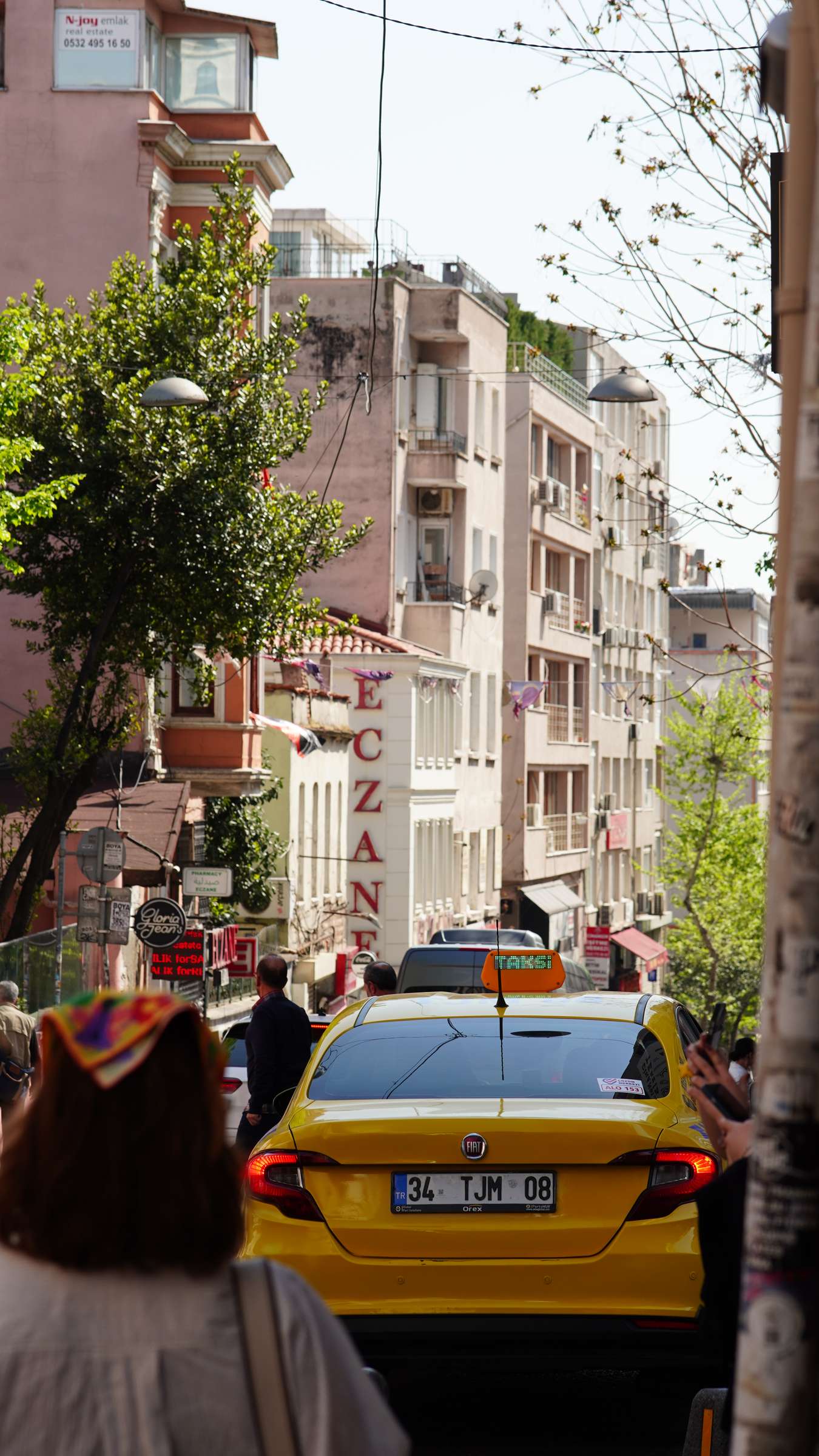
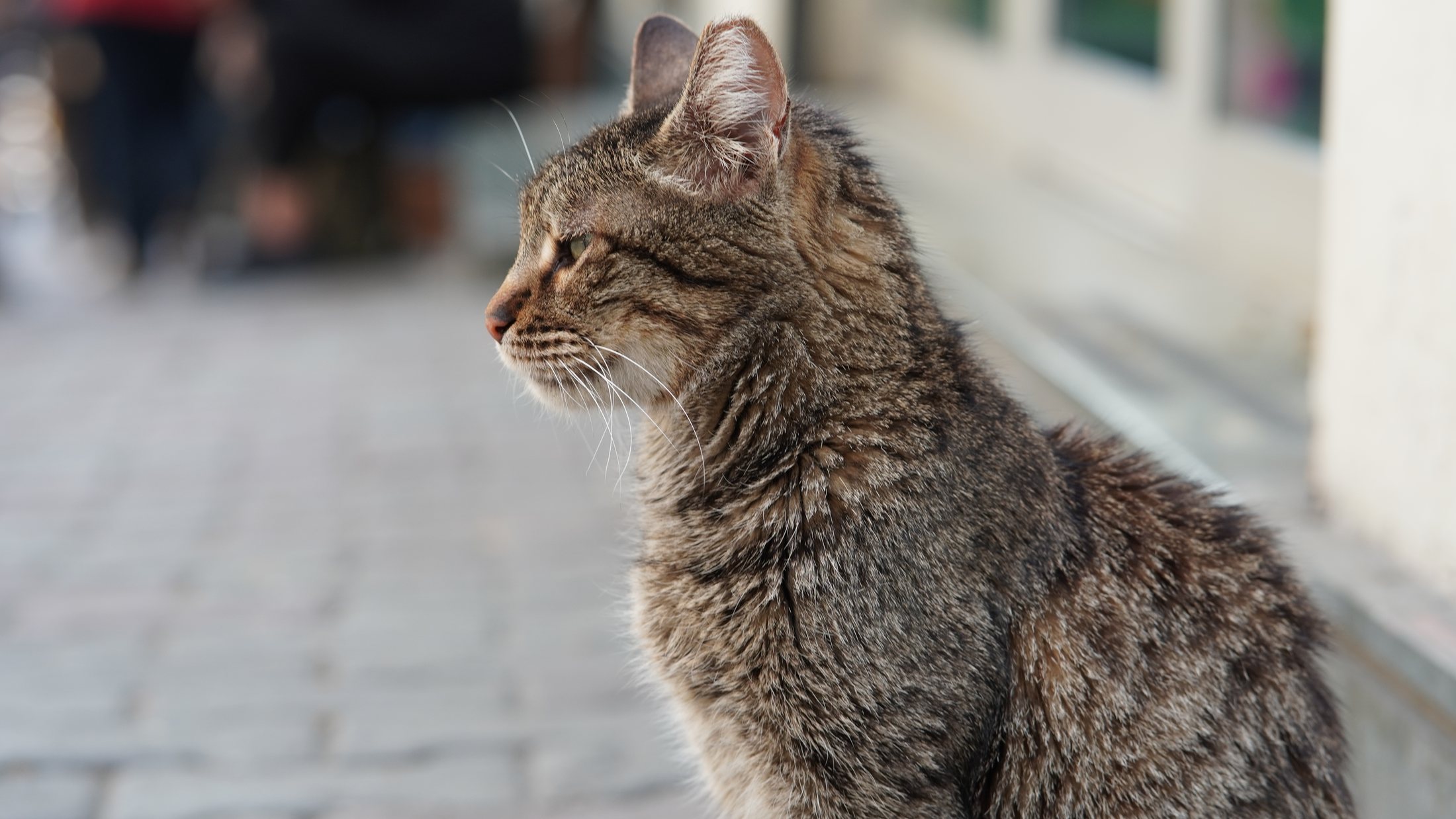
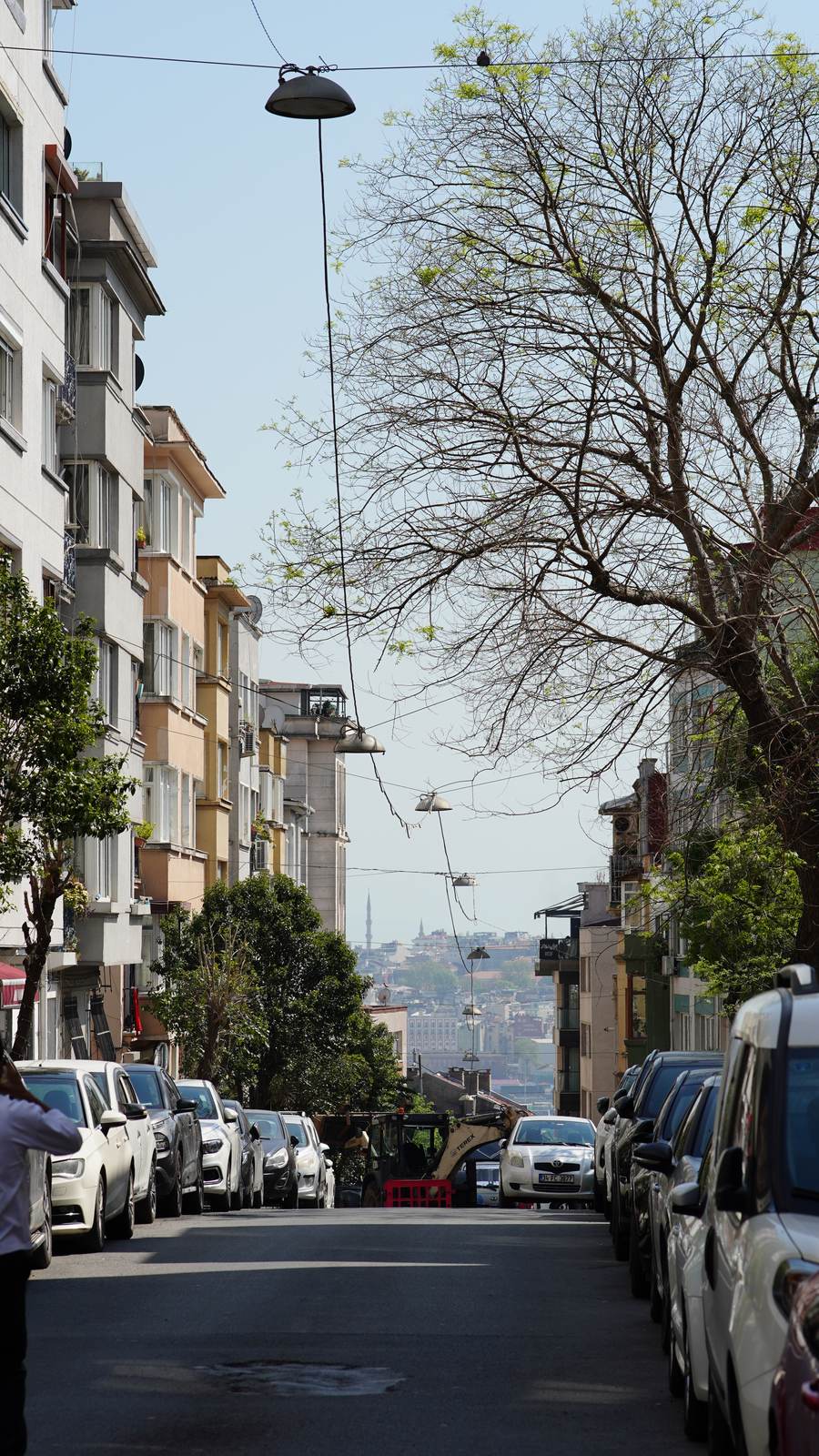
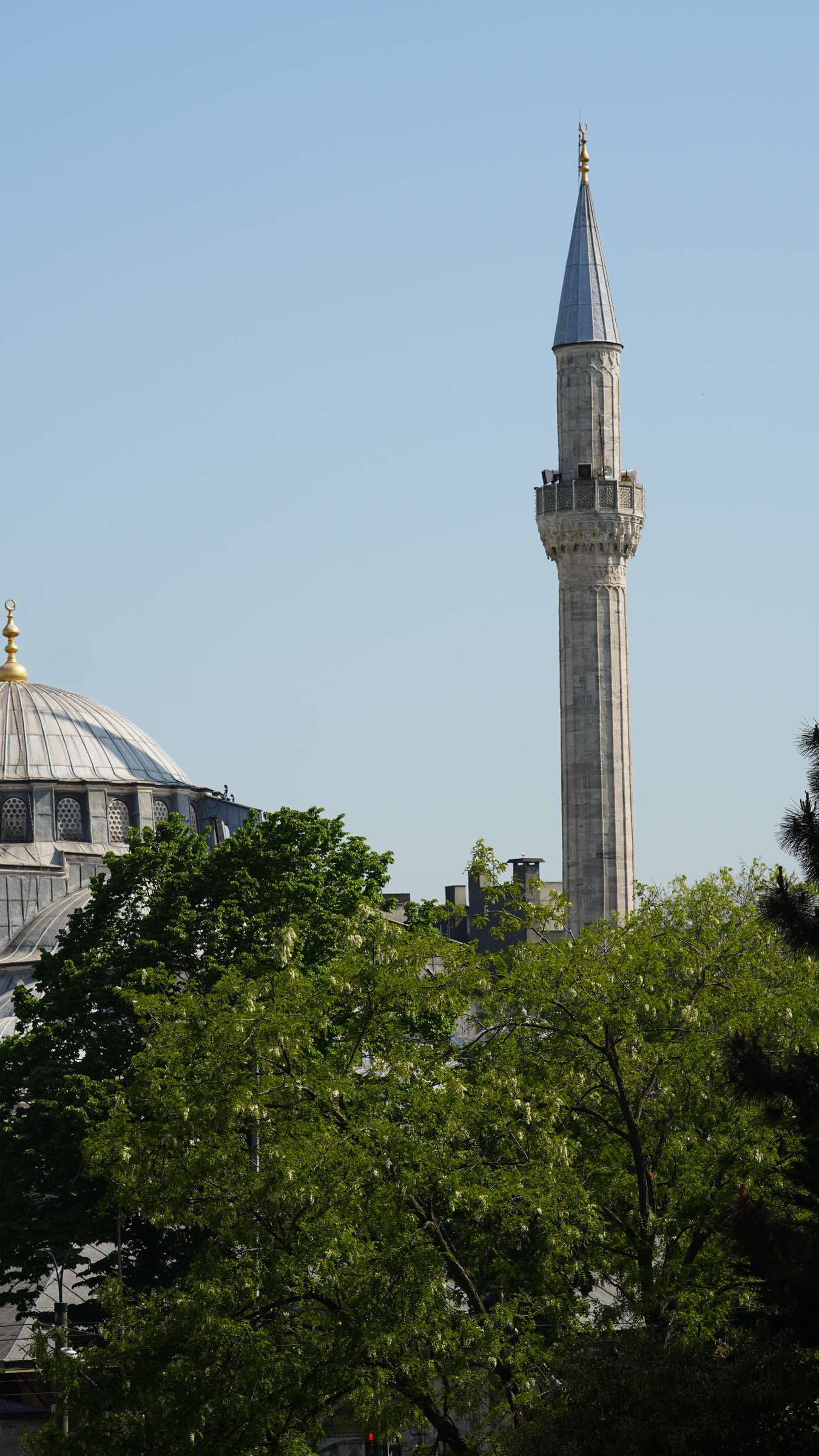
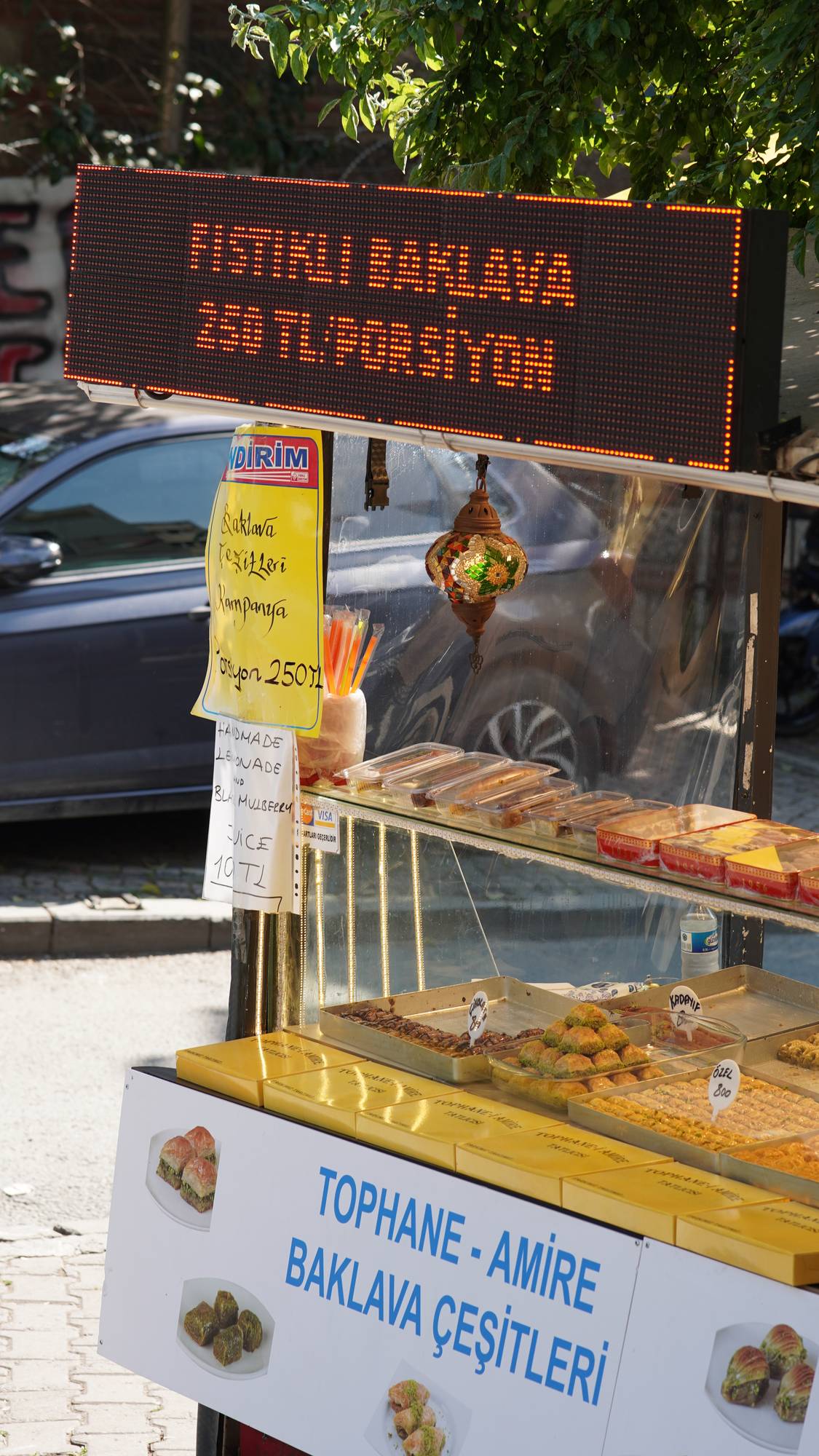
The first morning in Istanbul was all street-level discovery. Before the monuments, there were the small signs of daily life: a taxi tucked into a residential street, a pair of cats holding court, fruit and snack stands, and the long vertical line of a minaret rising past the trees.
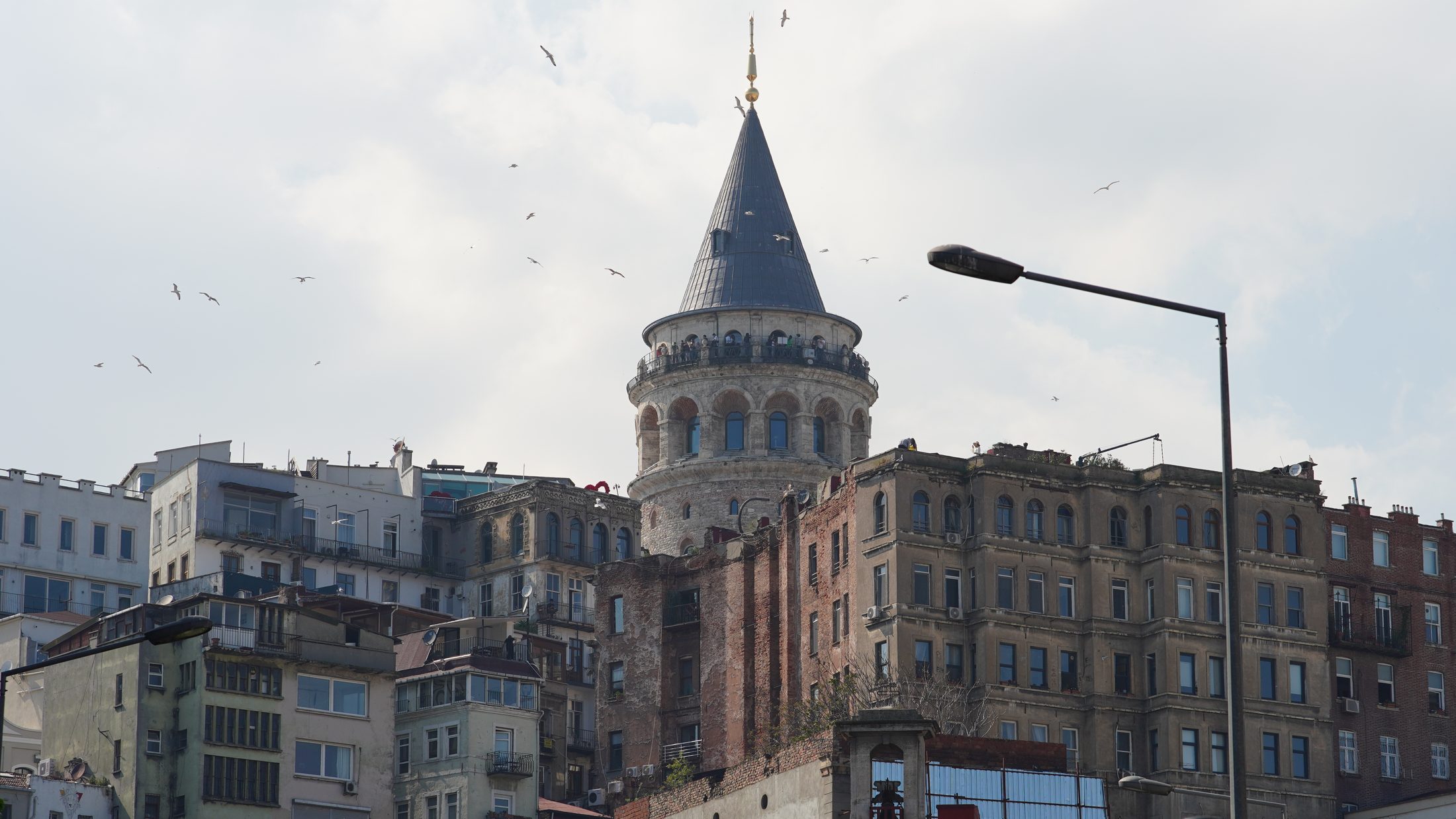
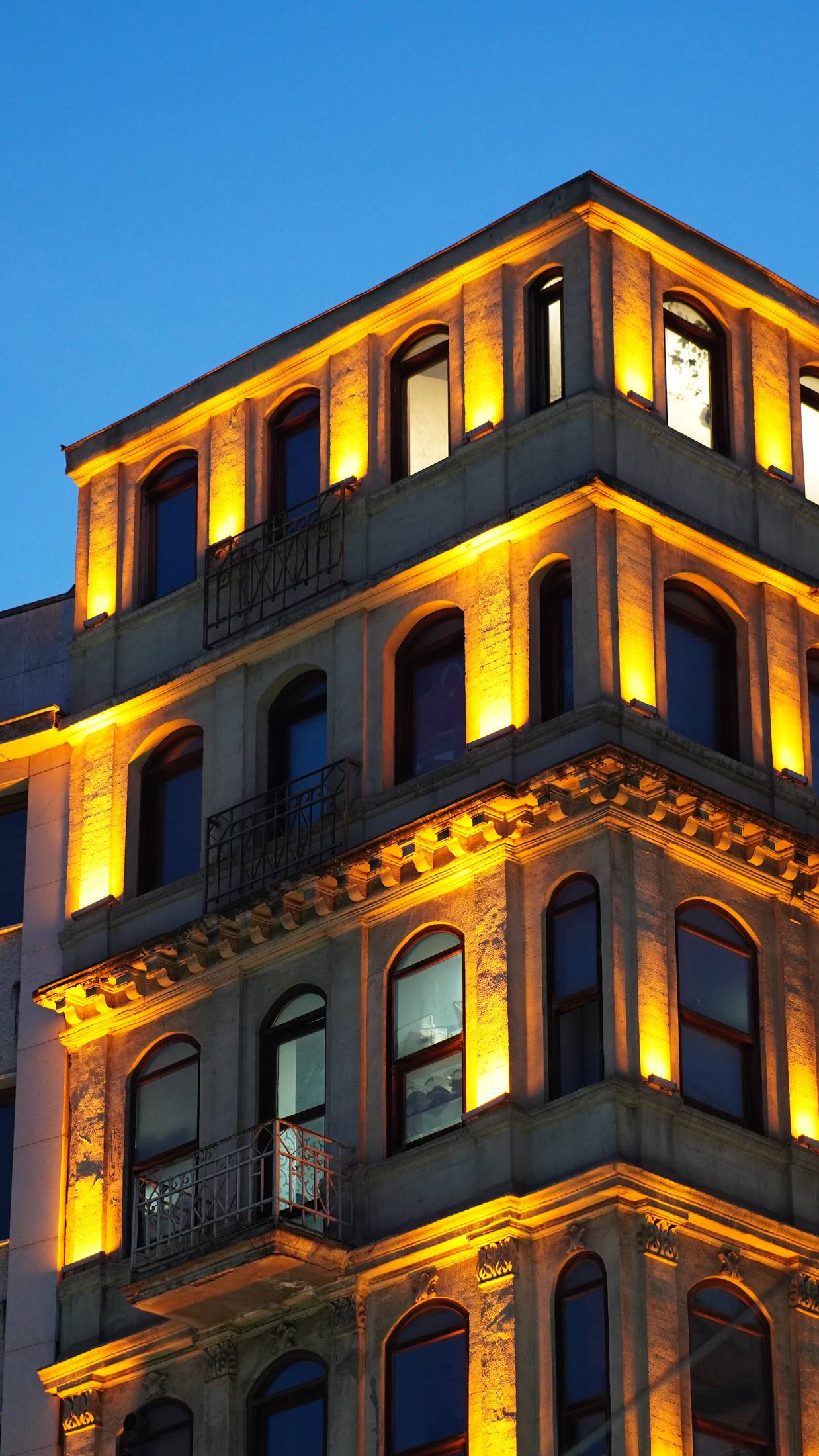
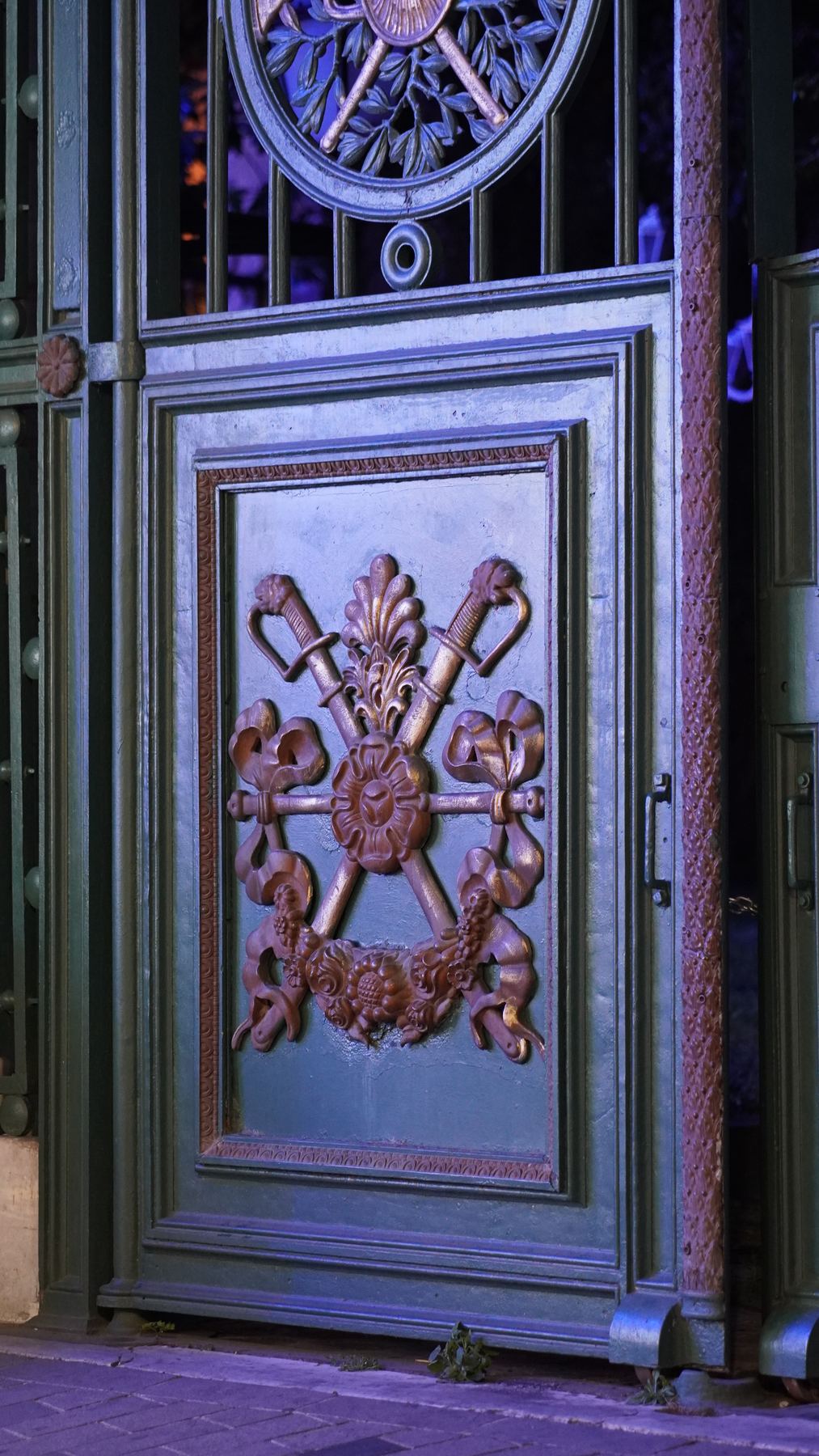
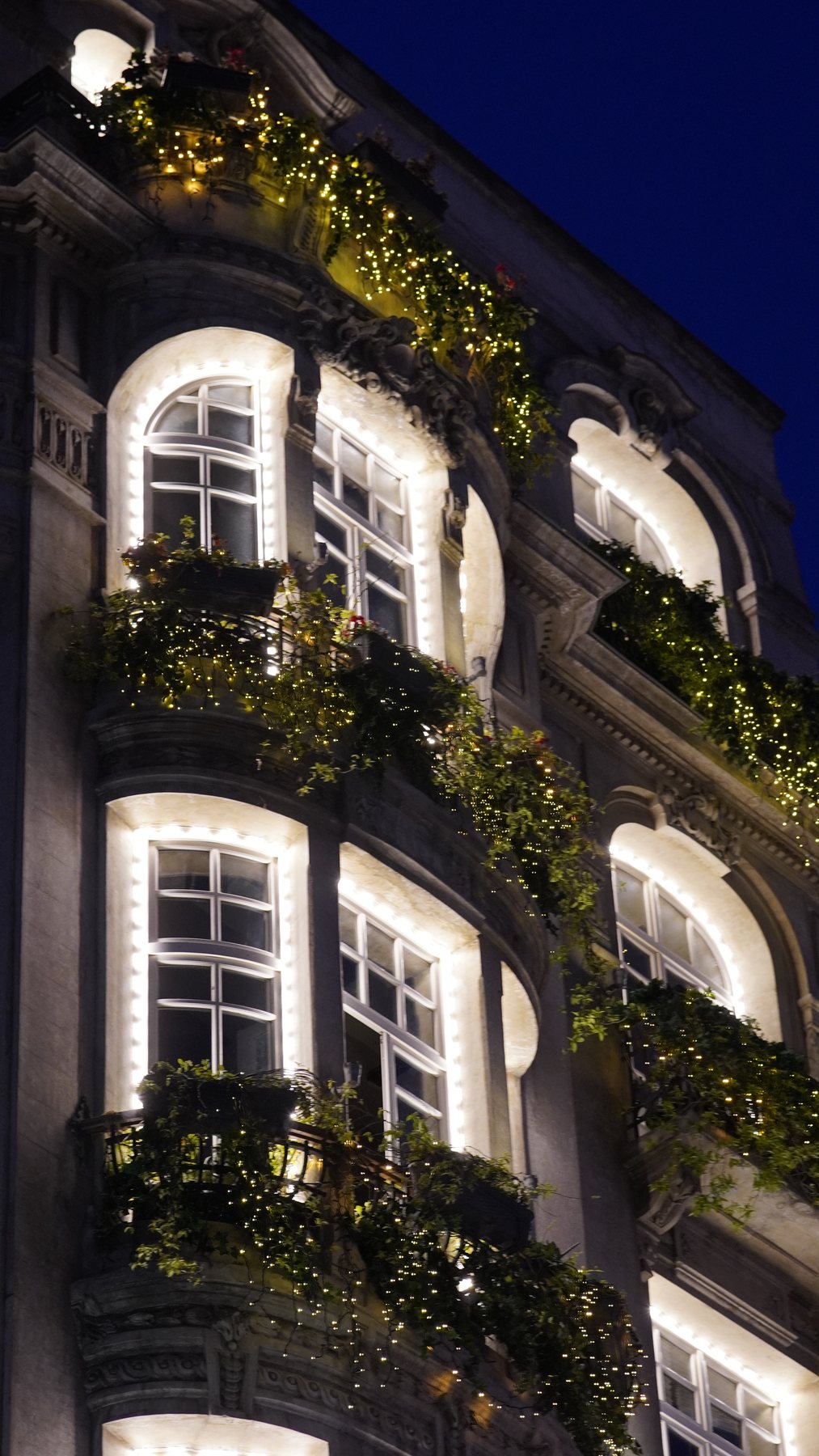
By late afternoon and evening, the mood shifted upward. Galata Tower stood under a sky crossed with birds, buildings began to glow gold, and decorative doors and lit facades gave the city a more theatrical nighttime face.

Rome, Italy
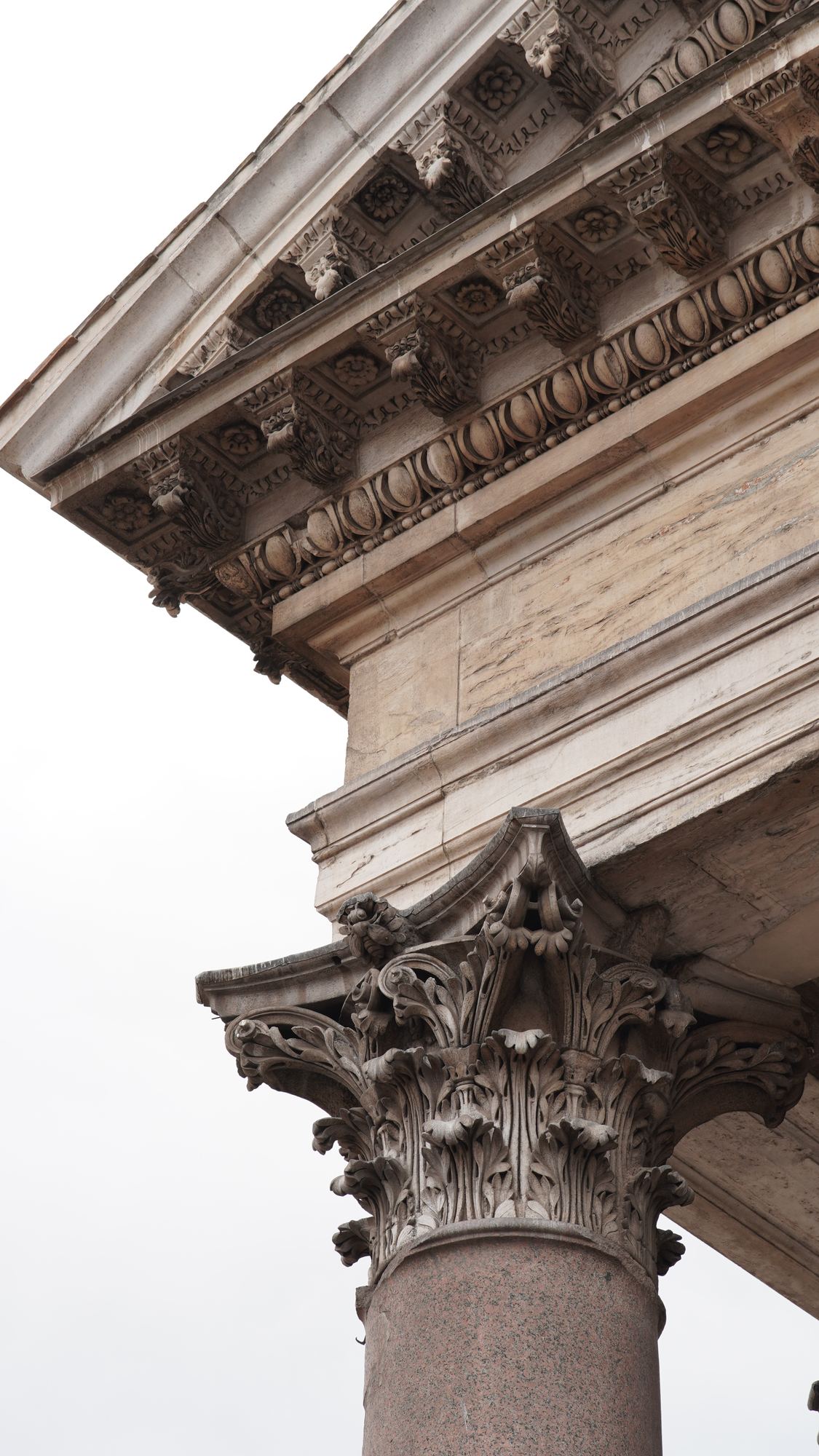
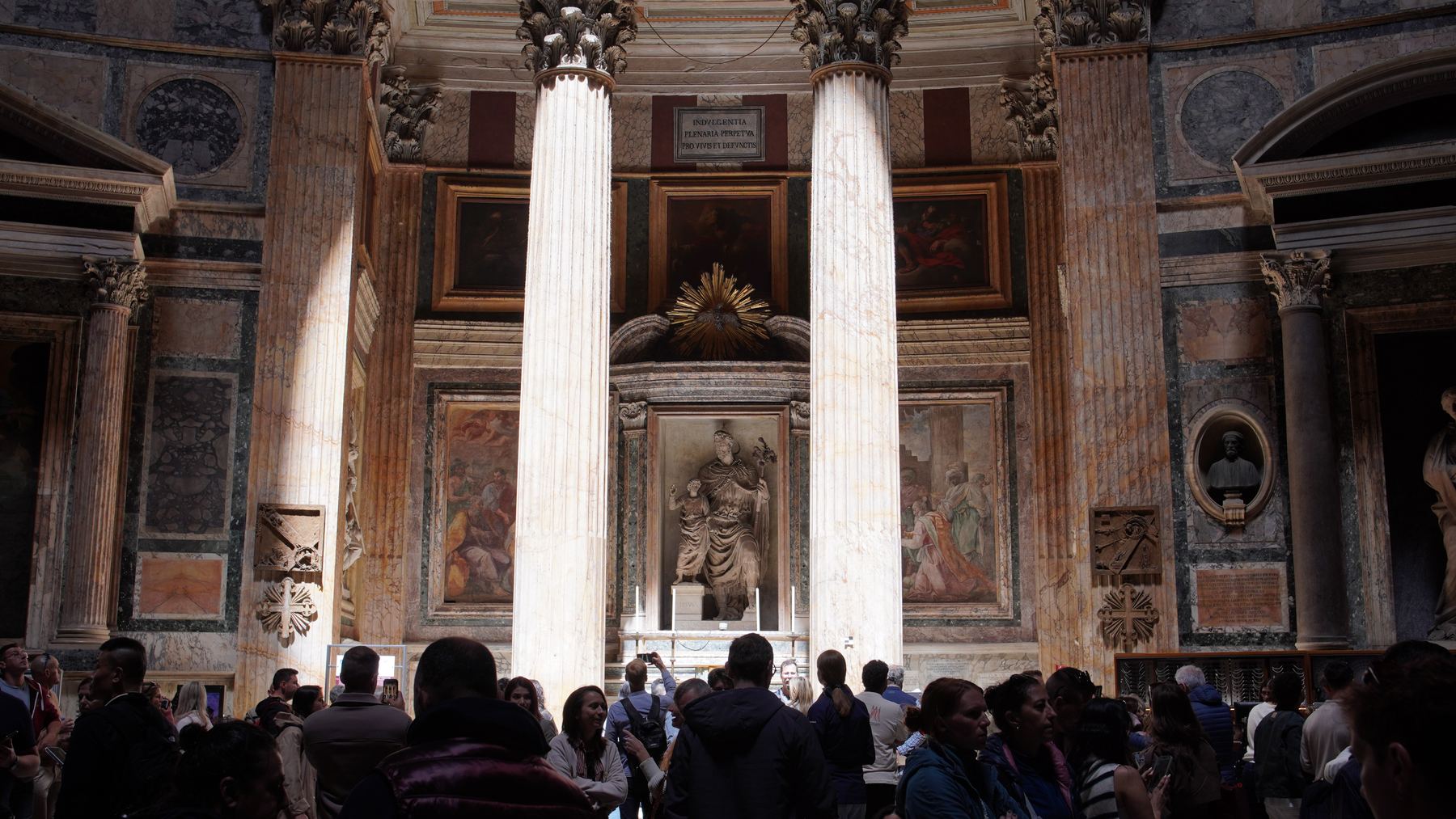
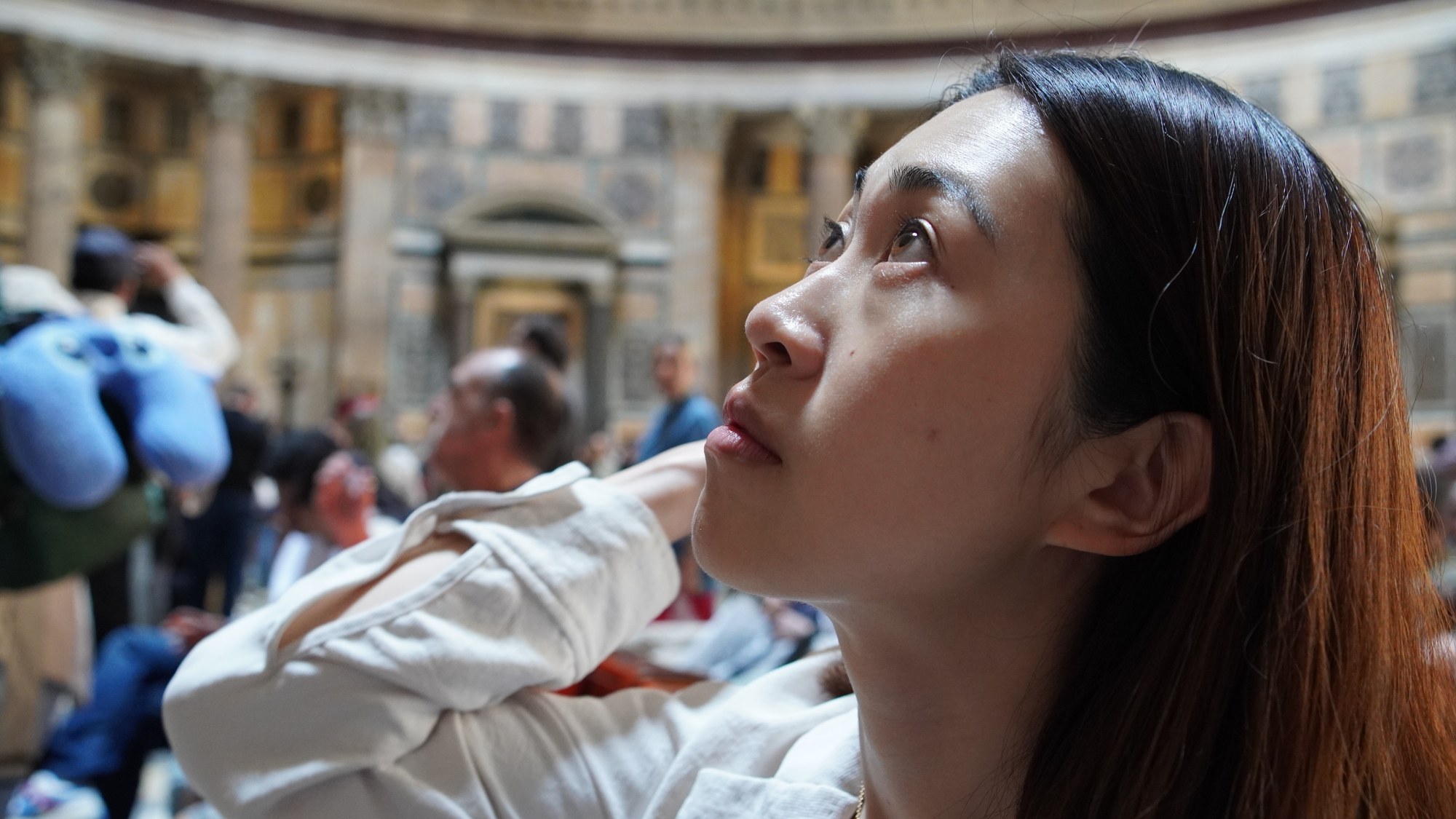
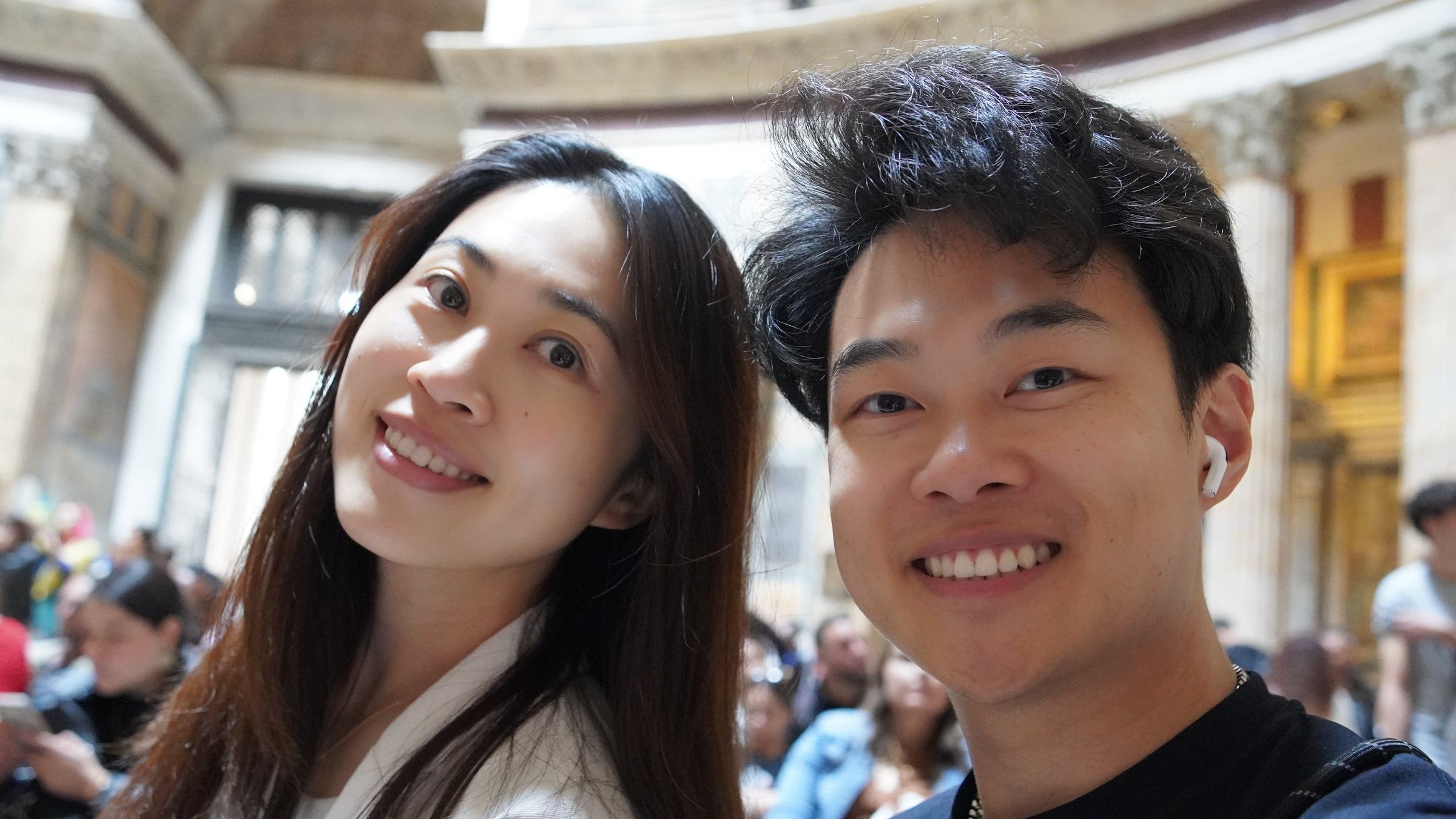
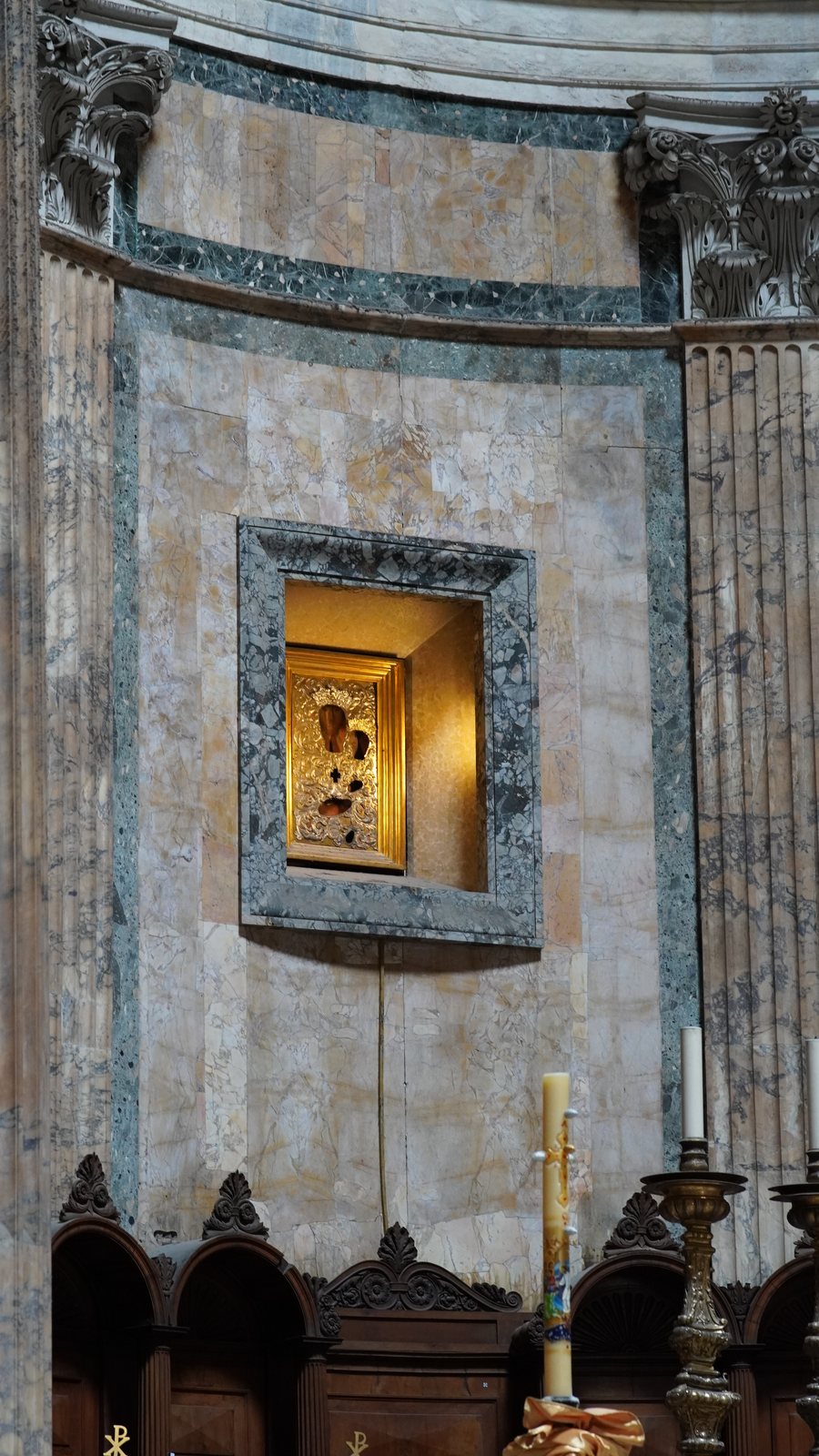
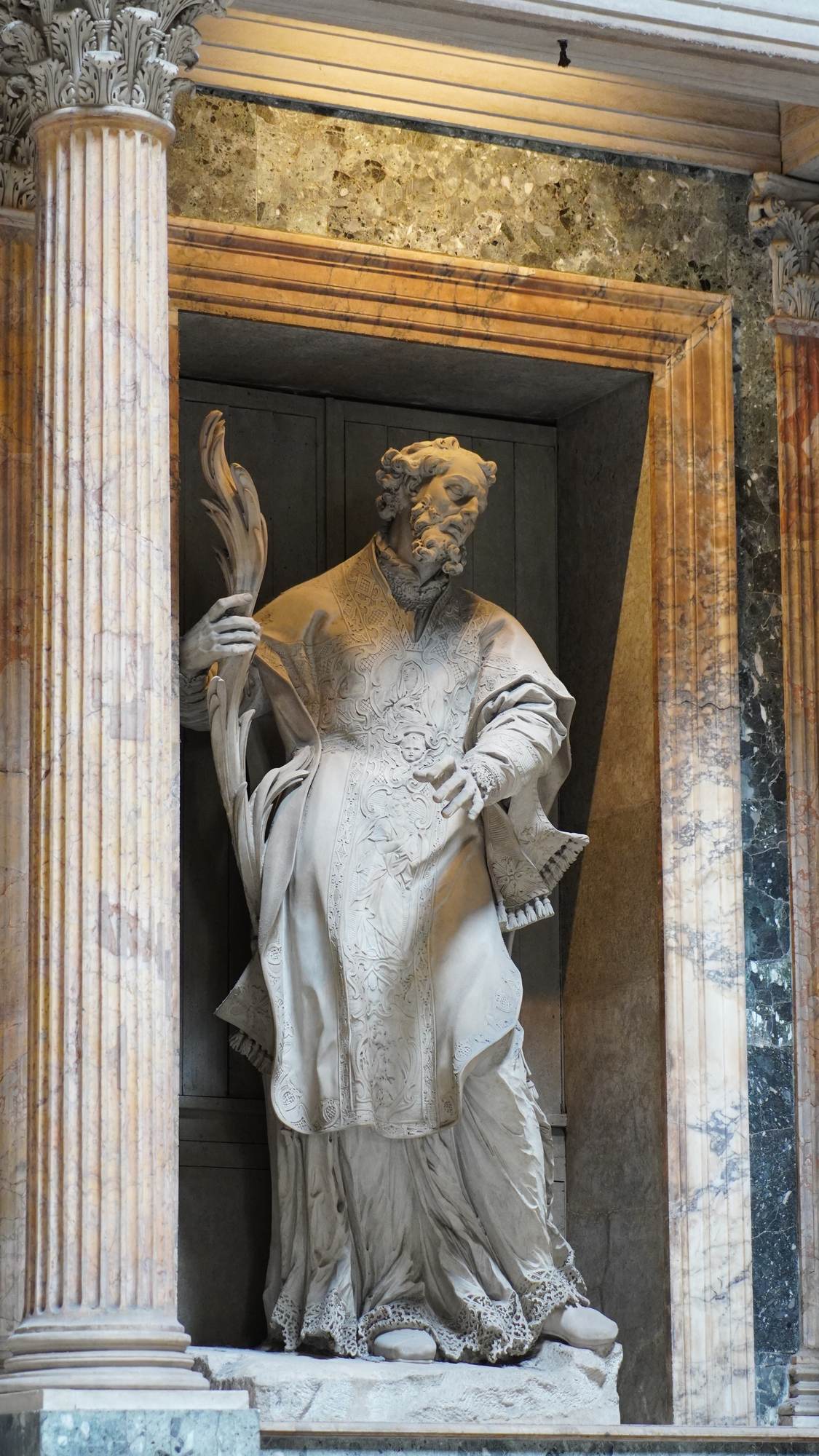
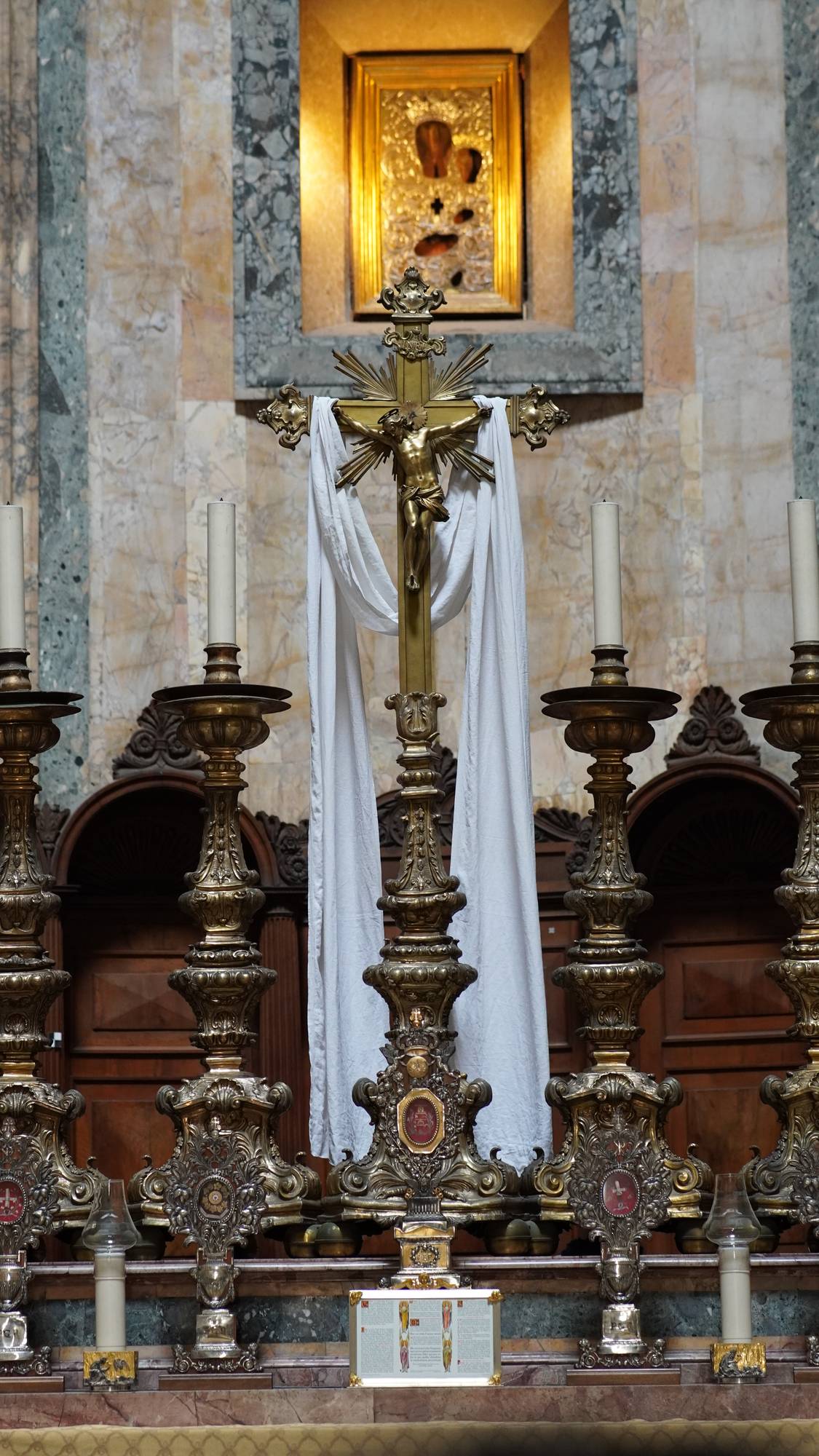
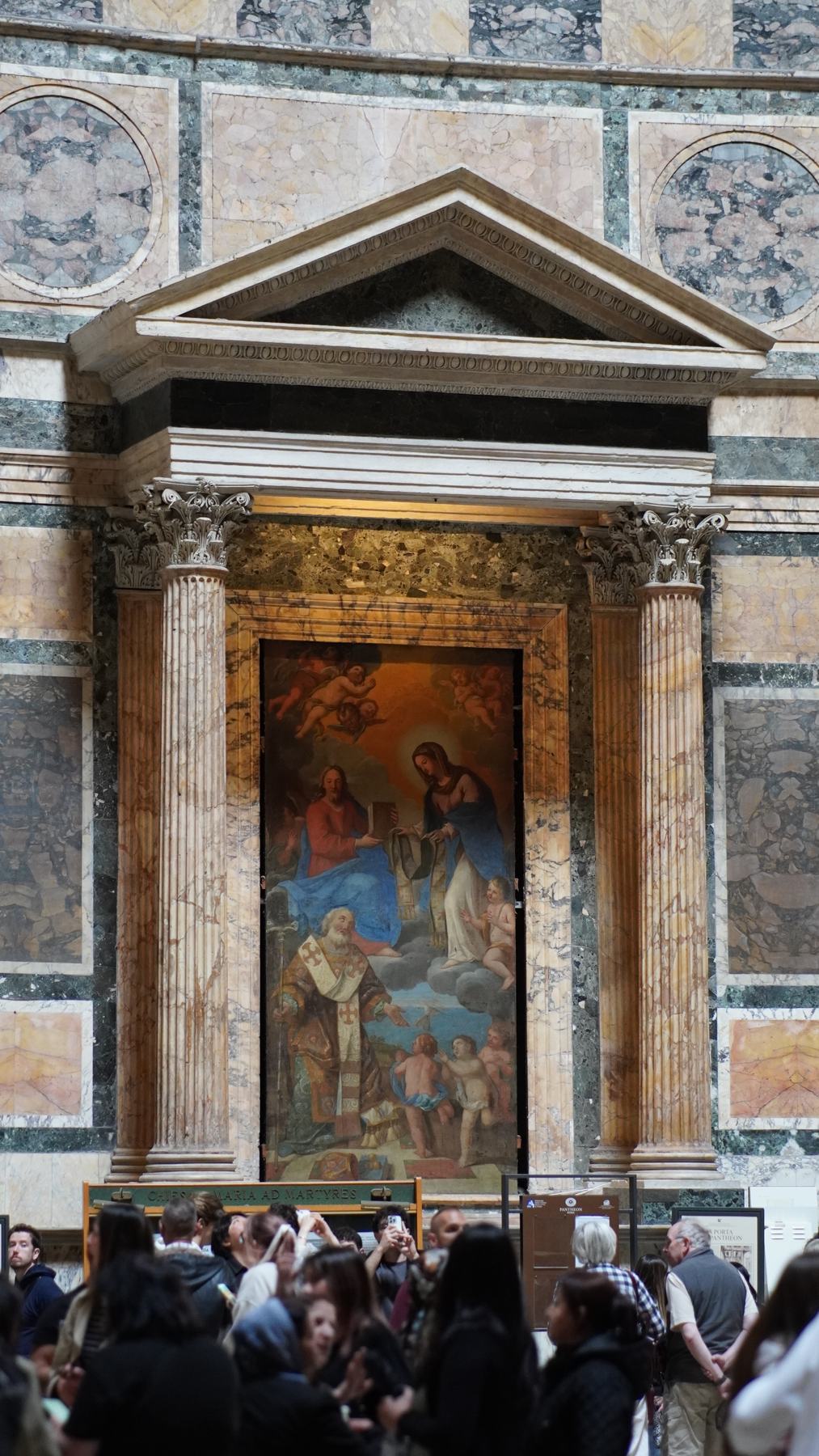
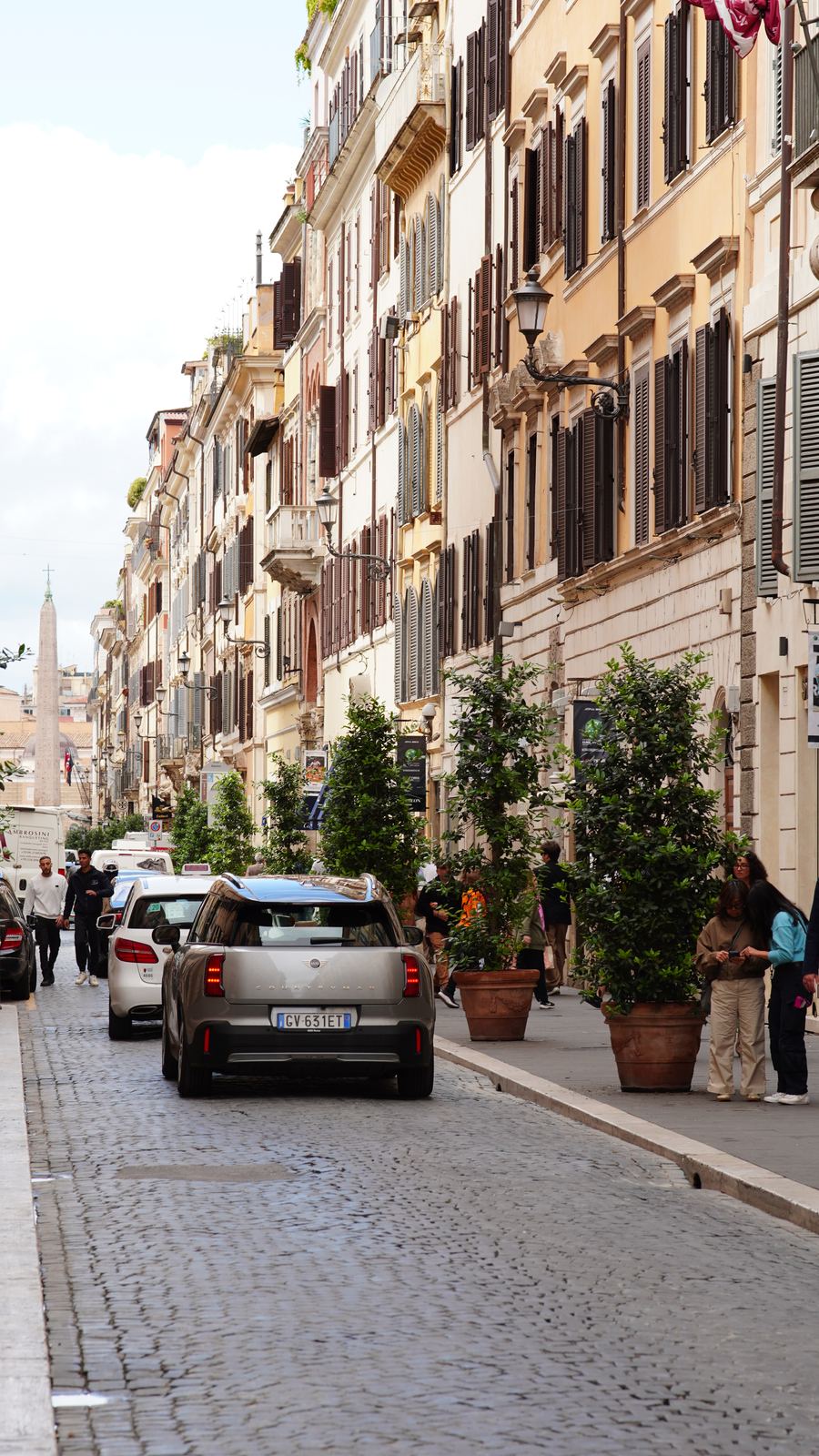
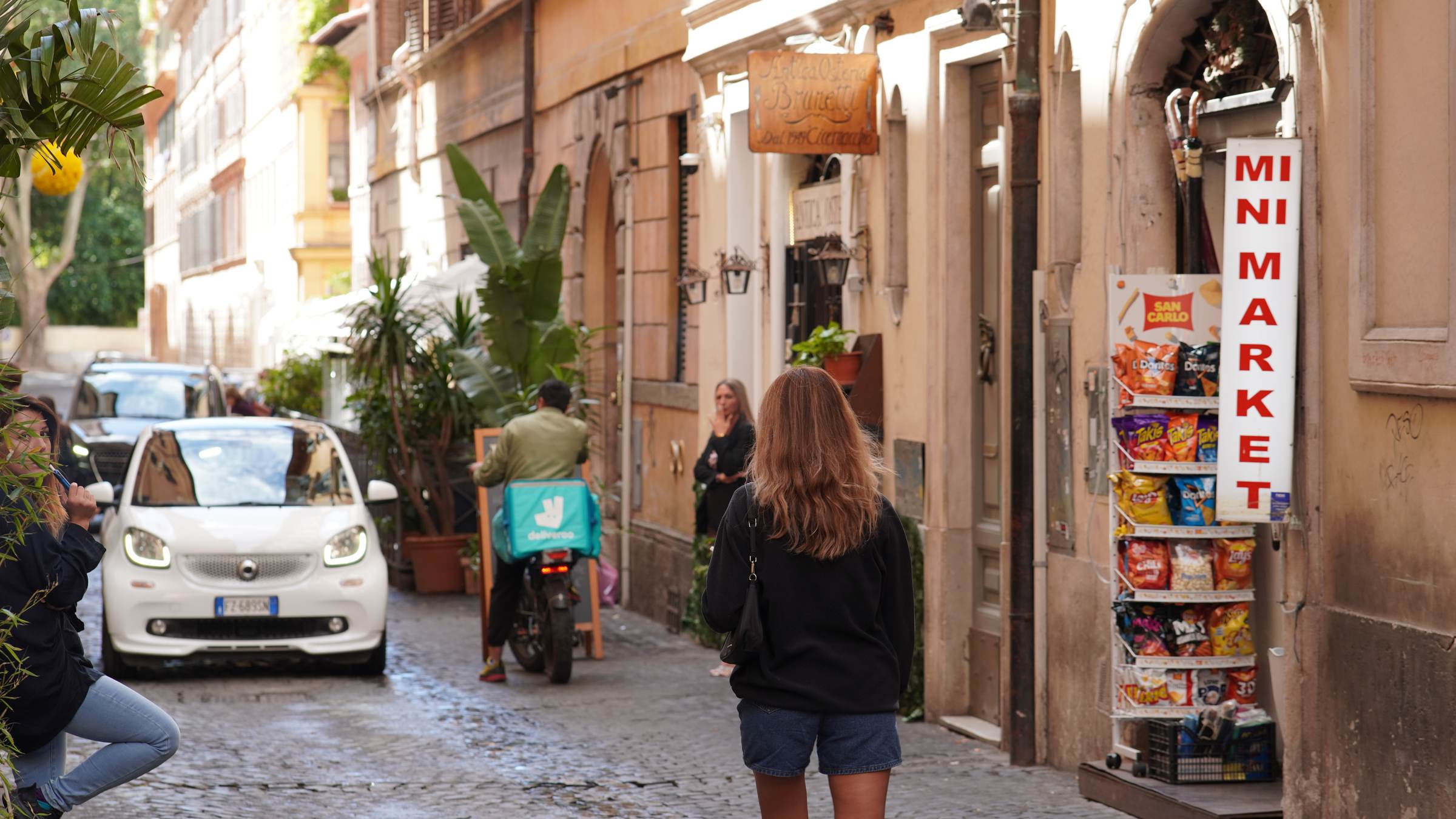
Rome began indoors, in the hush and density of the Pantheon. The early photos linger on columns, niches, statues, and the warm gravity of old stone. There is a nice human scale in the sequence too: looking up at the architecture, smiling inside the crowd, then stepping back out into narrow streets.
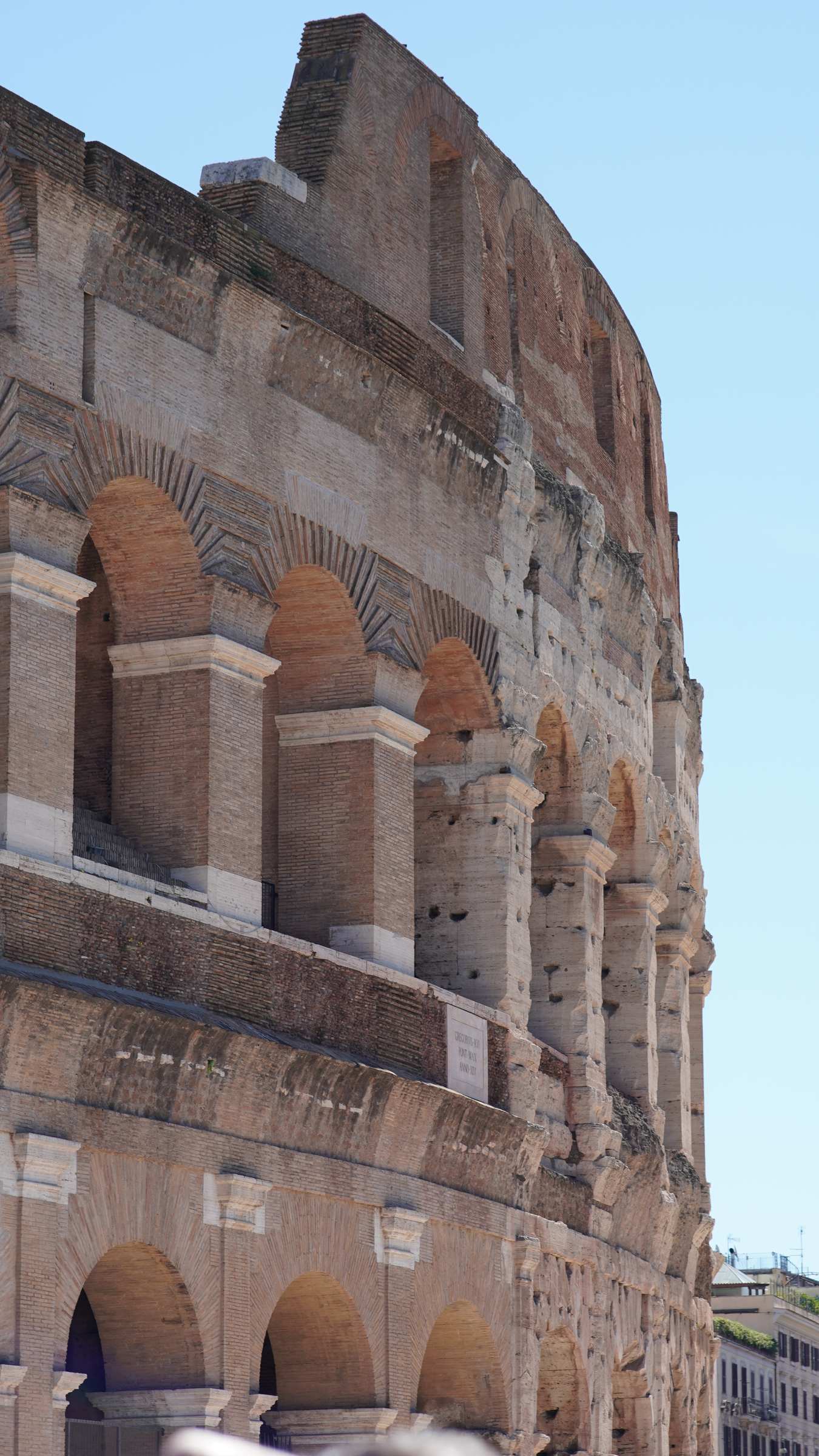
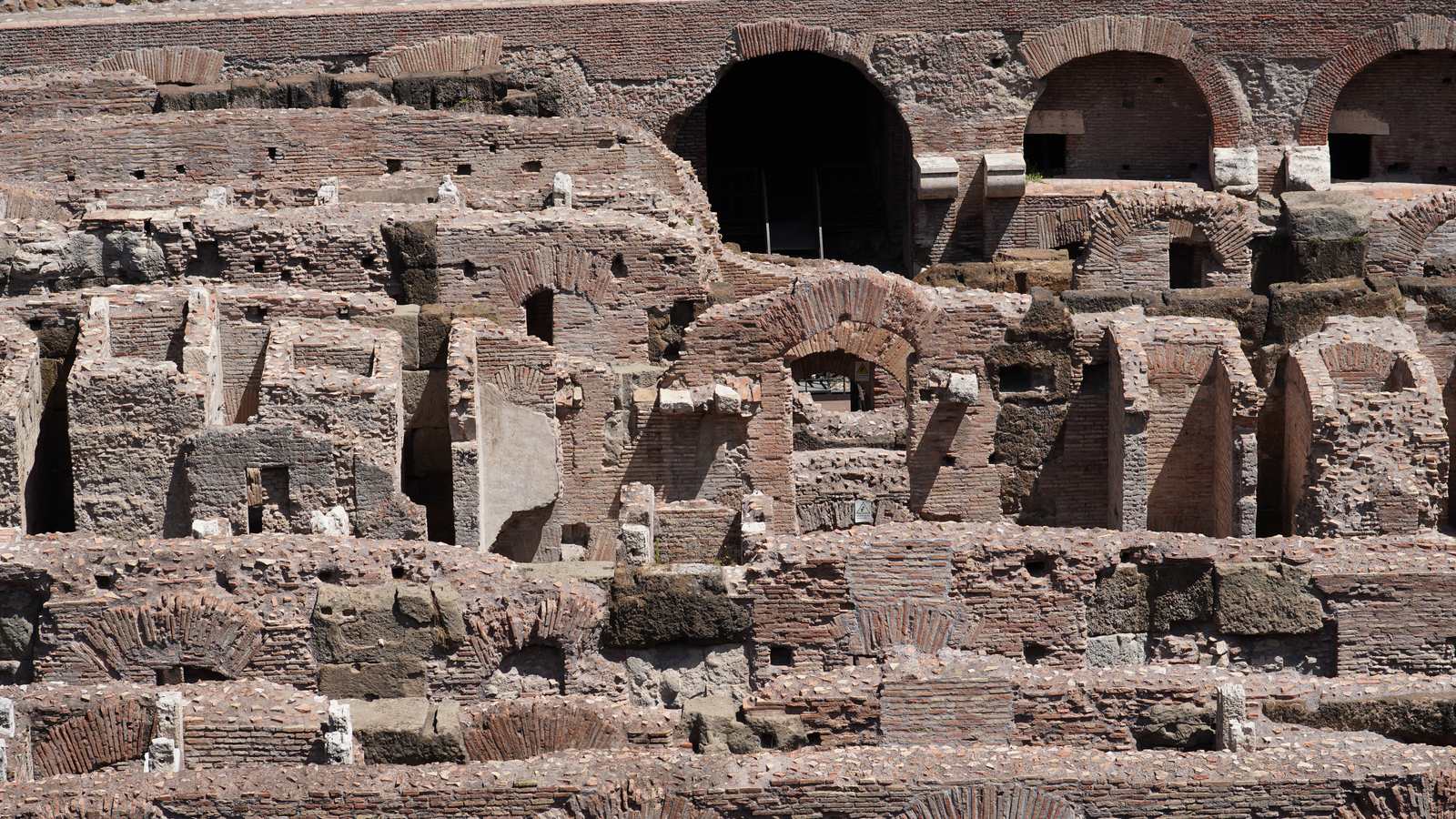
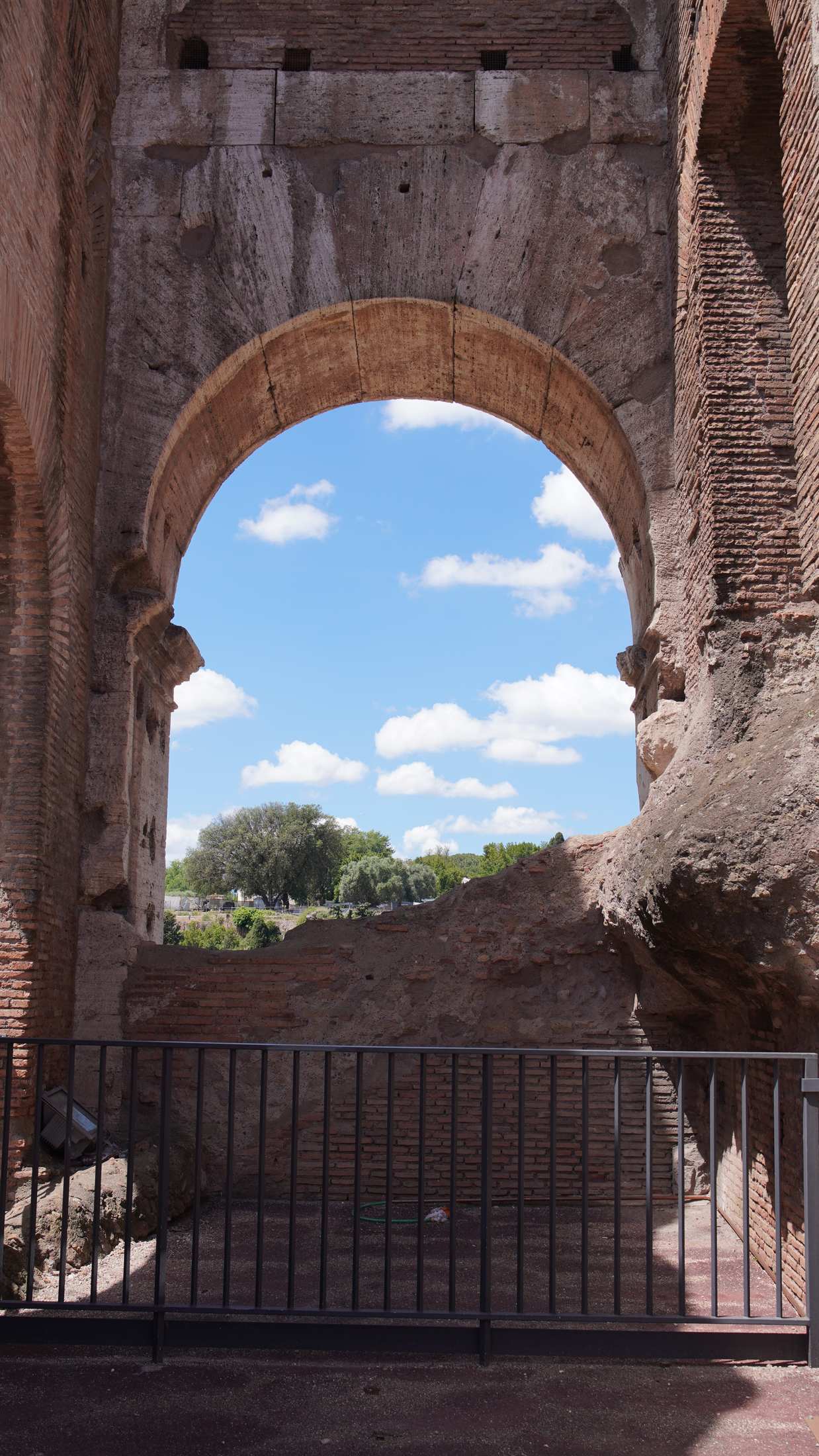
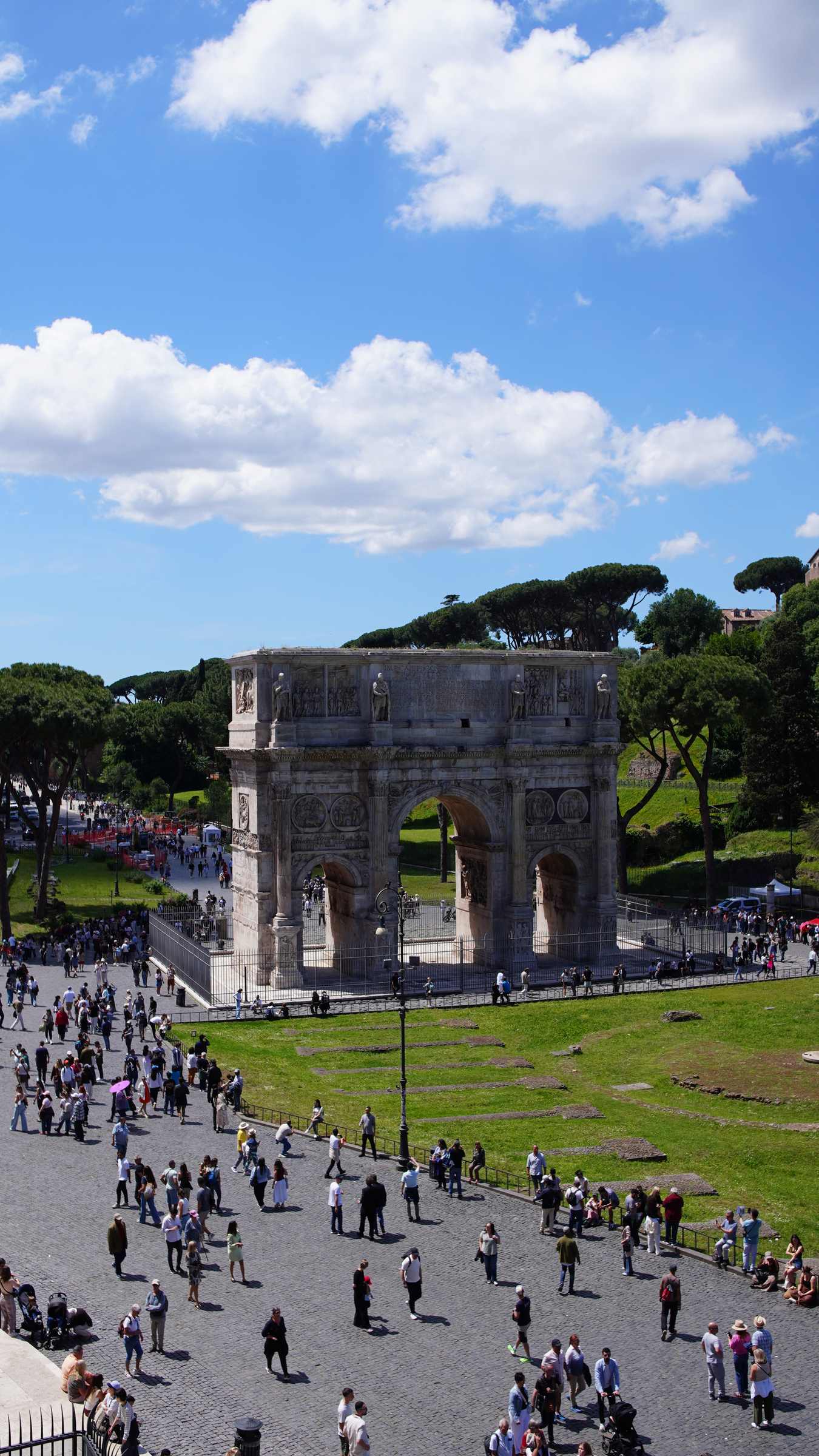
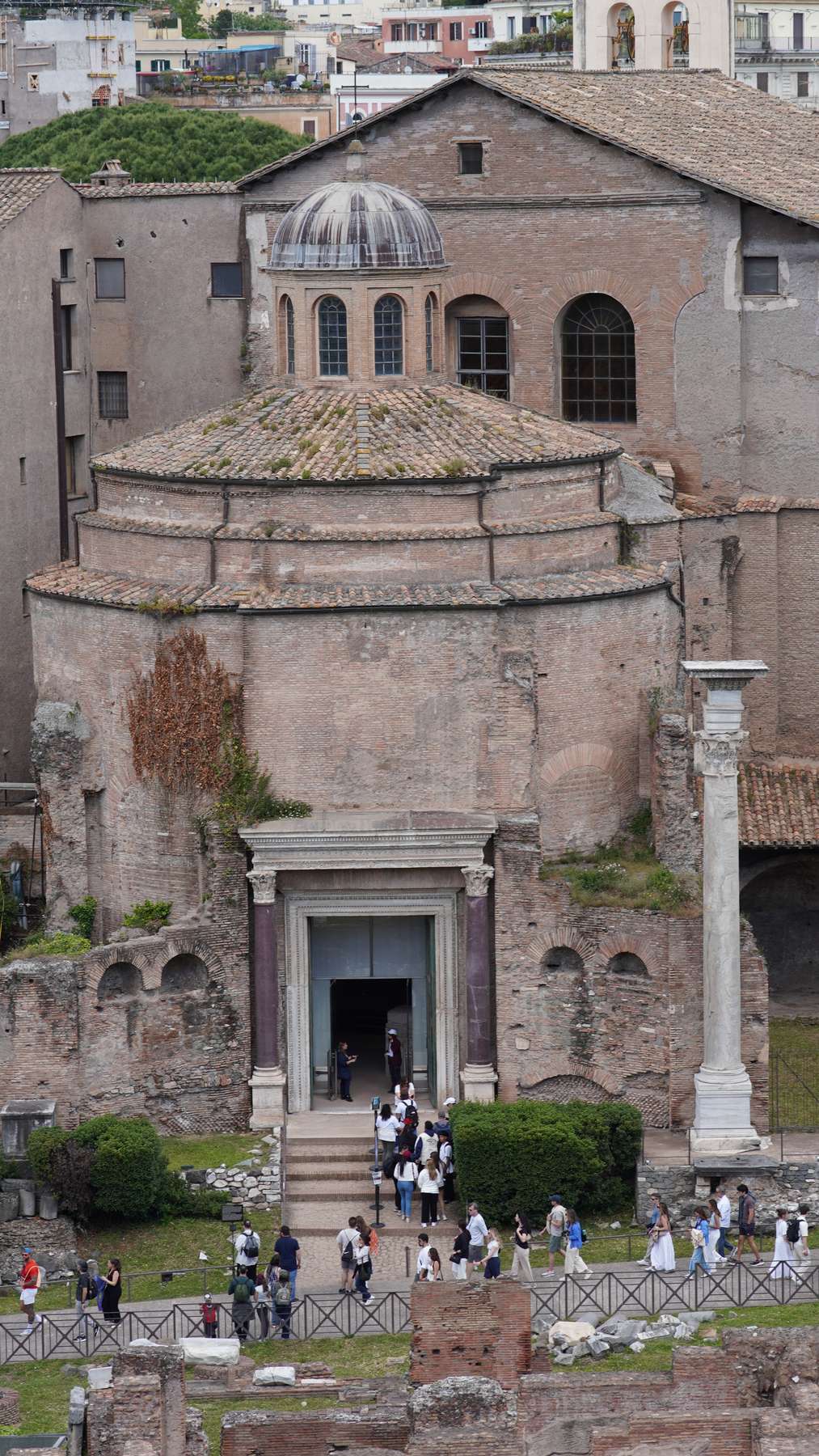
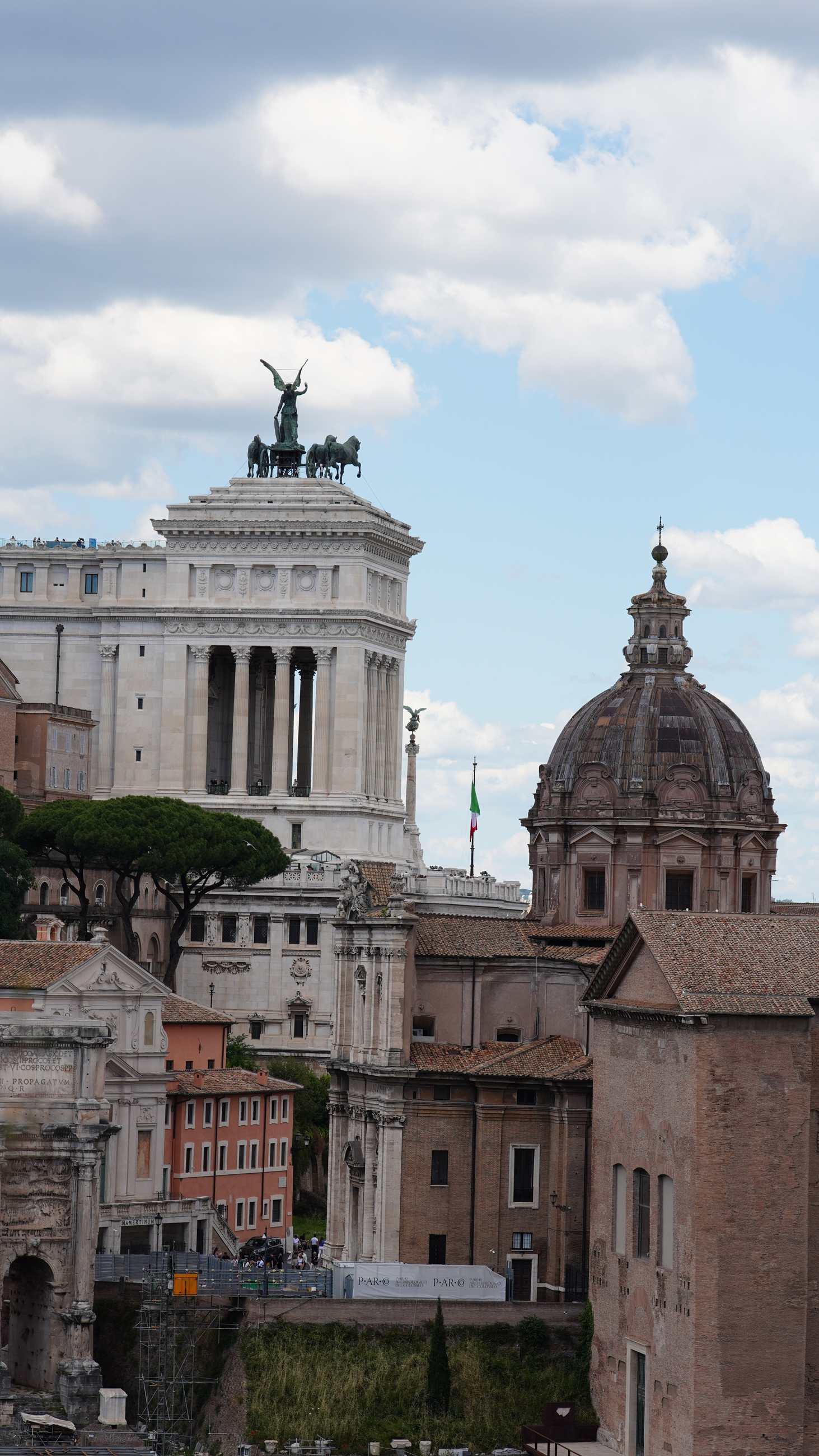
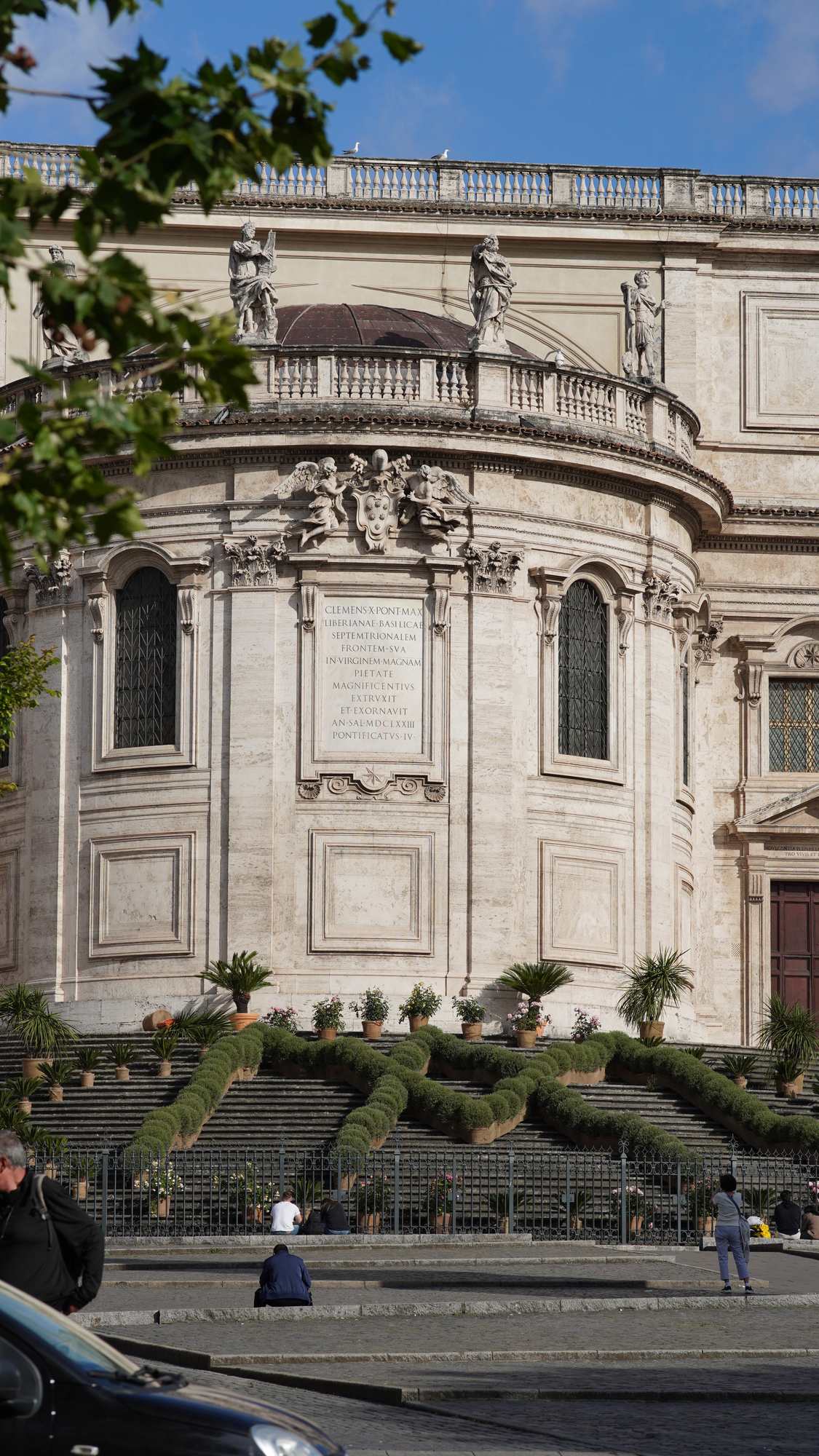
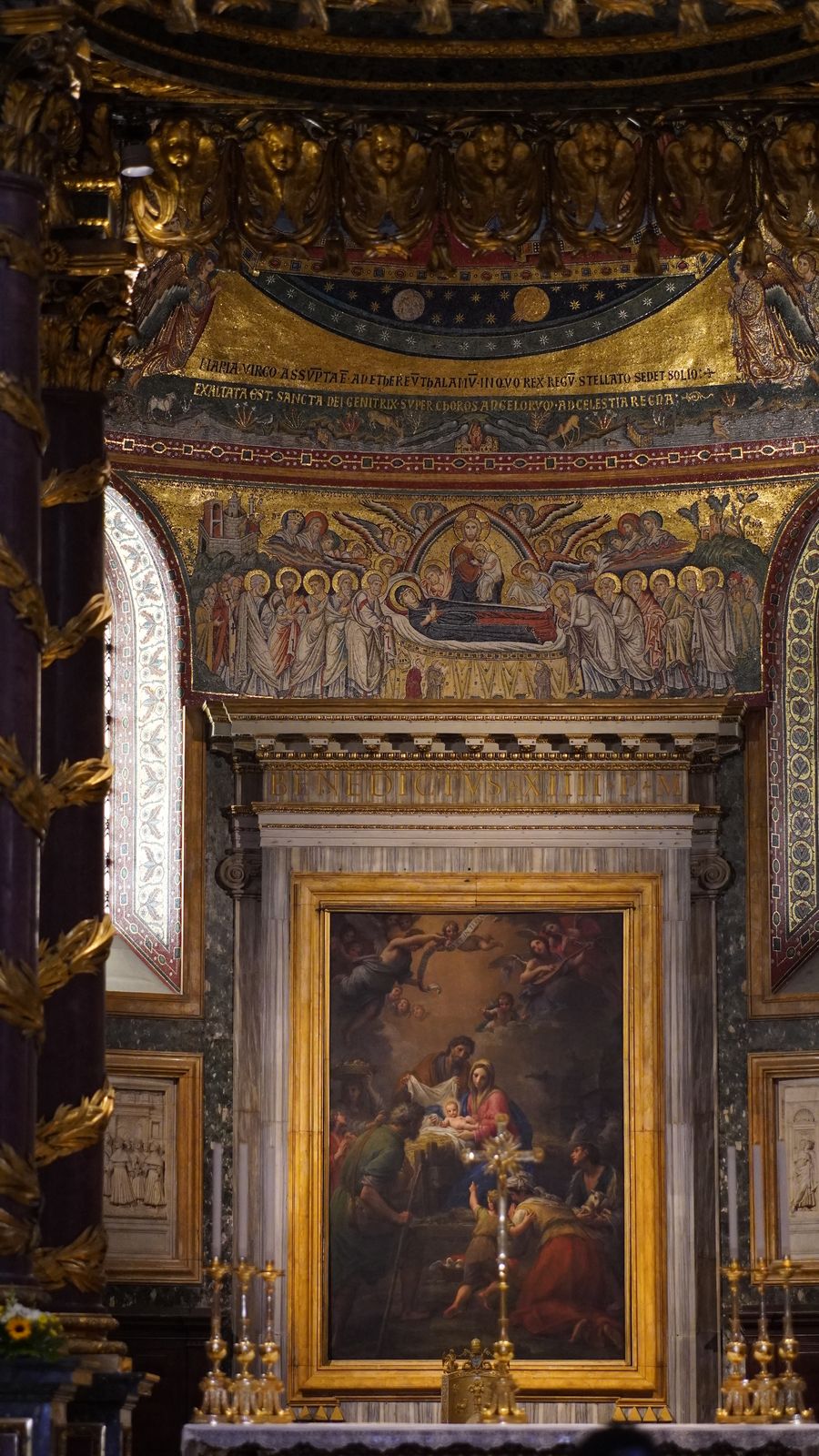
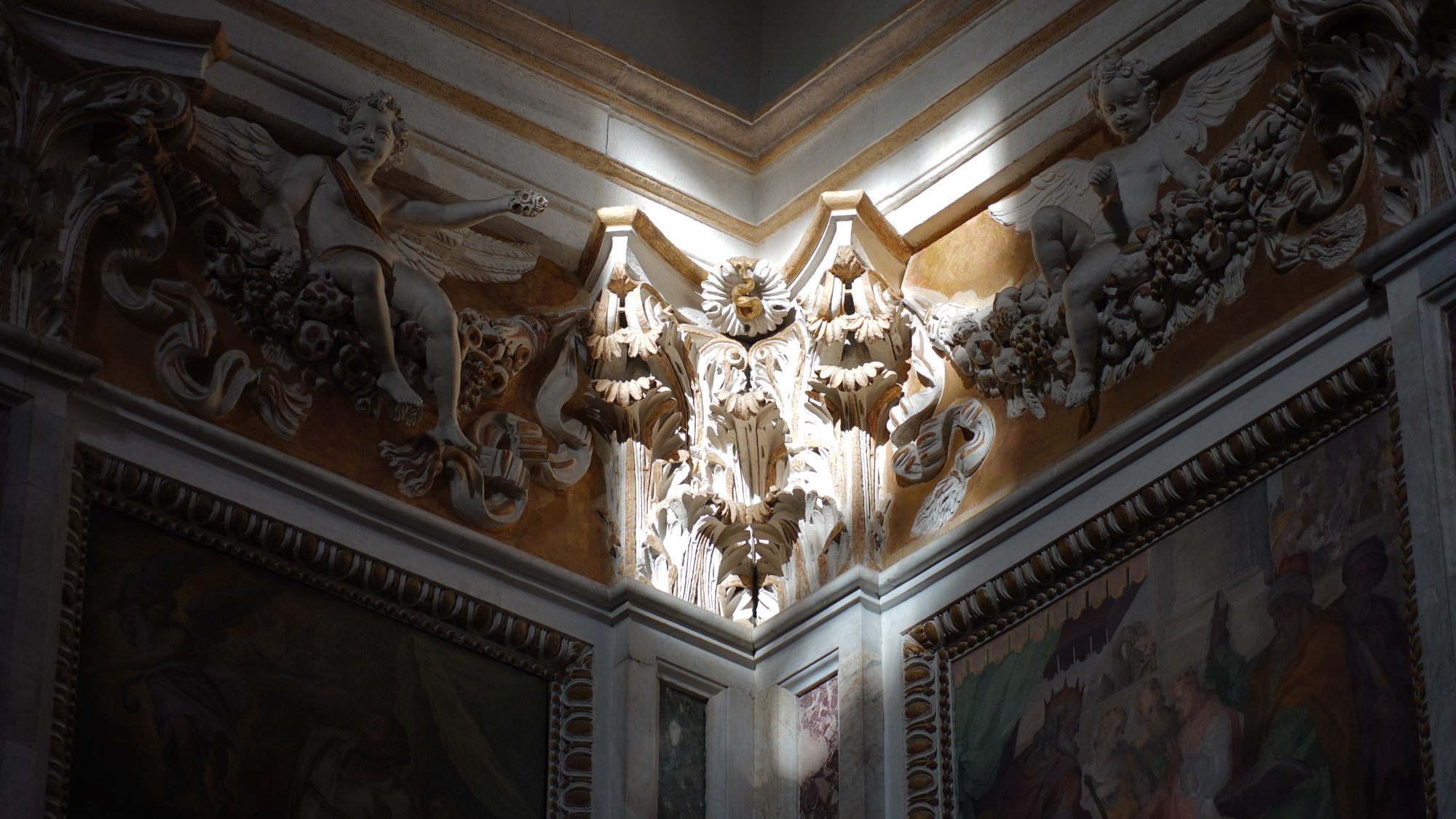
The next day widened the frame. The Colosseum appears first as a curved wall from outside, then as broken tiers of seating, arches, and sunlight cutting through the ruins. The Rome chapter ends with gilded altars, paintings, and ceiling details glowing in a cooler, more reverent light.
Polignano a Mare
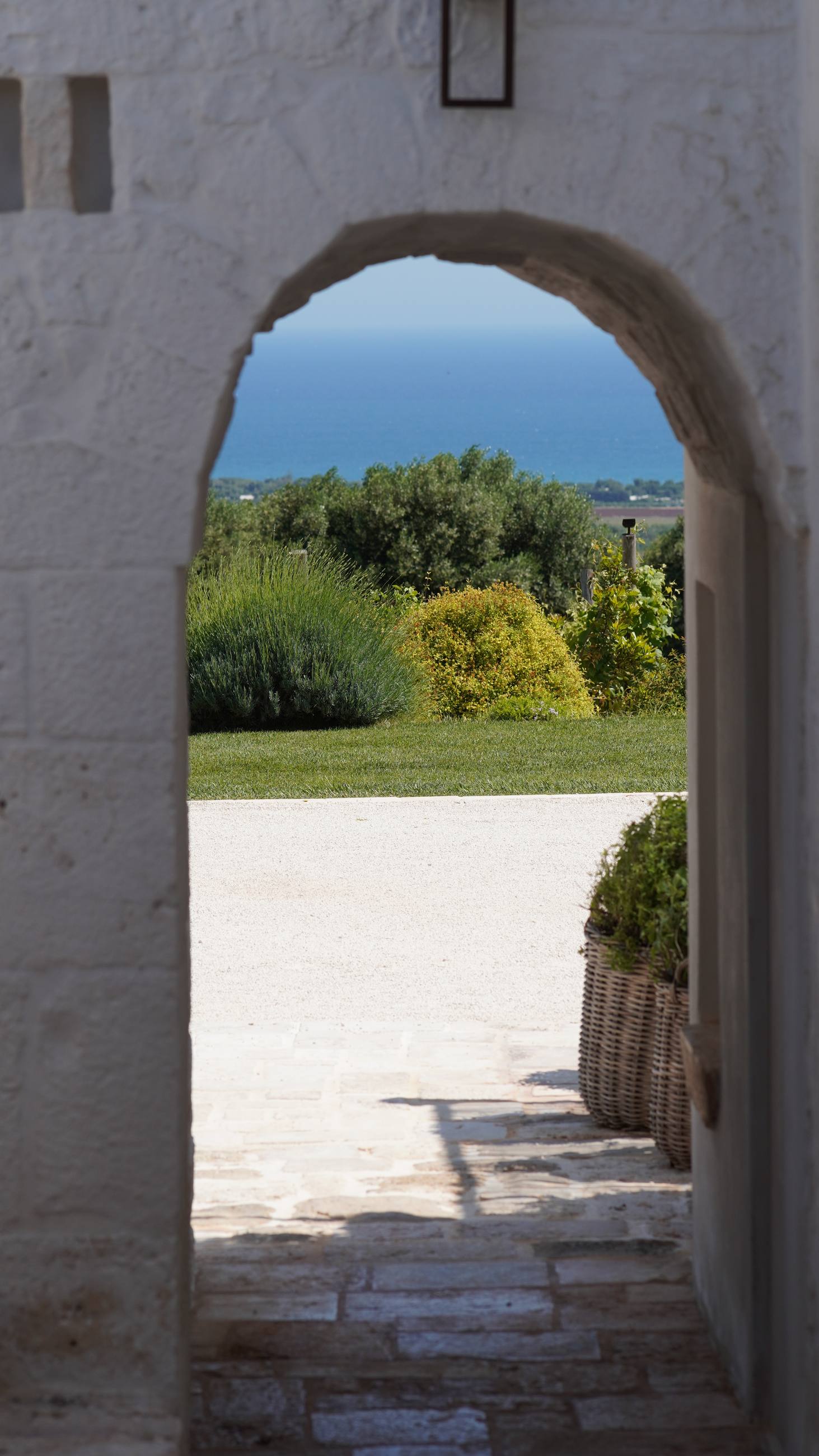
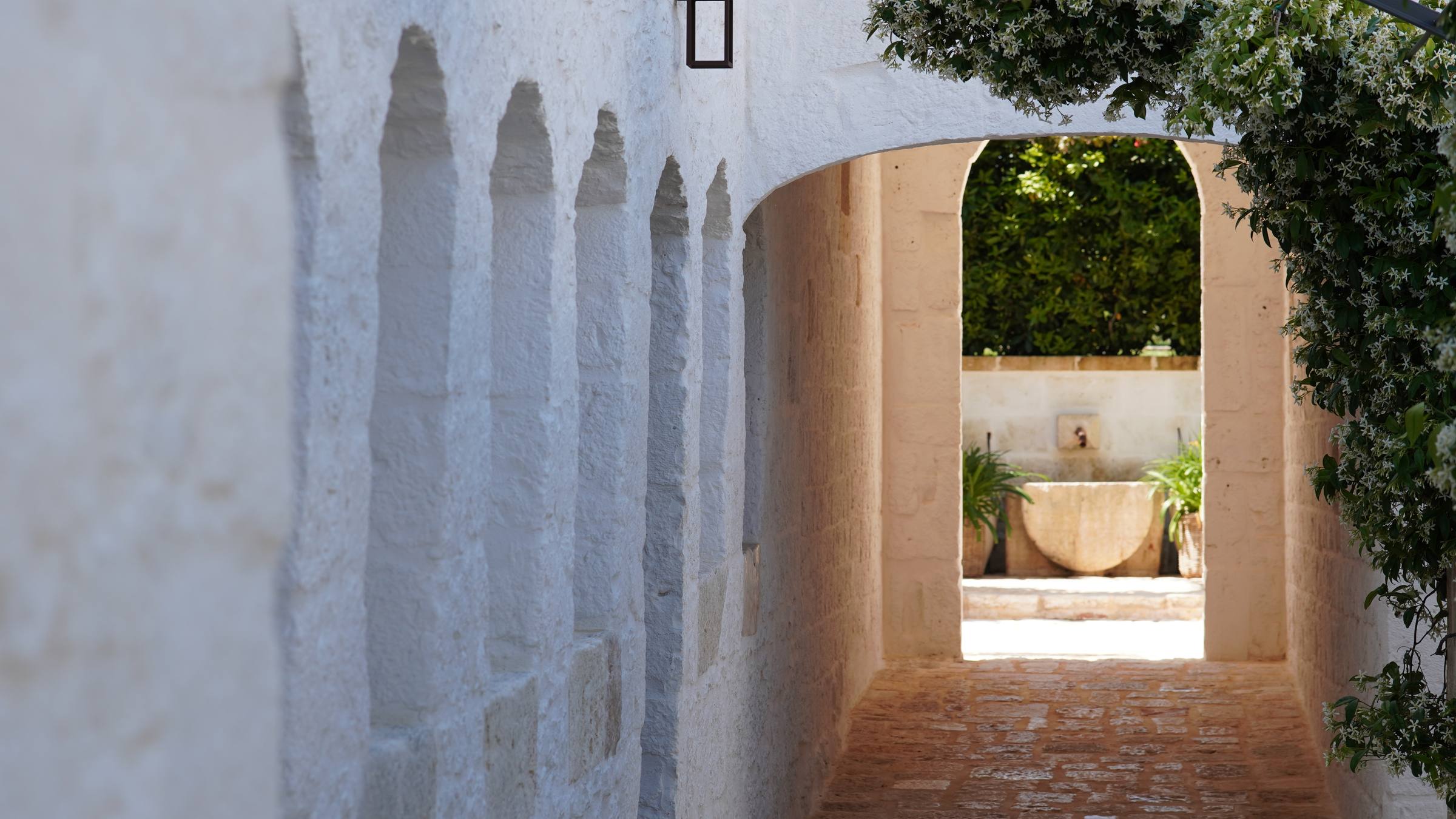
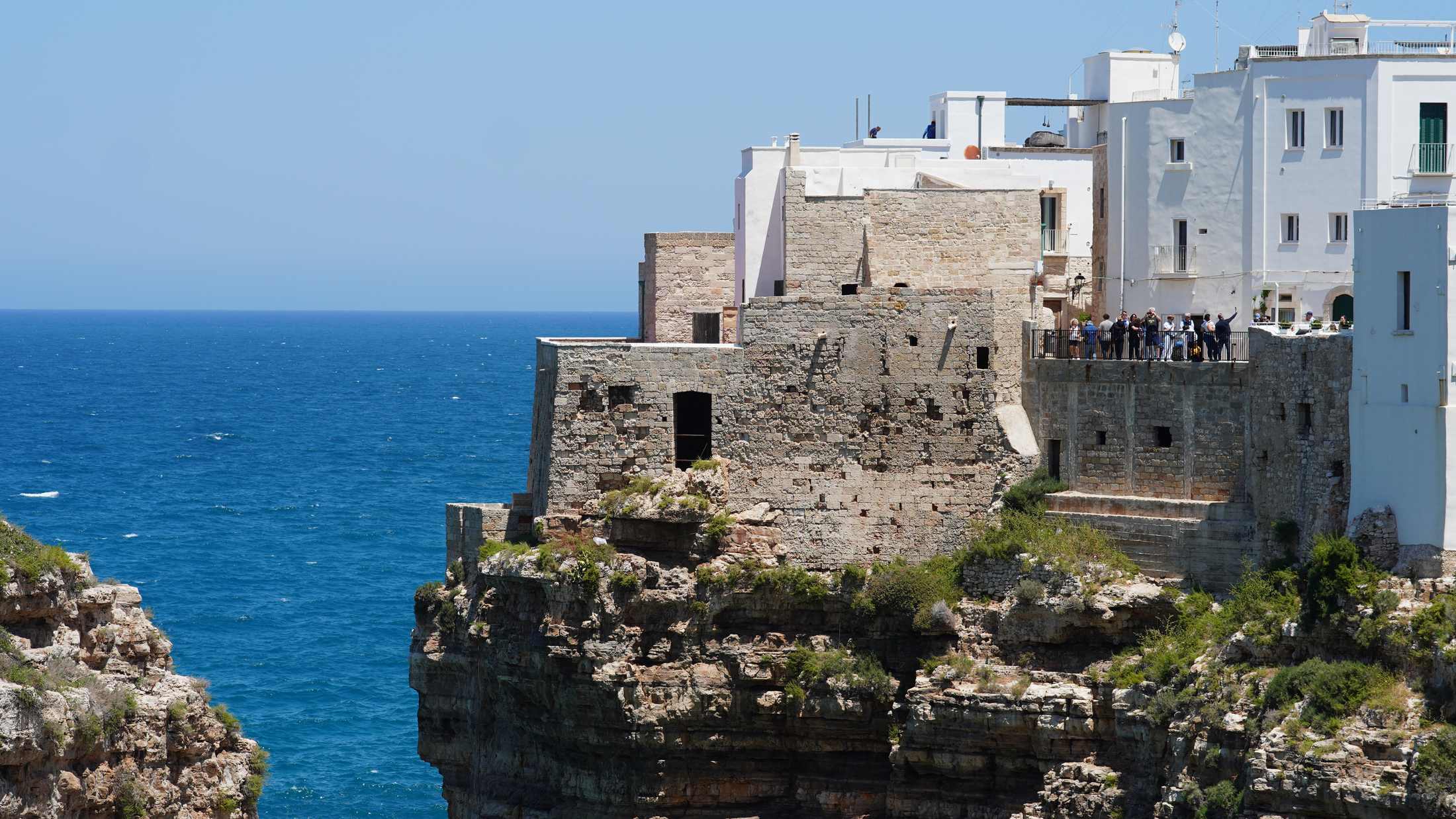
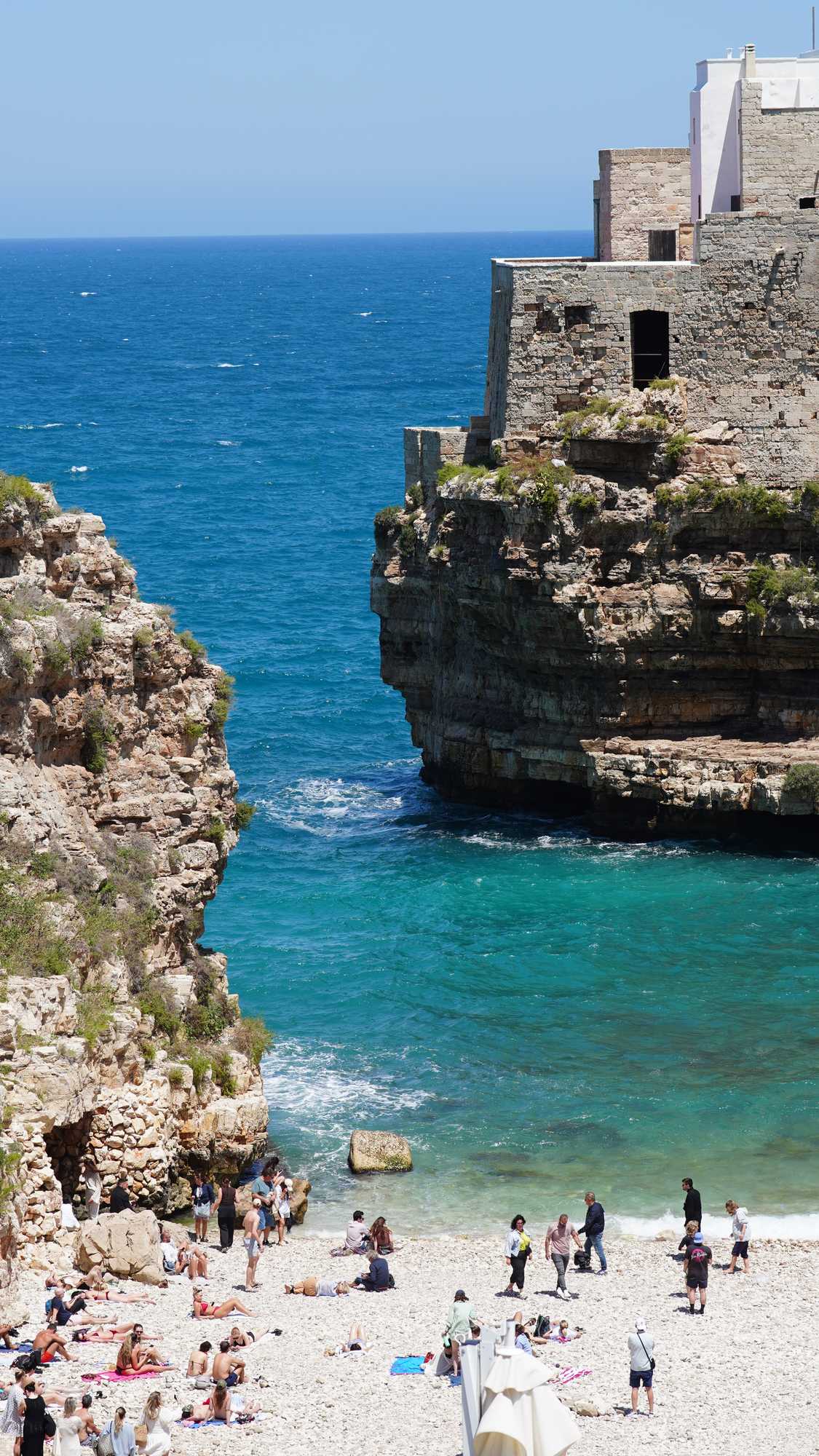
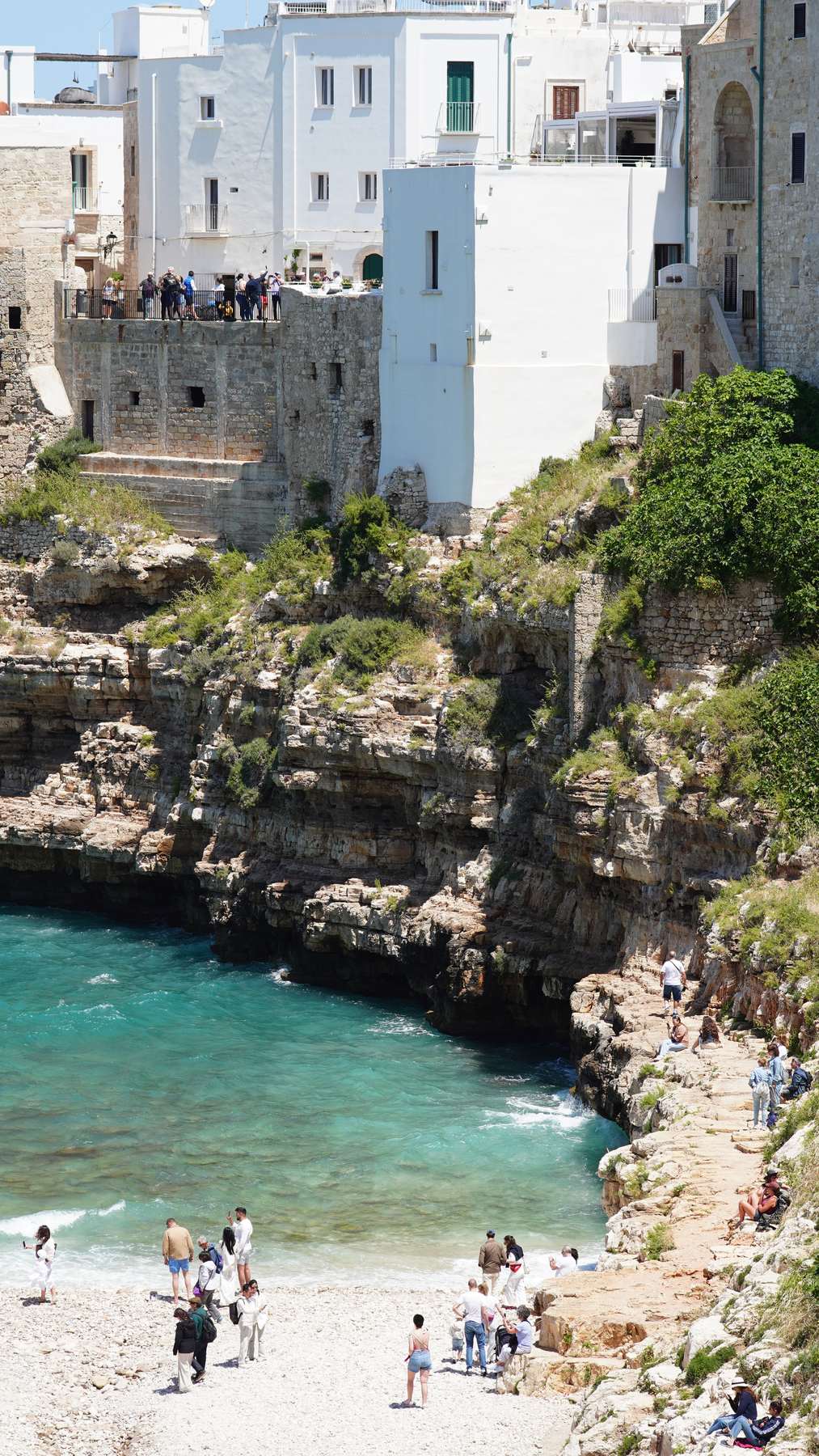
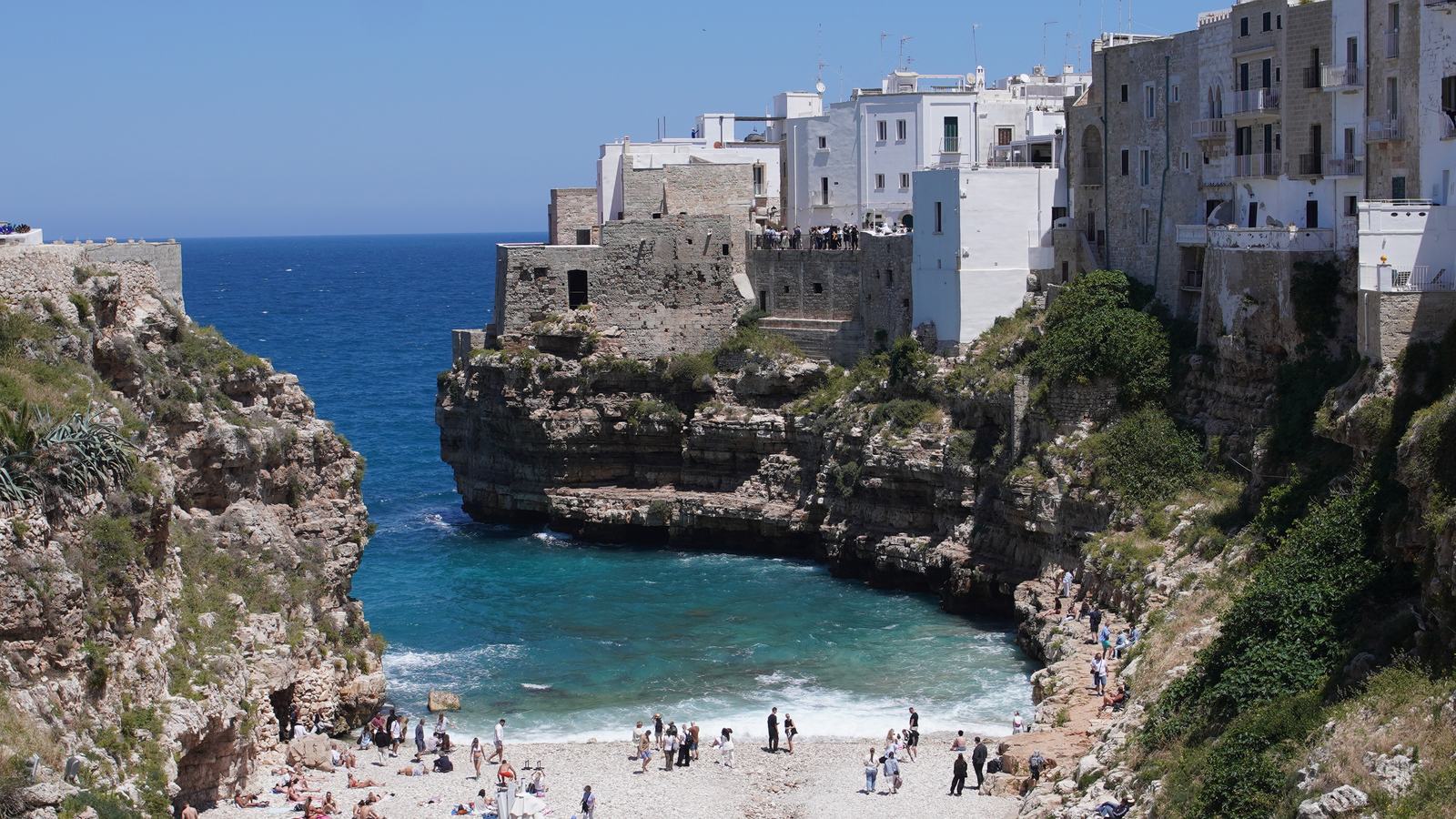
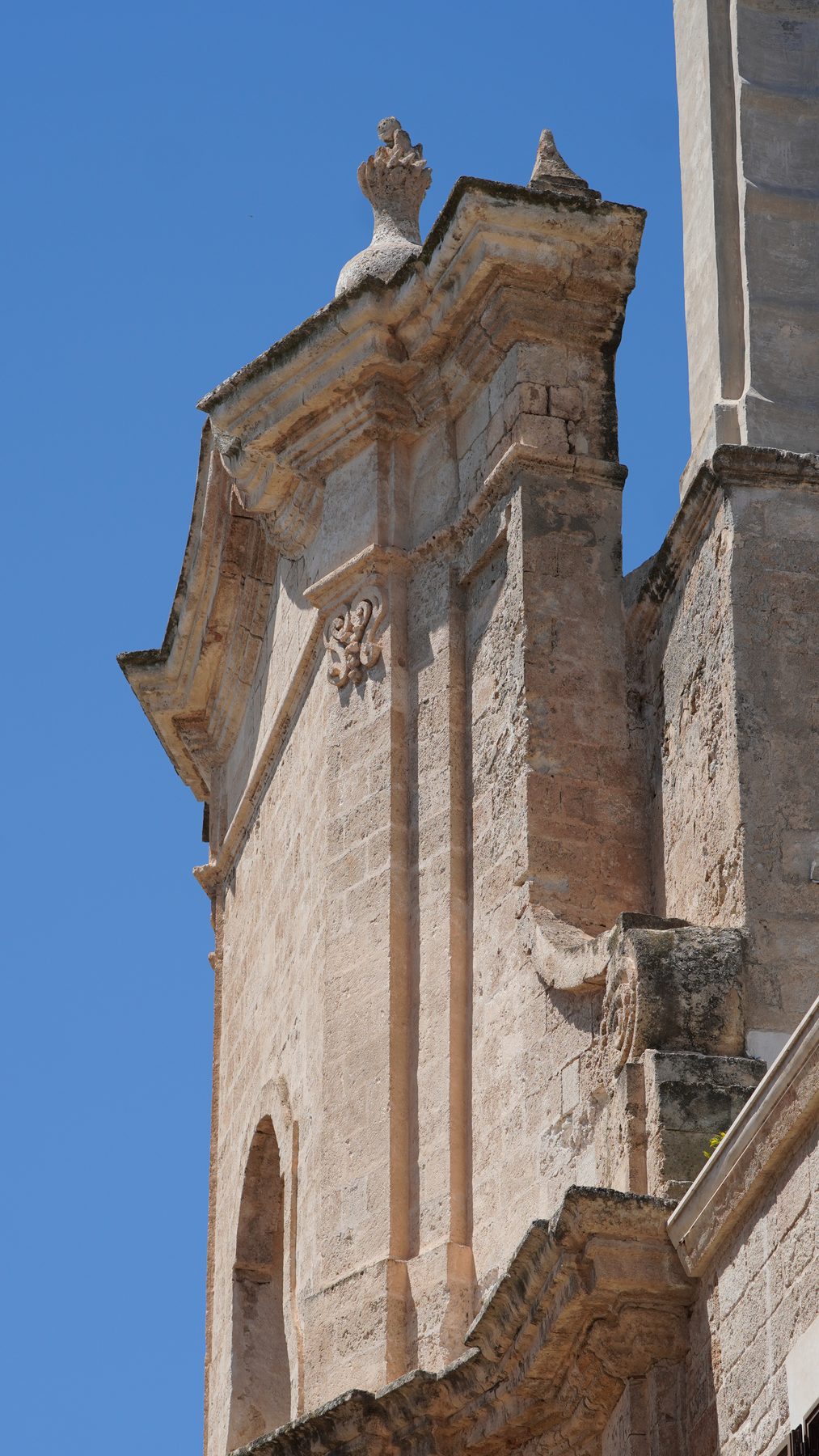
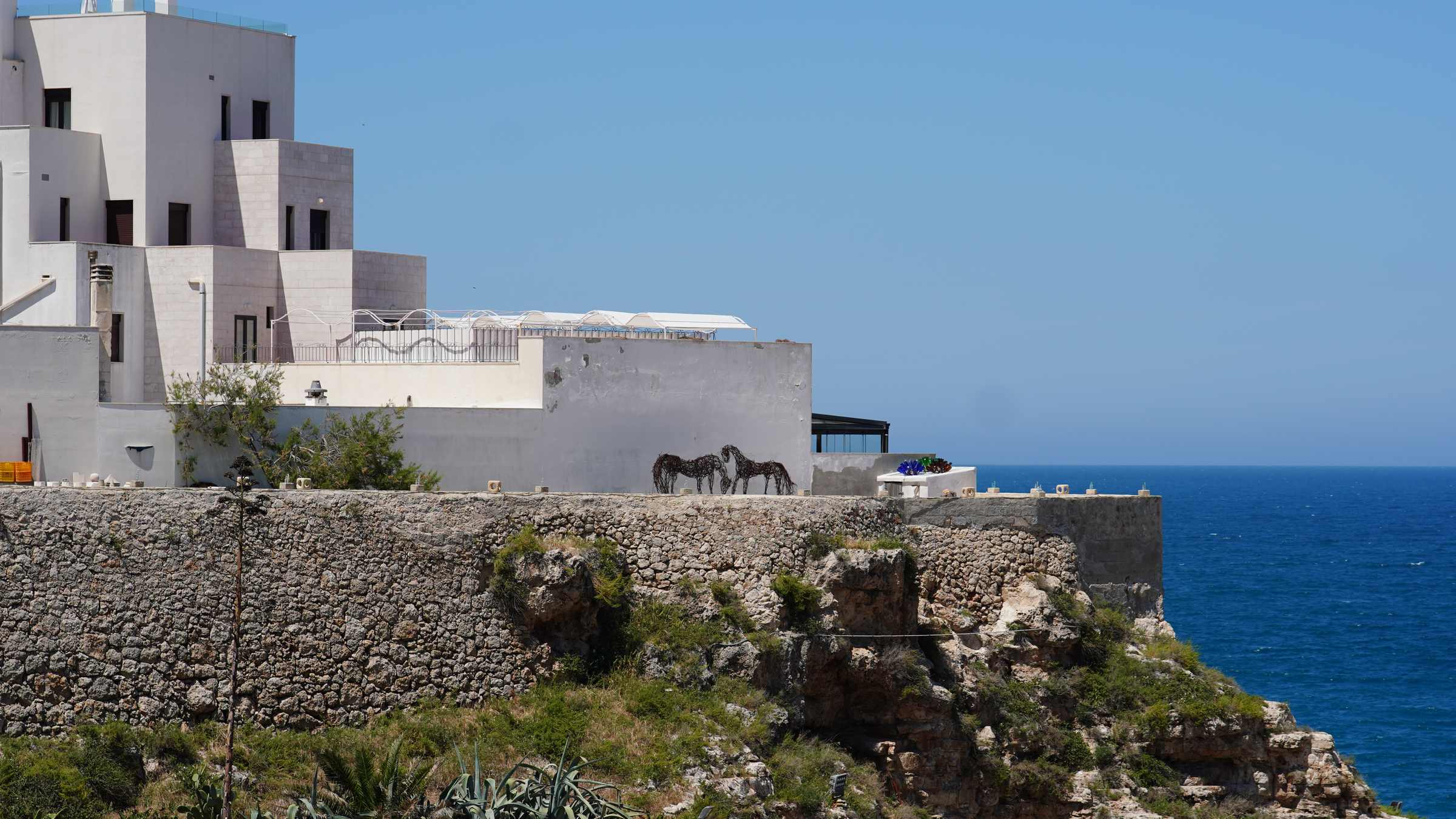
After Rome, the journey turns coastal. Polignano a Mare appears first through thresholds: a shaded archway, white walls, a glimpse of greenery, and then suddenly the Adriatic opens in blue. The town is dramatic in a different way from Rome: cliffs, balconies, caves, and buildings perched right above the water.
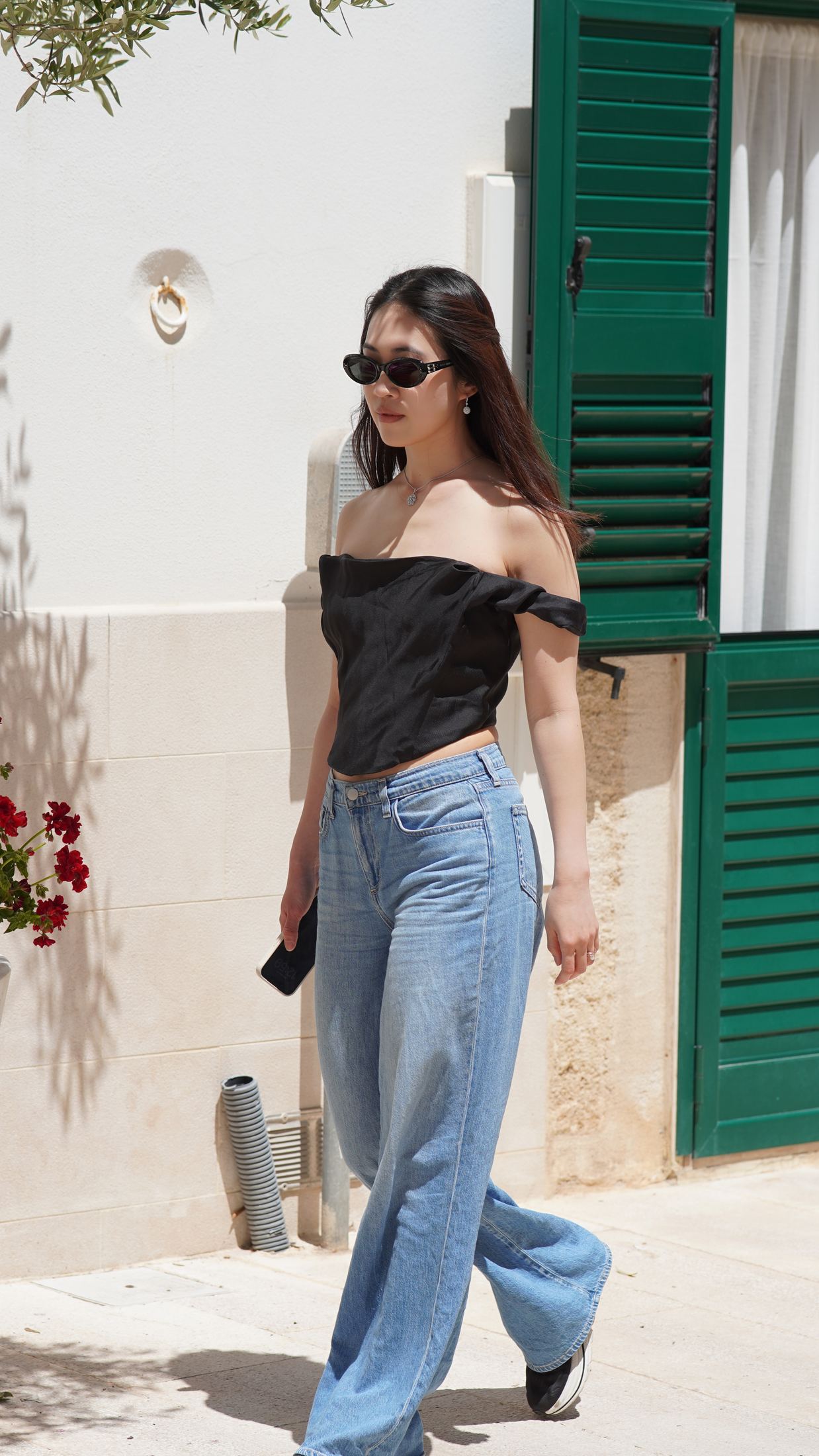
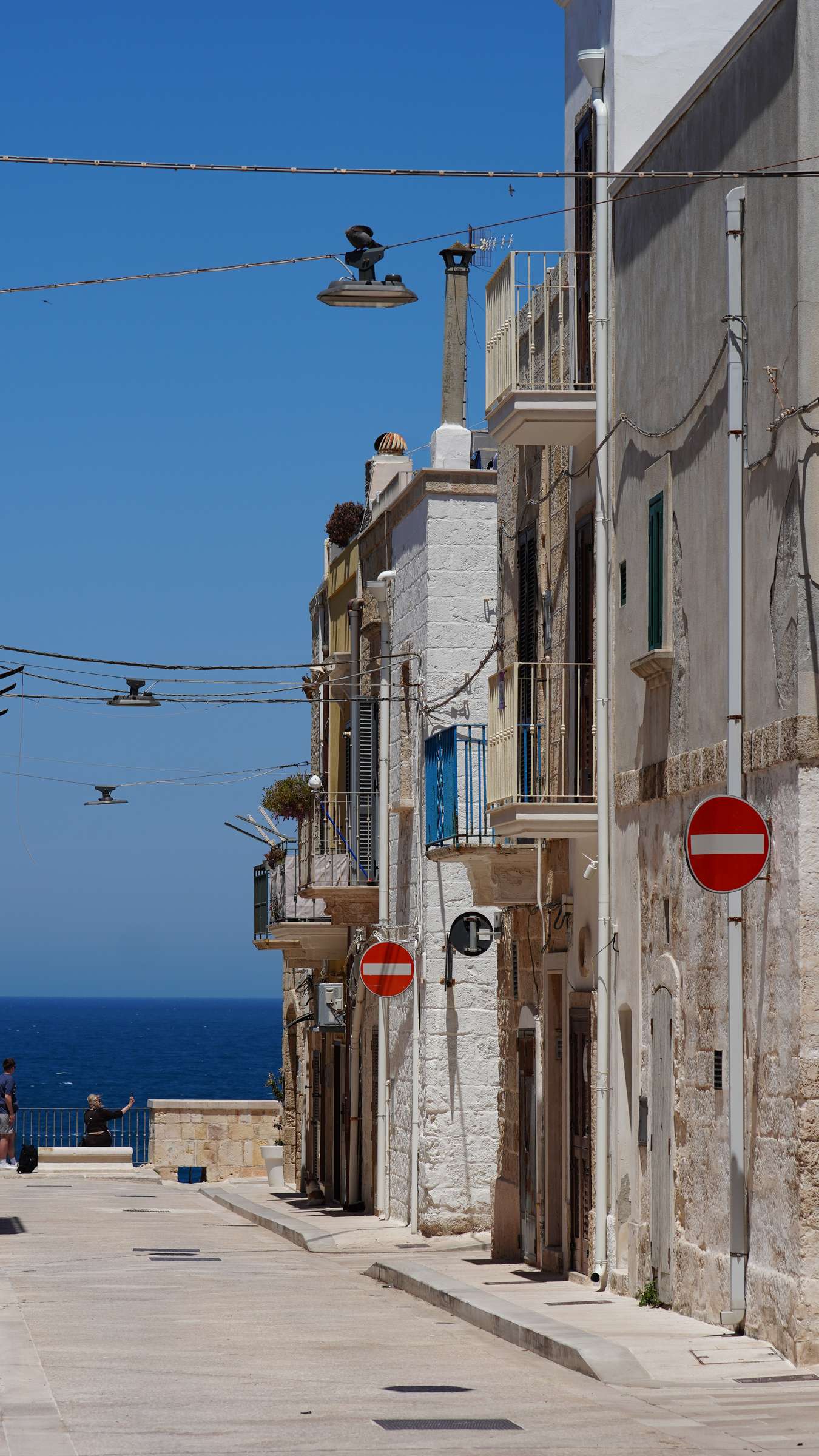
The photos circle the cove from several angles, watching the same beach and limestone walls shift slightly with each step. Then the camera moves inward through bright streets and simple facades, always with the sea reappearing at the edge of the frame.

Alberobello
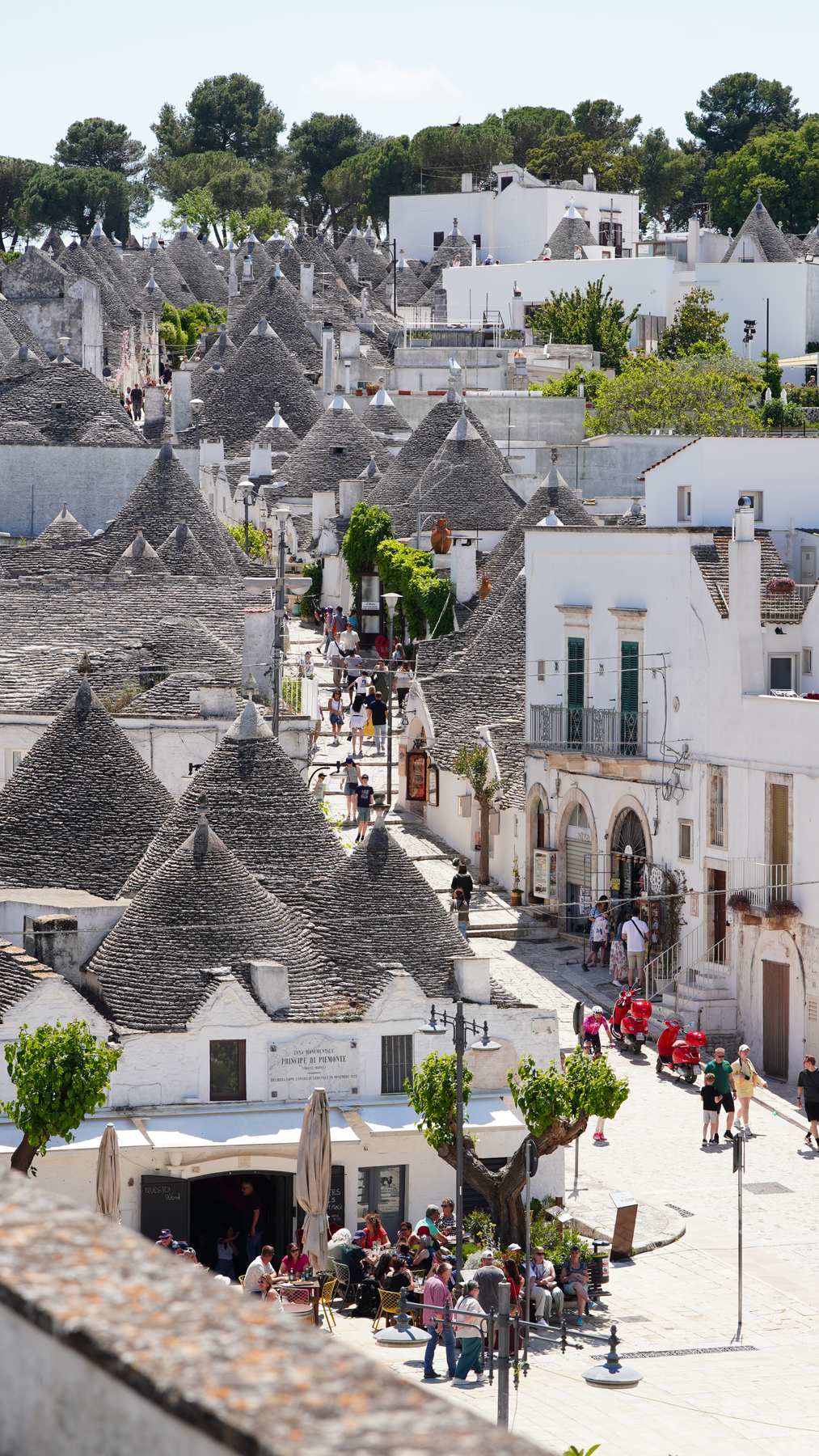
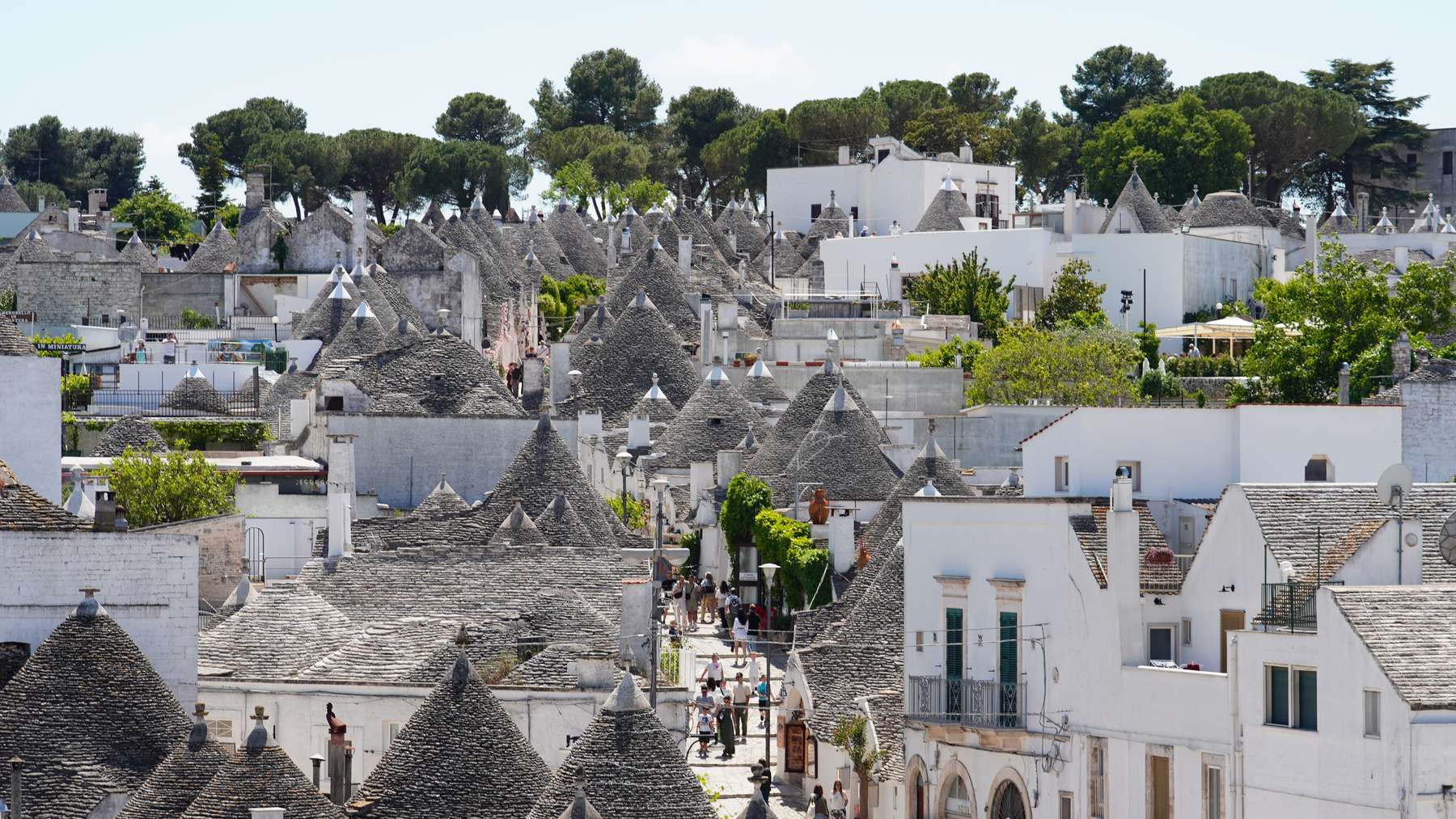
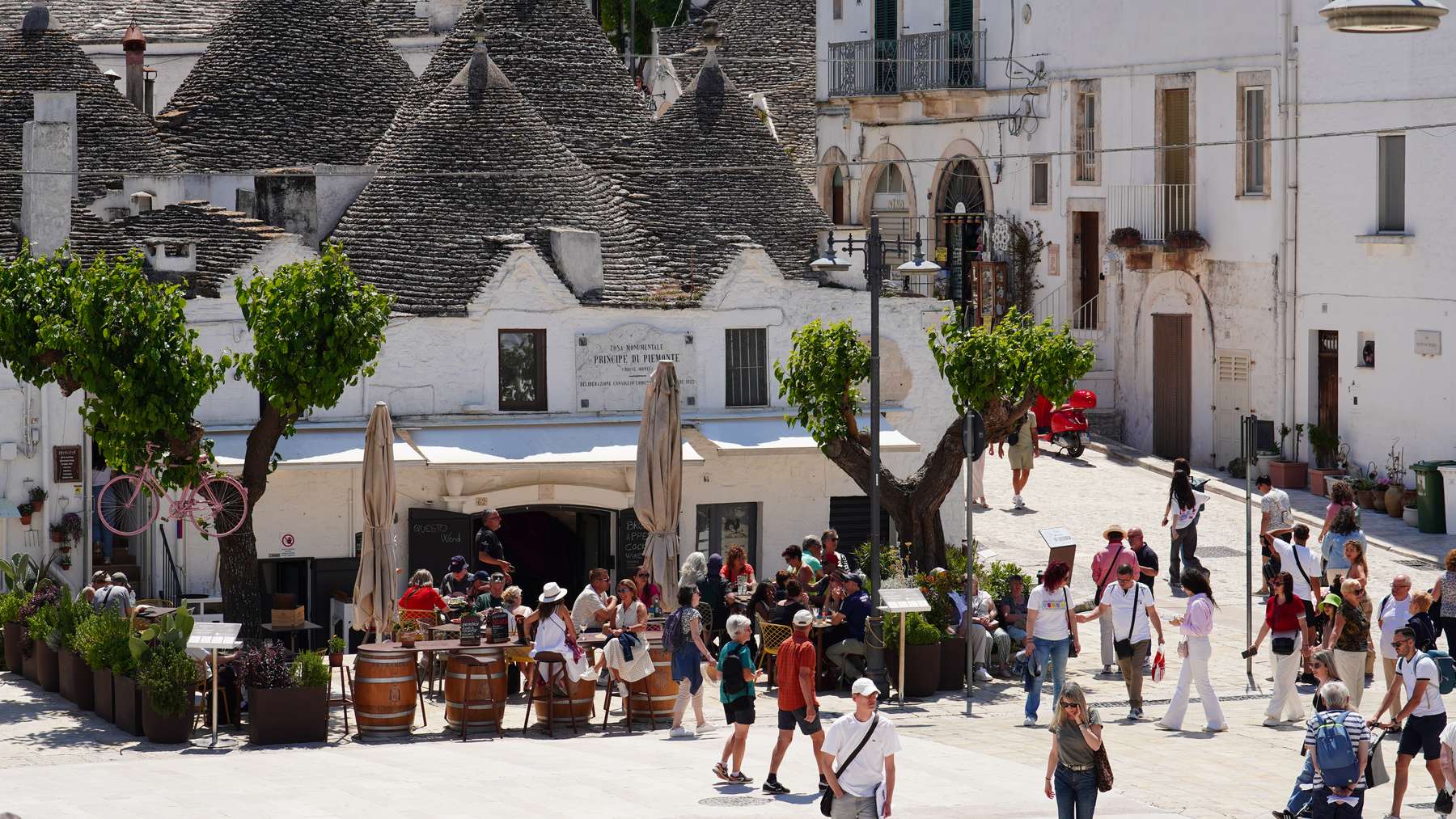
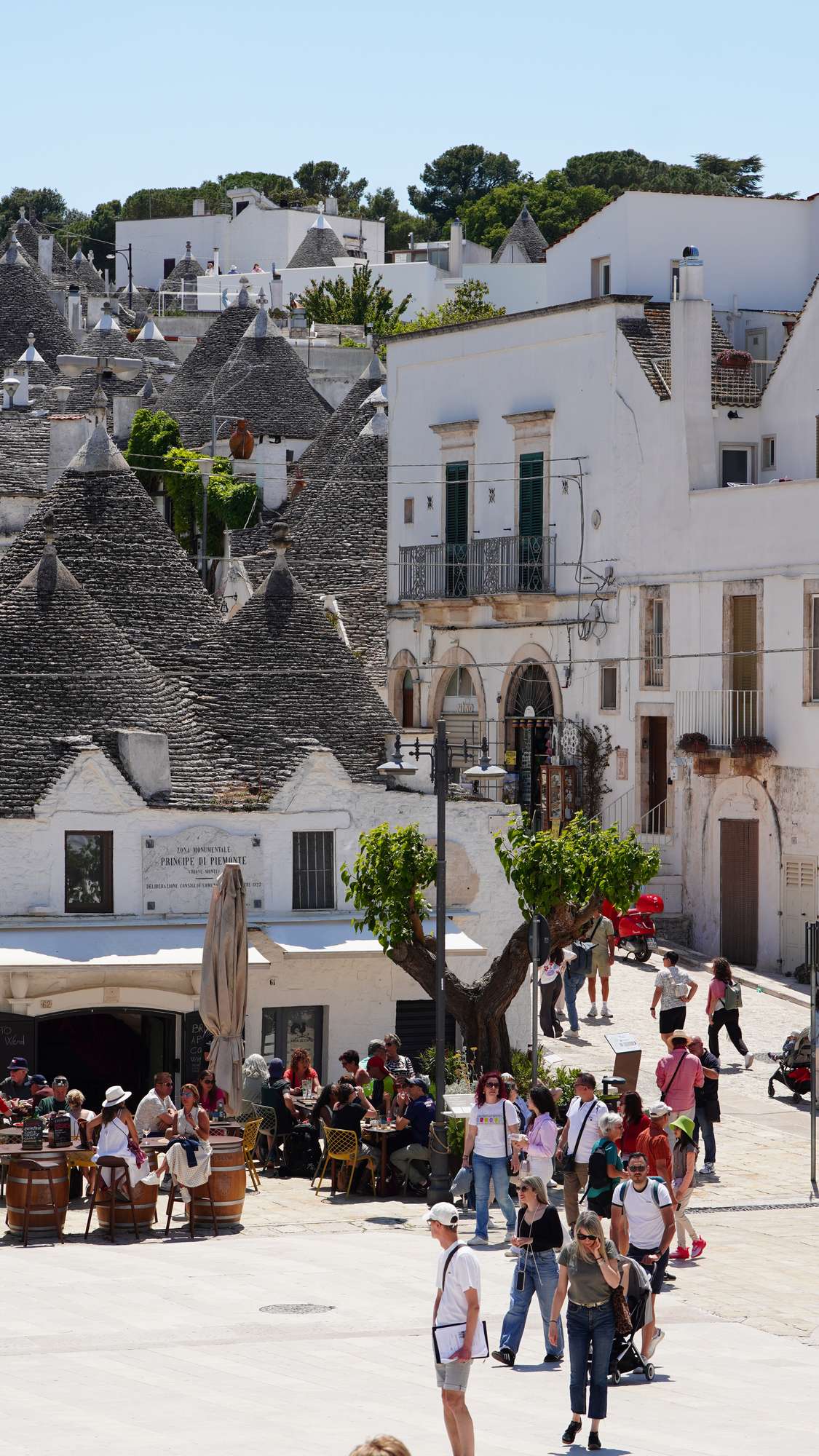
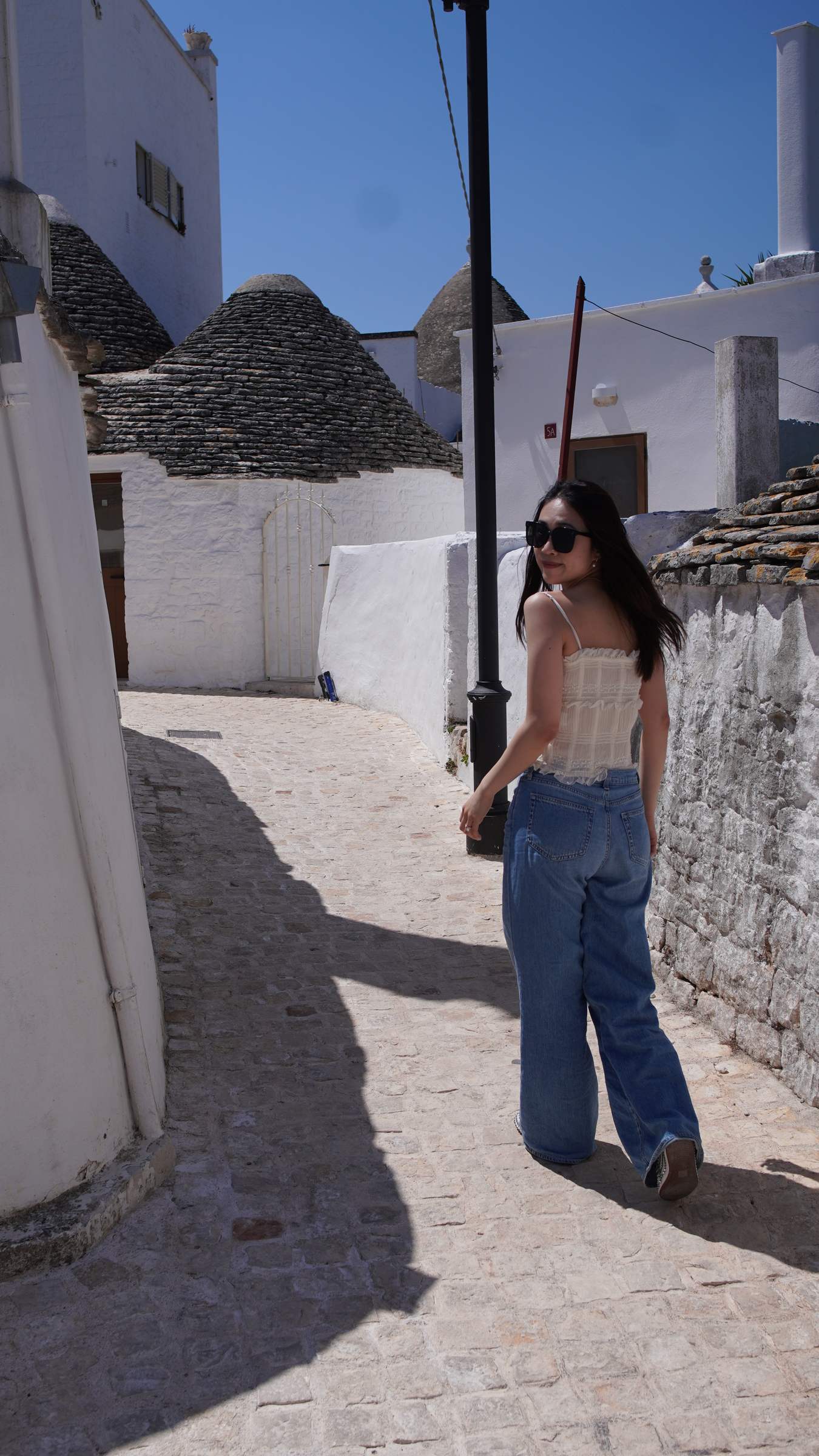
Alberobello changes the geometry of the trip. After cliffs and water, the photos settle into a hillside of trulli: conical stone roofs, white walls, small lanes, and crowds moving between buildings that feel both ancient and storybook-simple.
The sequence moves from broad overlooks into the lanes themselves. It is a place that looks best in layers: roofs in front, roofs behind them, white buildings catching the sun, and little pockets of shade where the town narrows around you.
Nardo
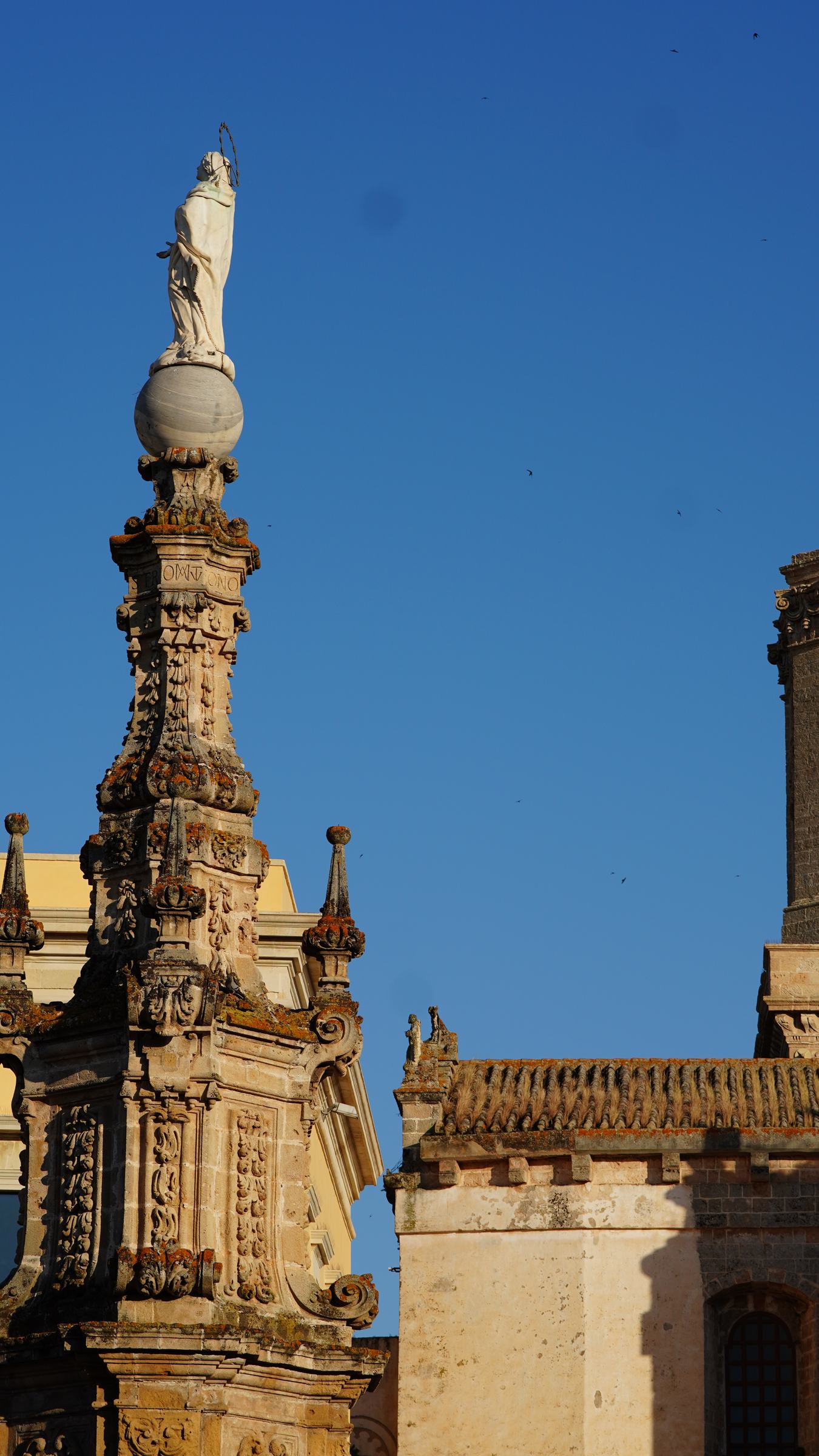
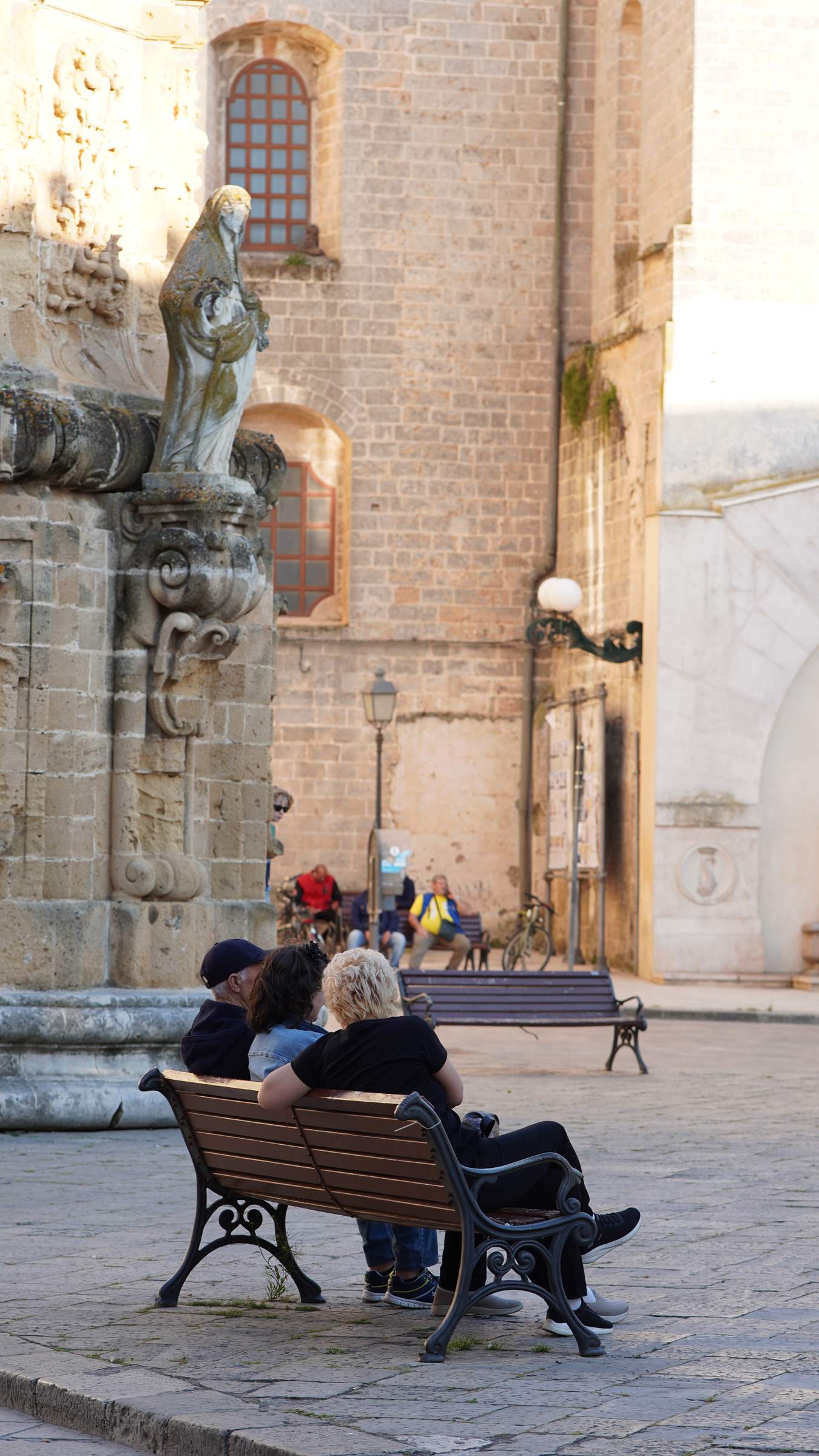
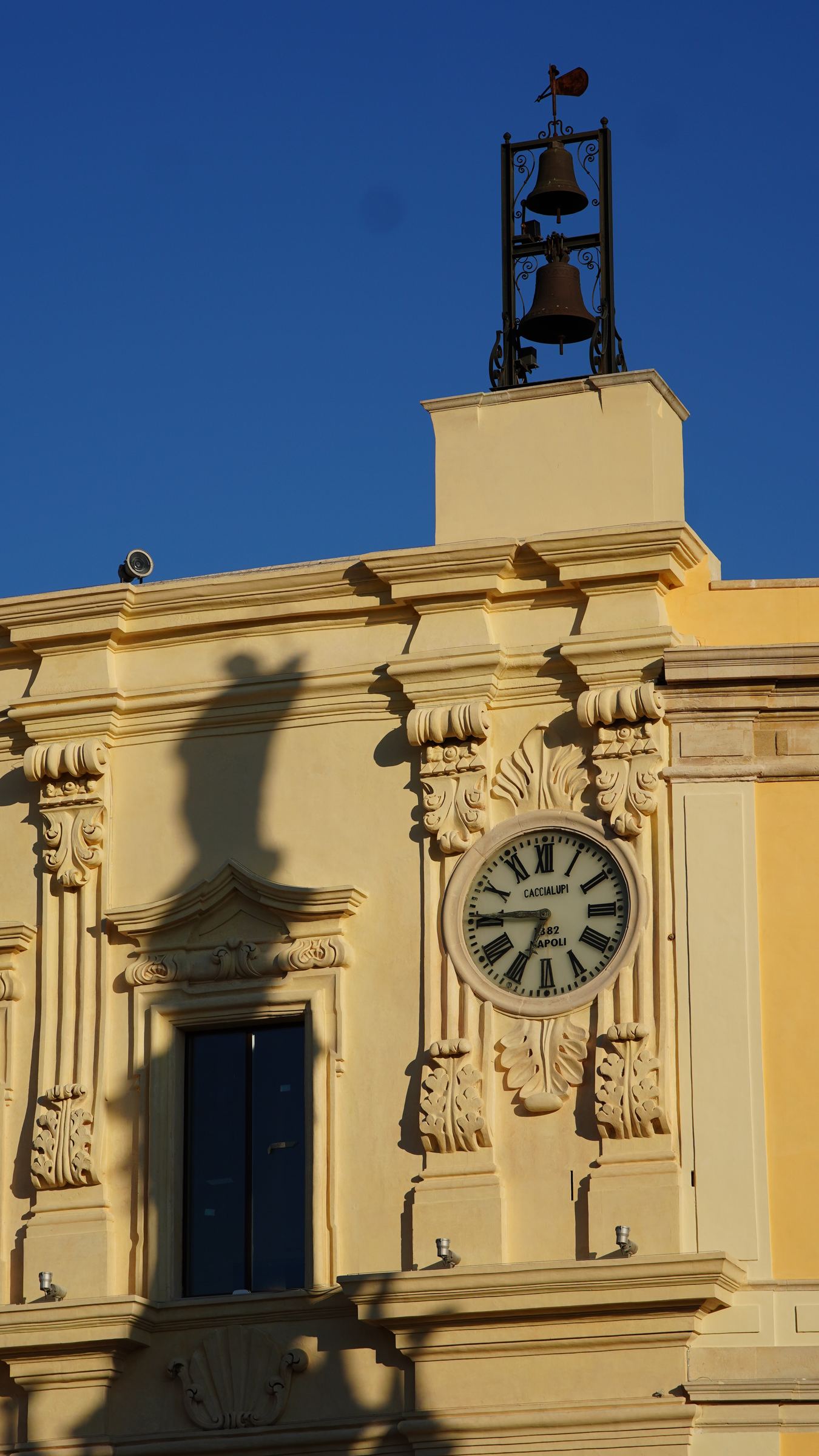
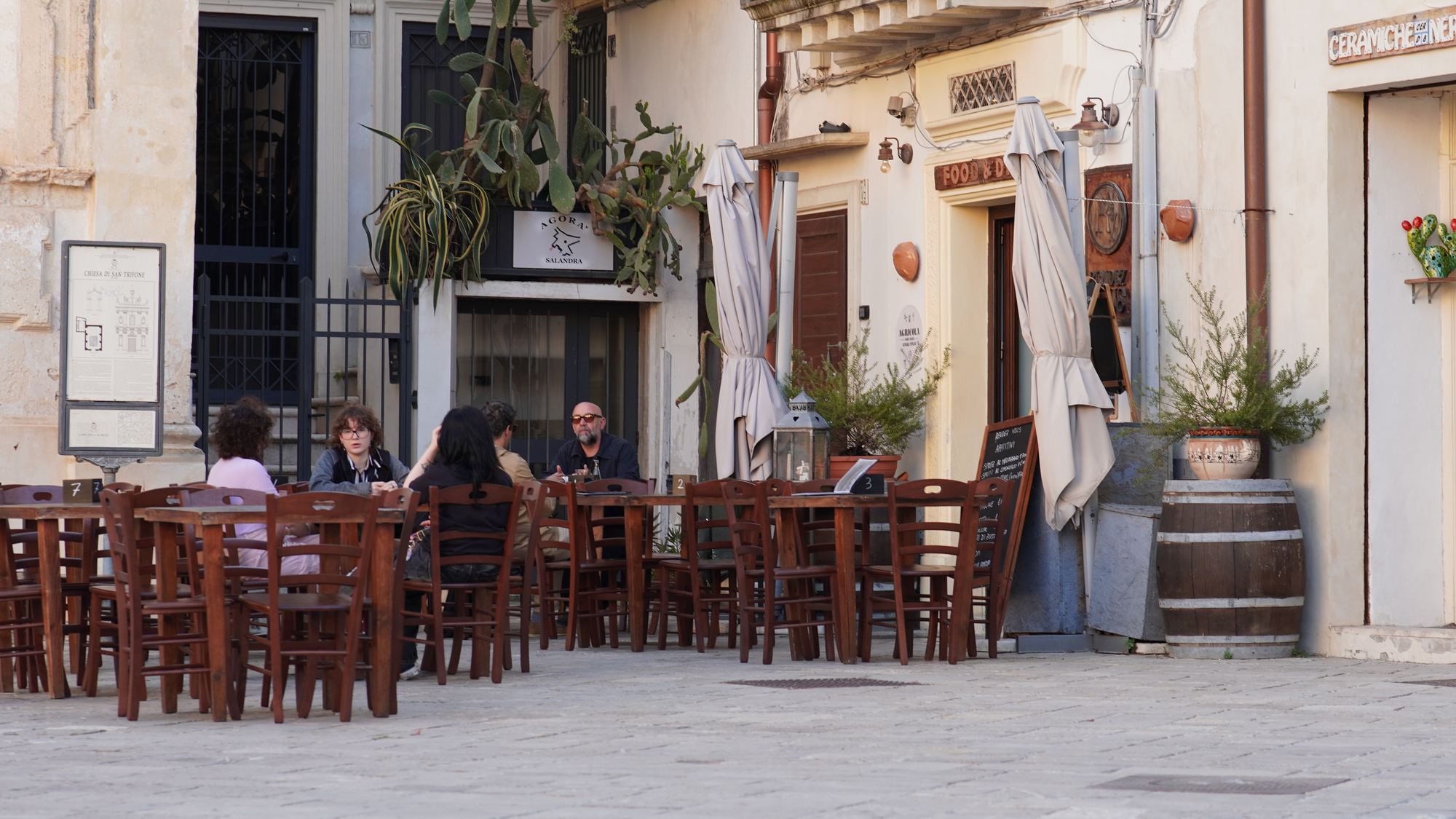
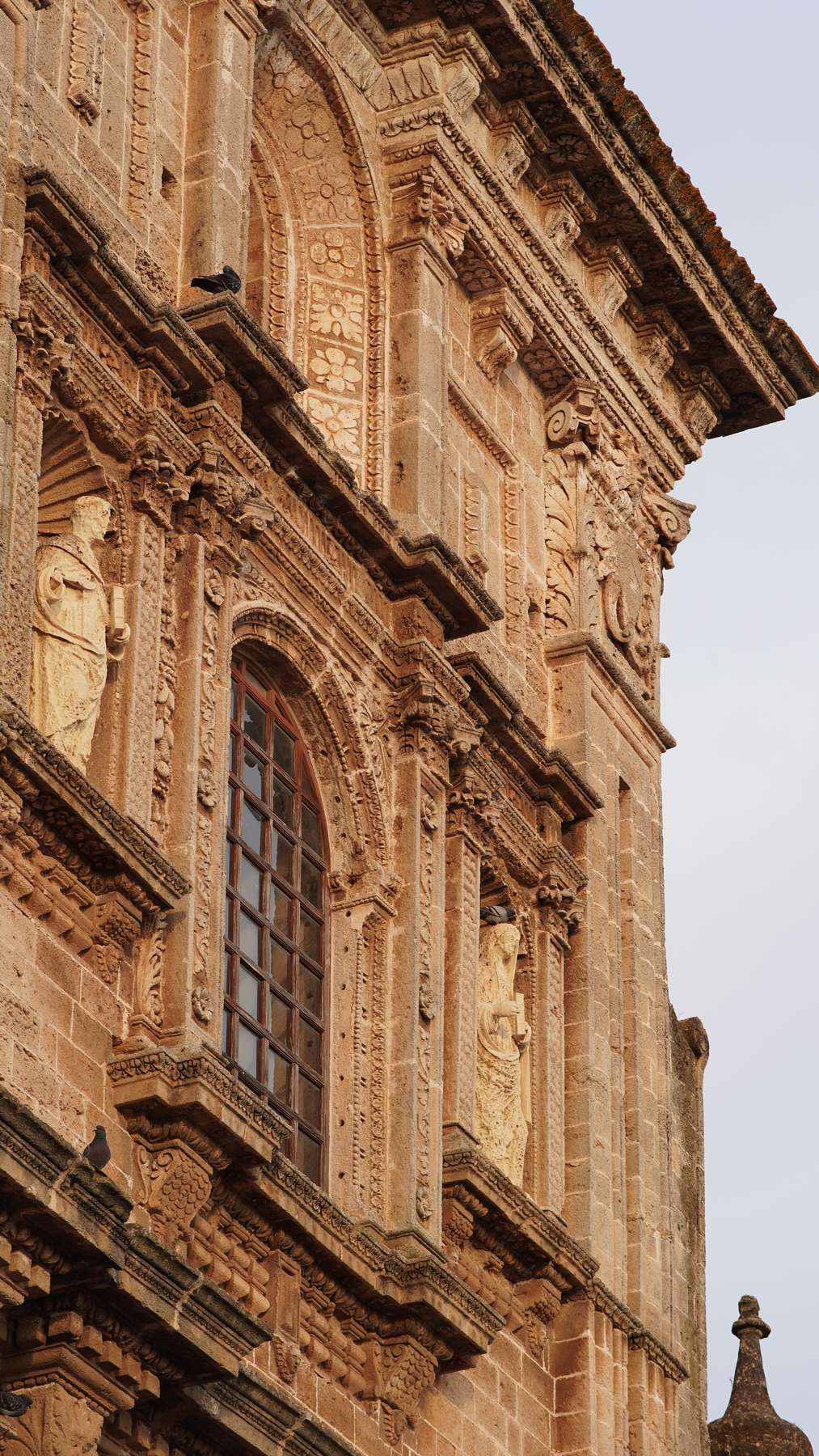
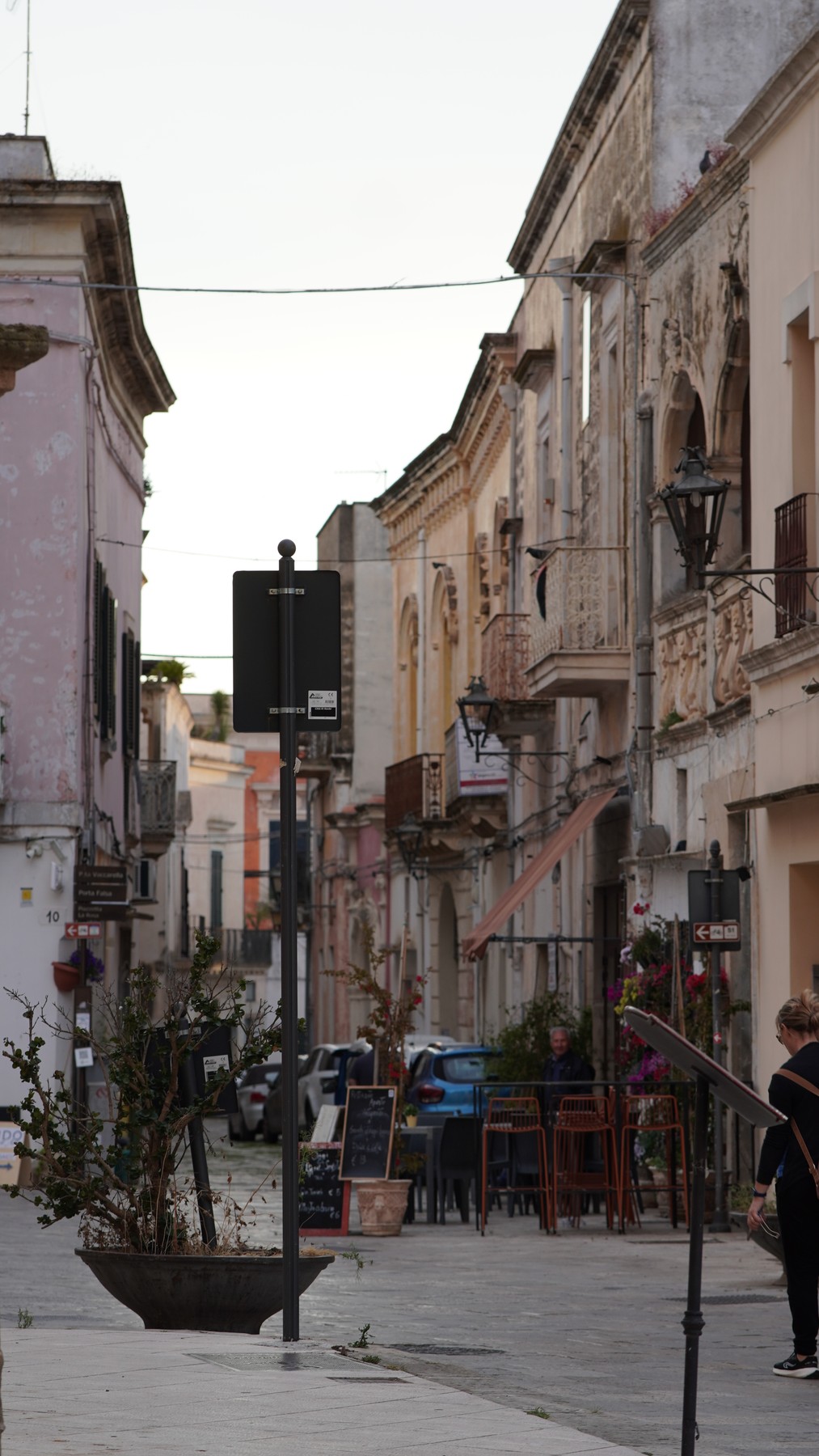
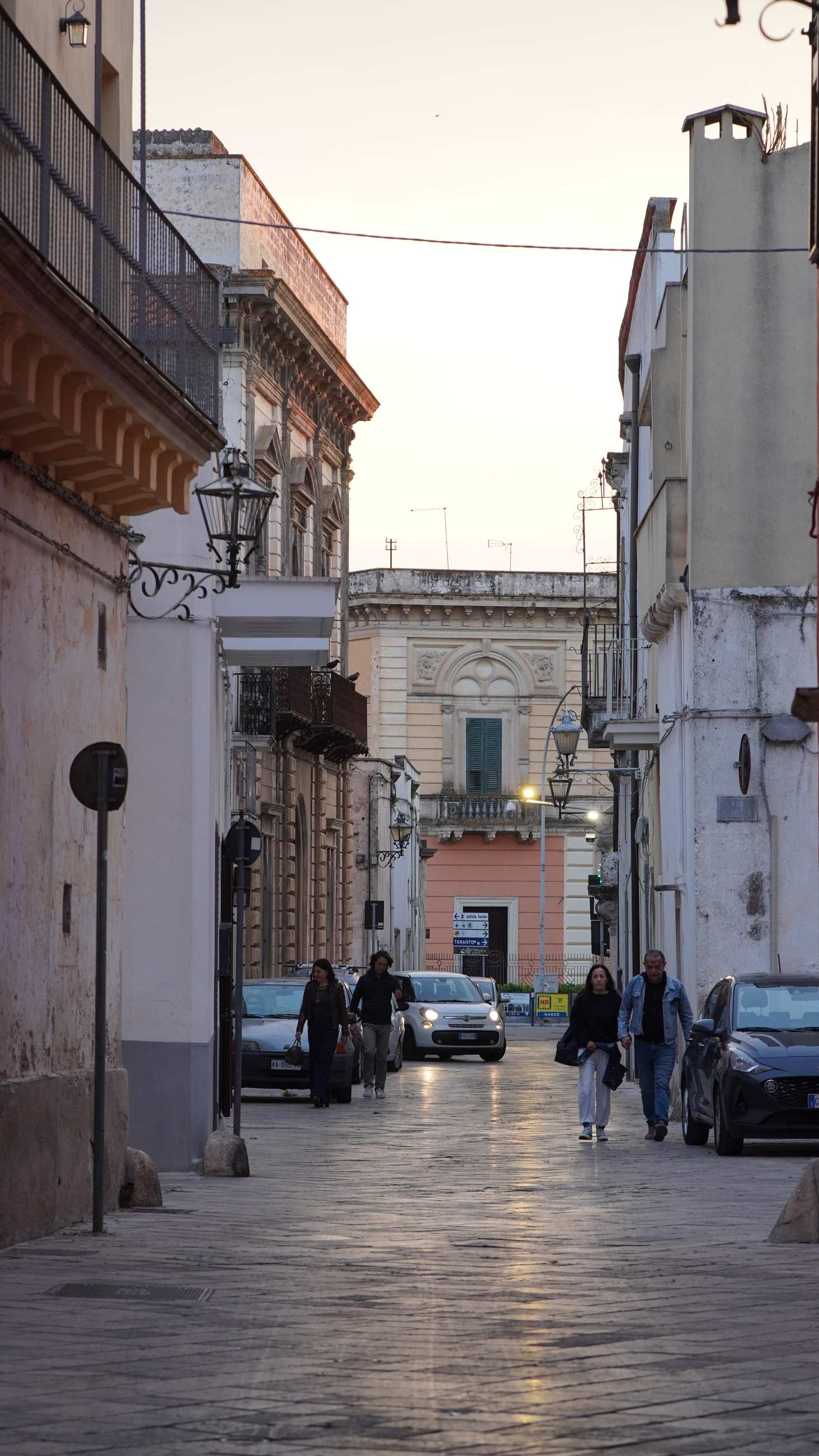
Nardo feels calmer and more local in the photographs. The grandeur is still there, but it comes in fragments: a tower against a cloudless sky, a fountain in a square, a clock facade, cafe tables set out under pale buildings, carved stone warmed by late light.
Where Rome felt monumental and Alberobello felt iconic, Nardo feels lived-in. The photos slow down around benches, empty streets, and small architectural moments.
Ostuni
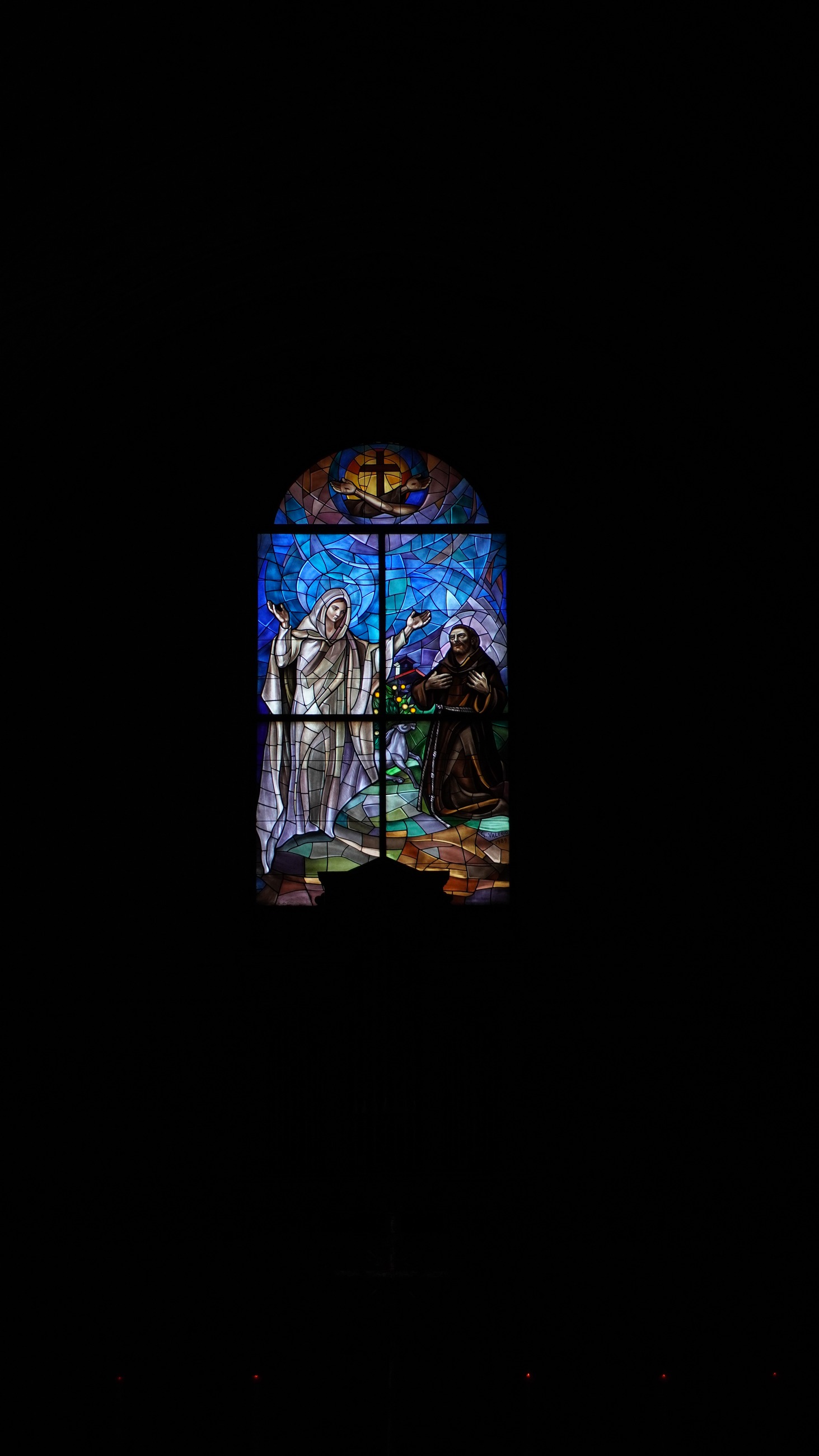
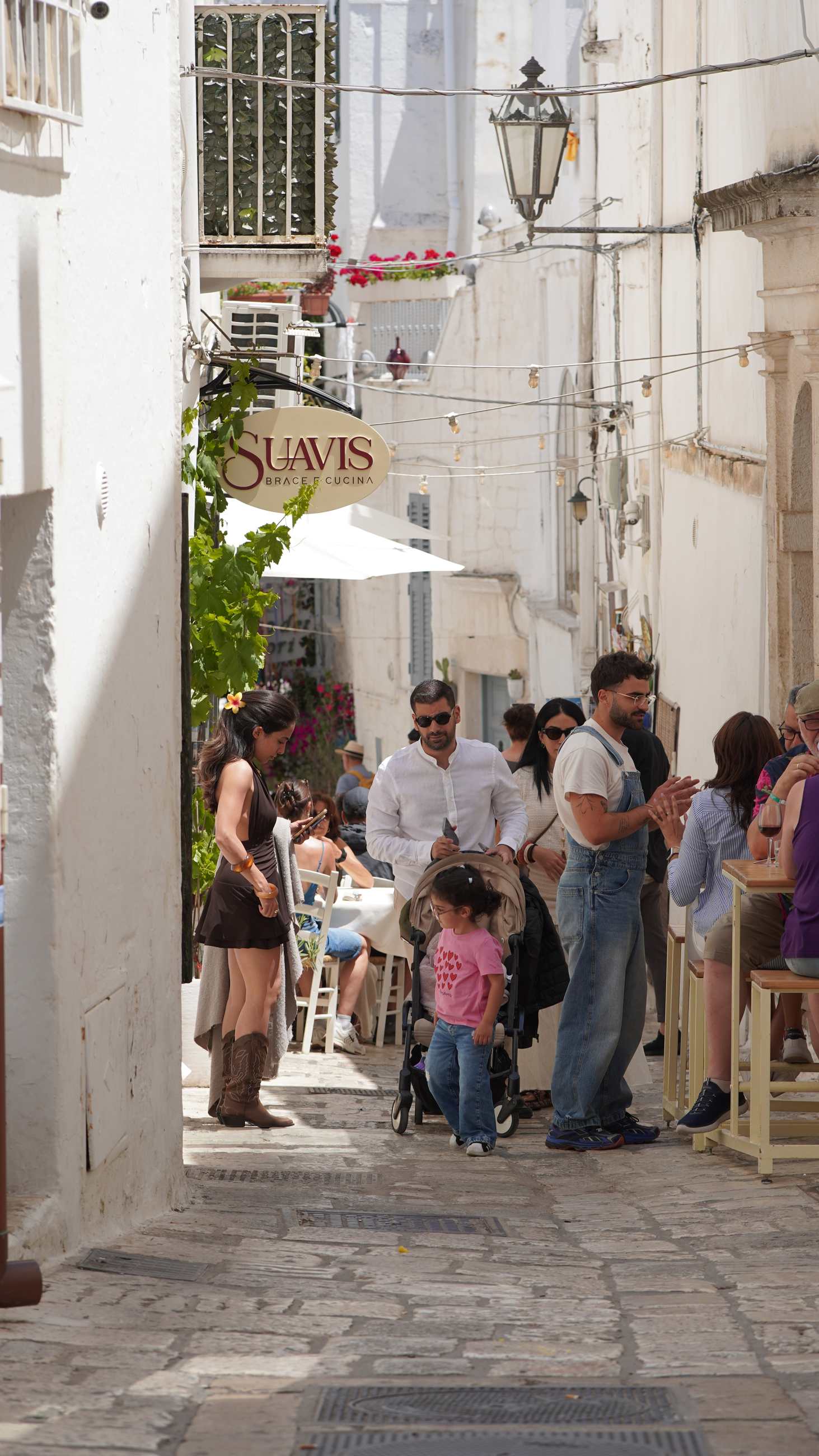
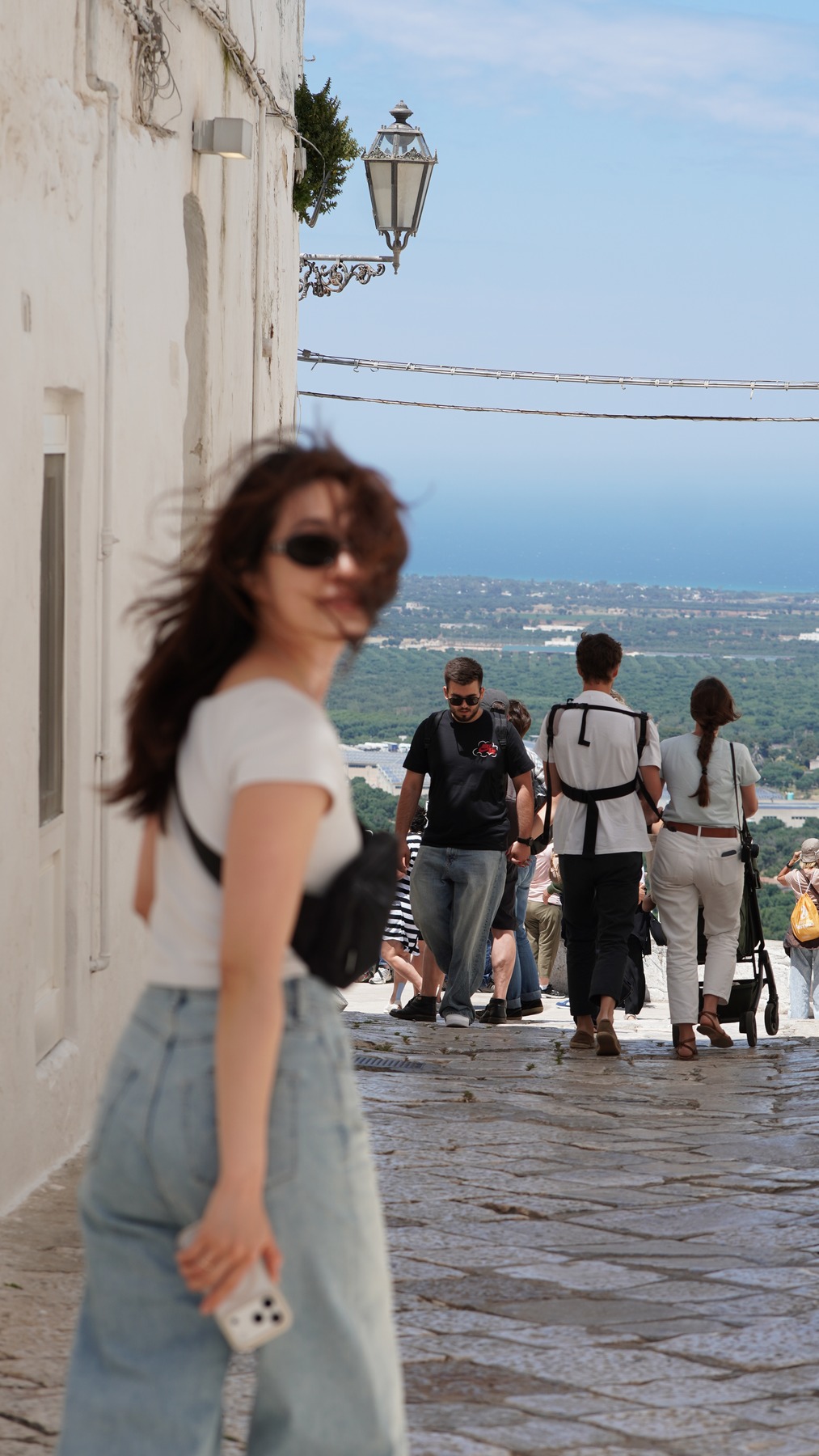
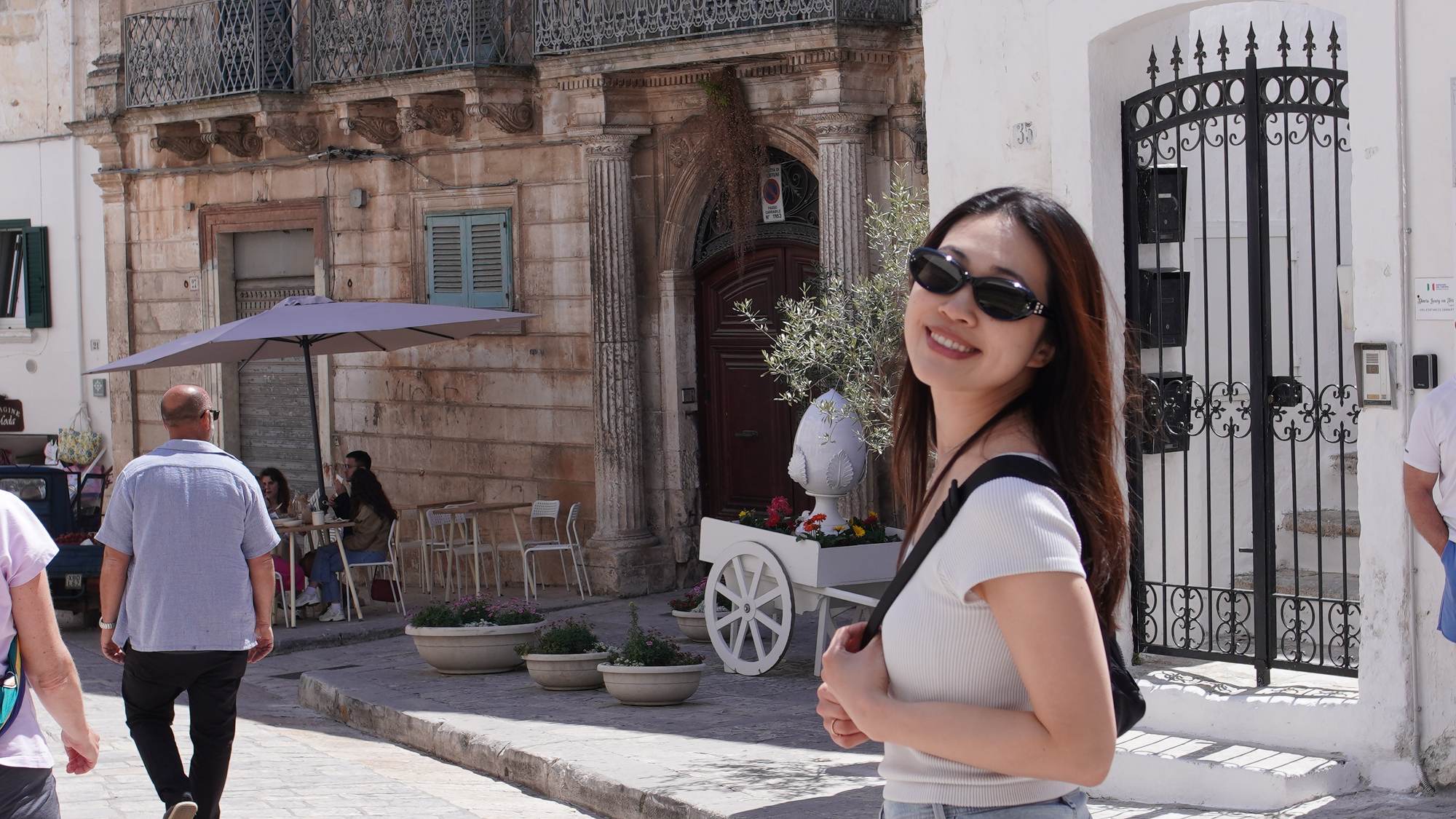
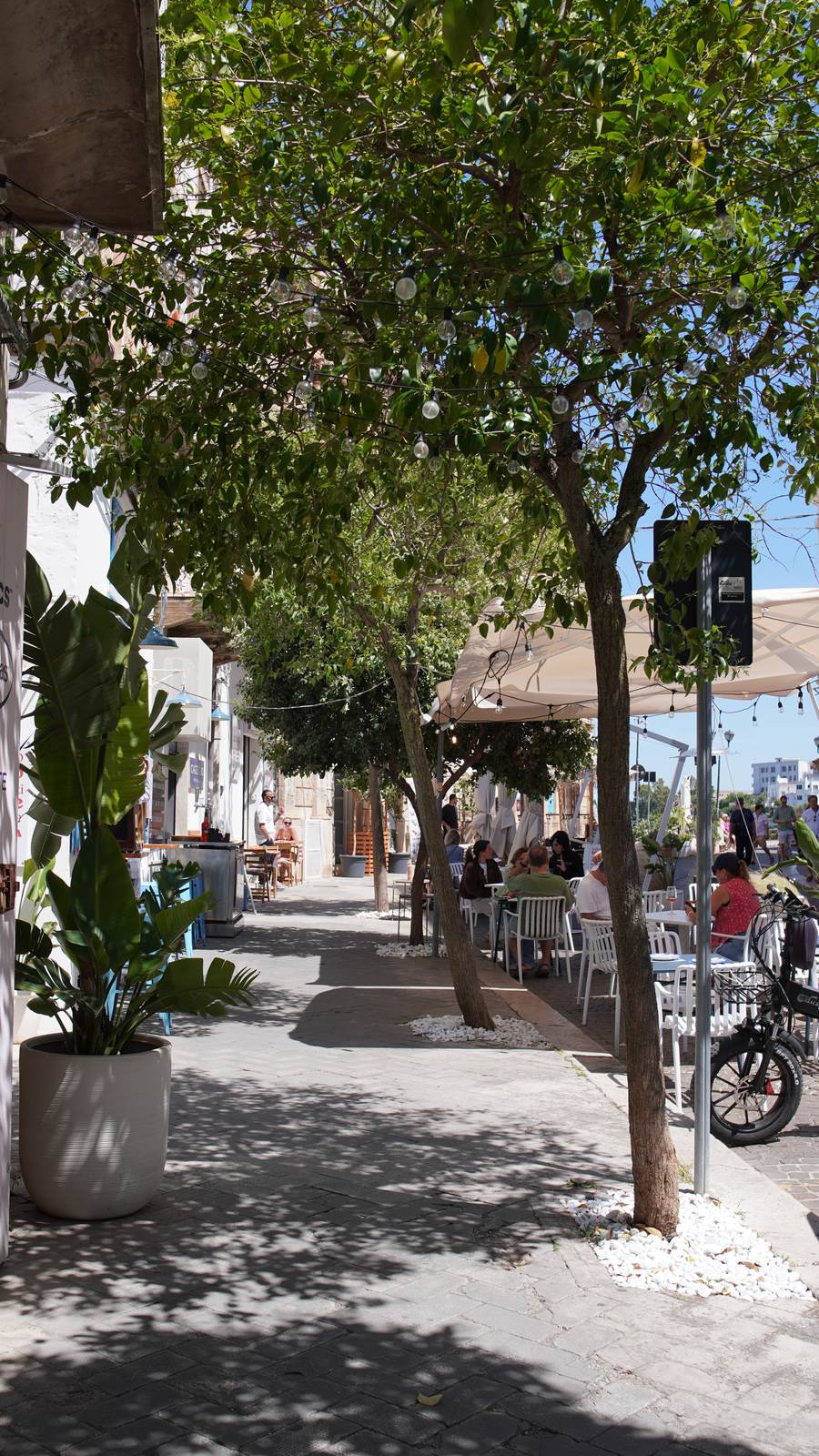
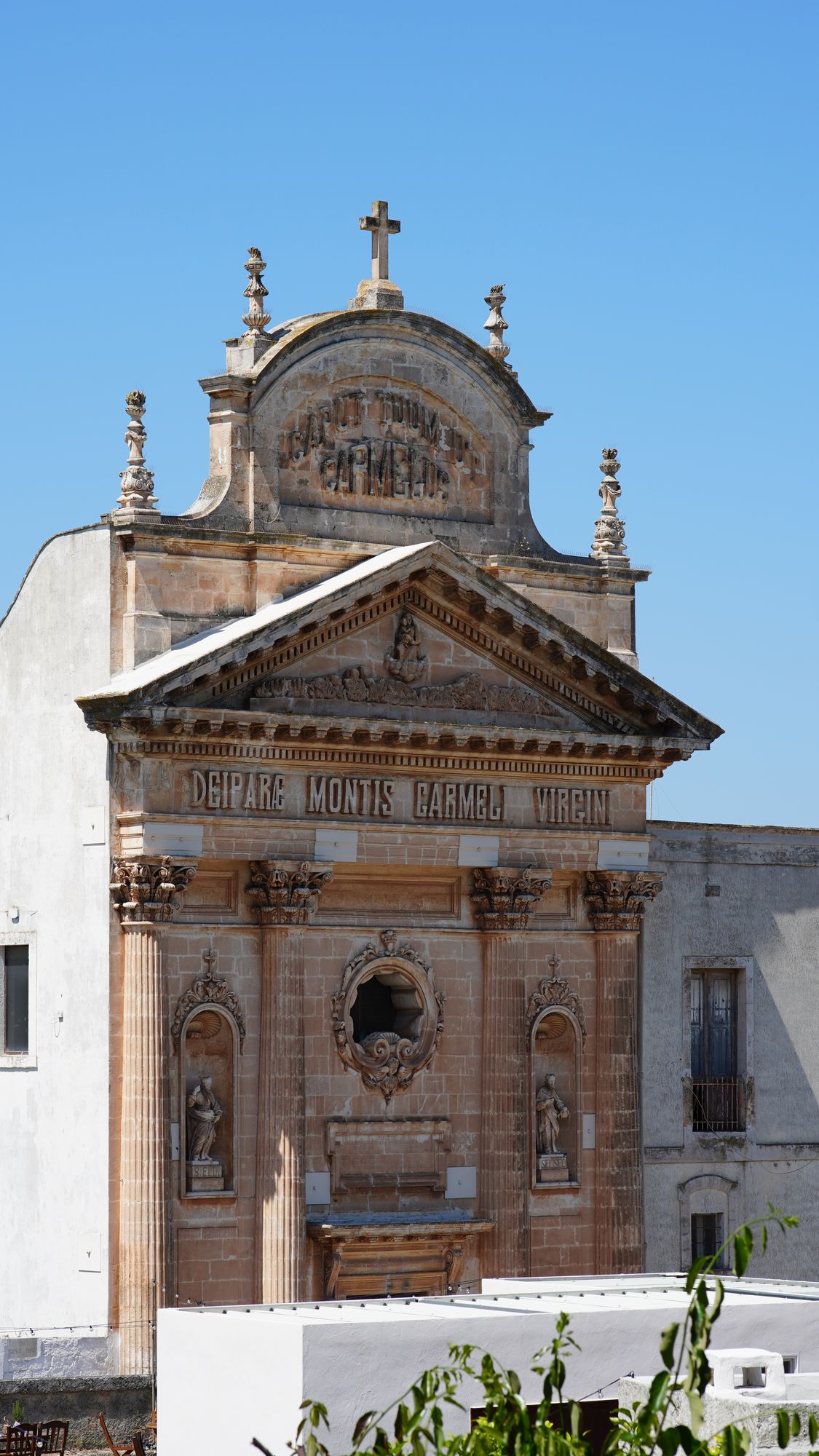
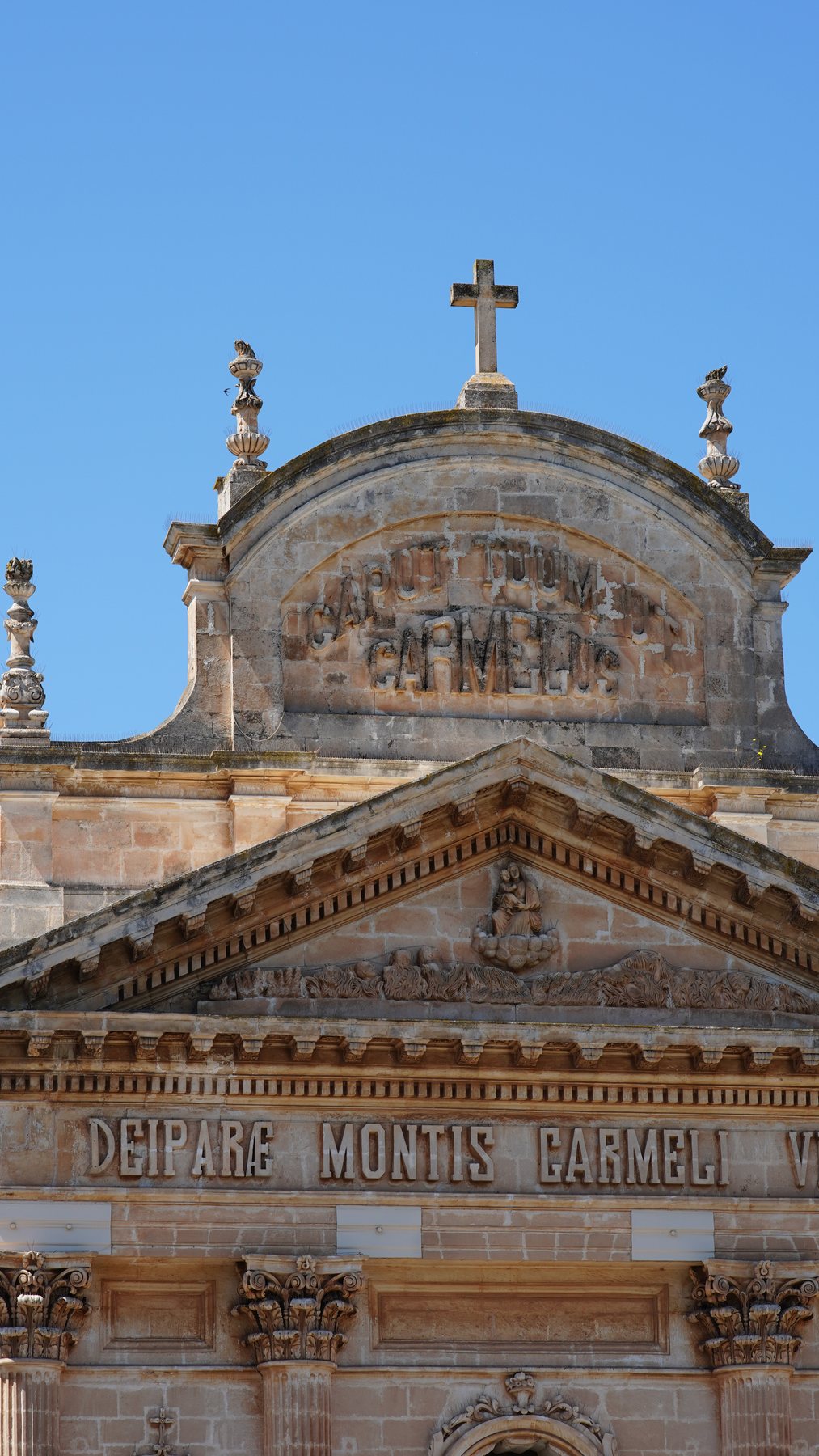
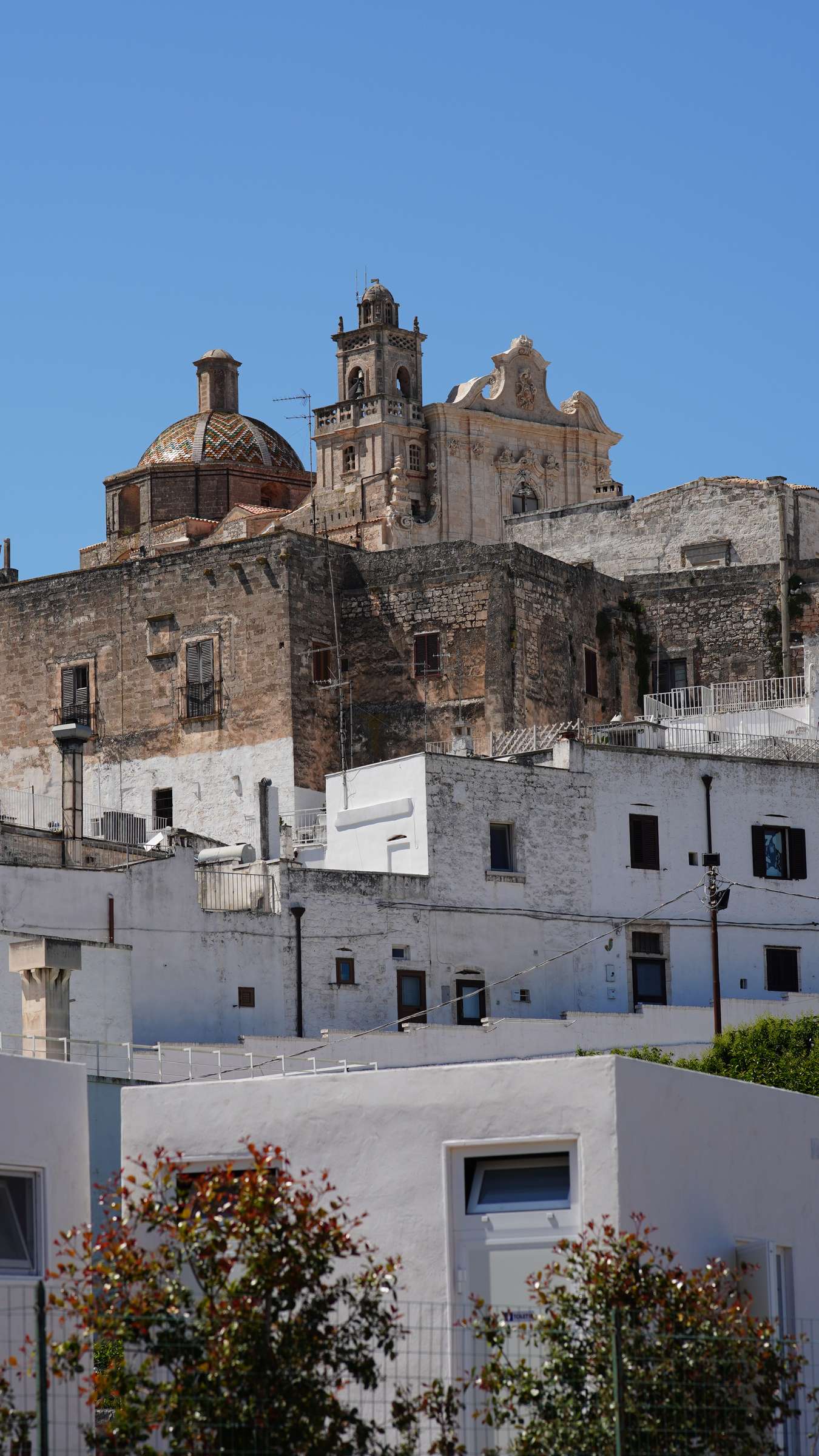
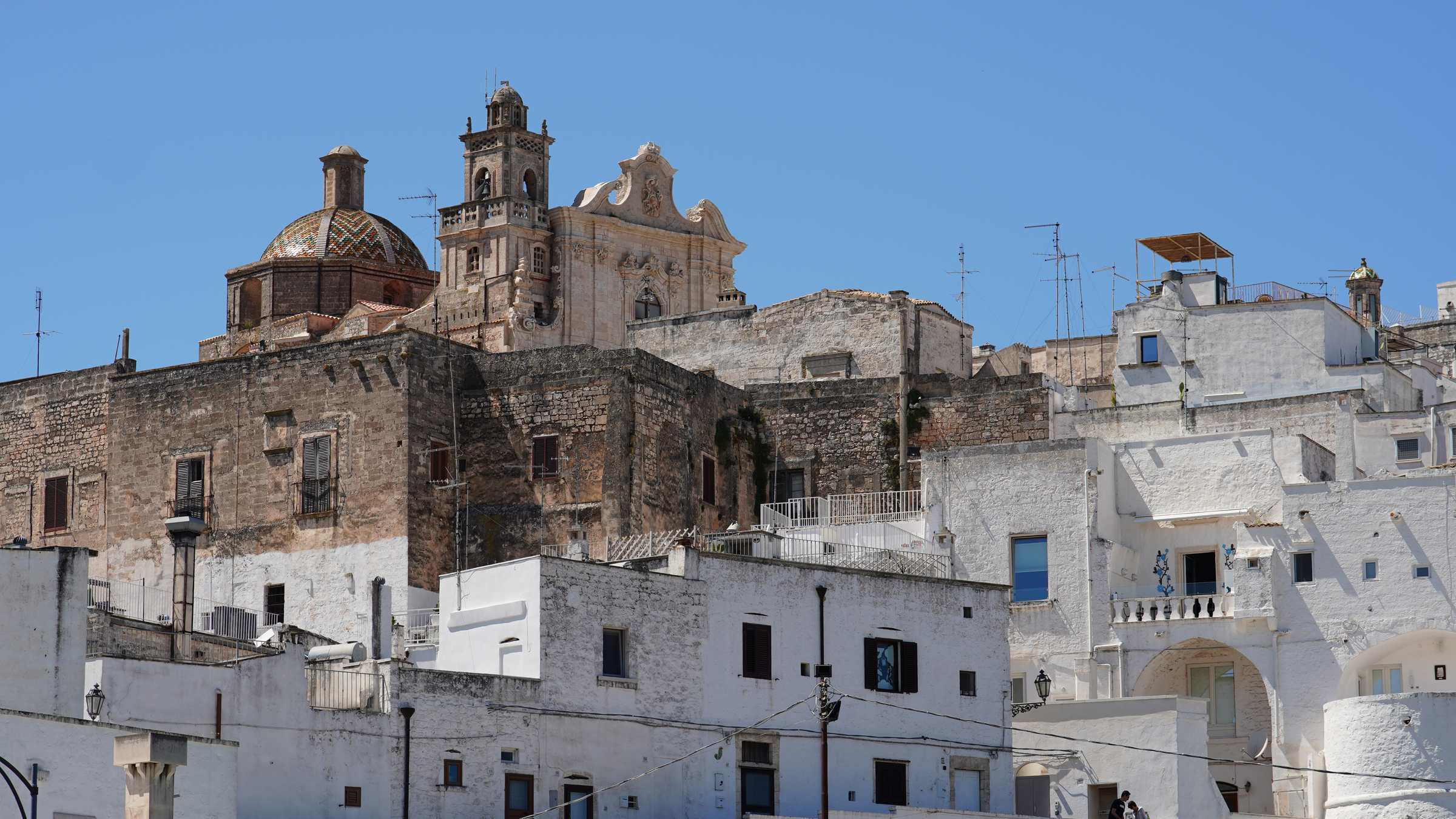
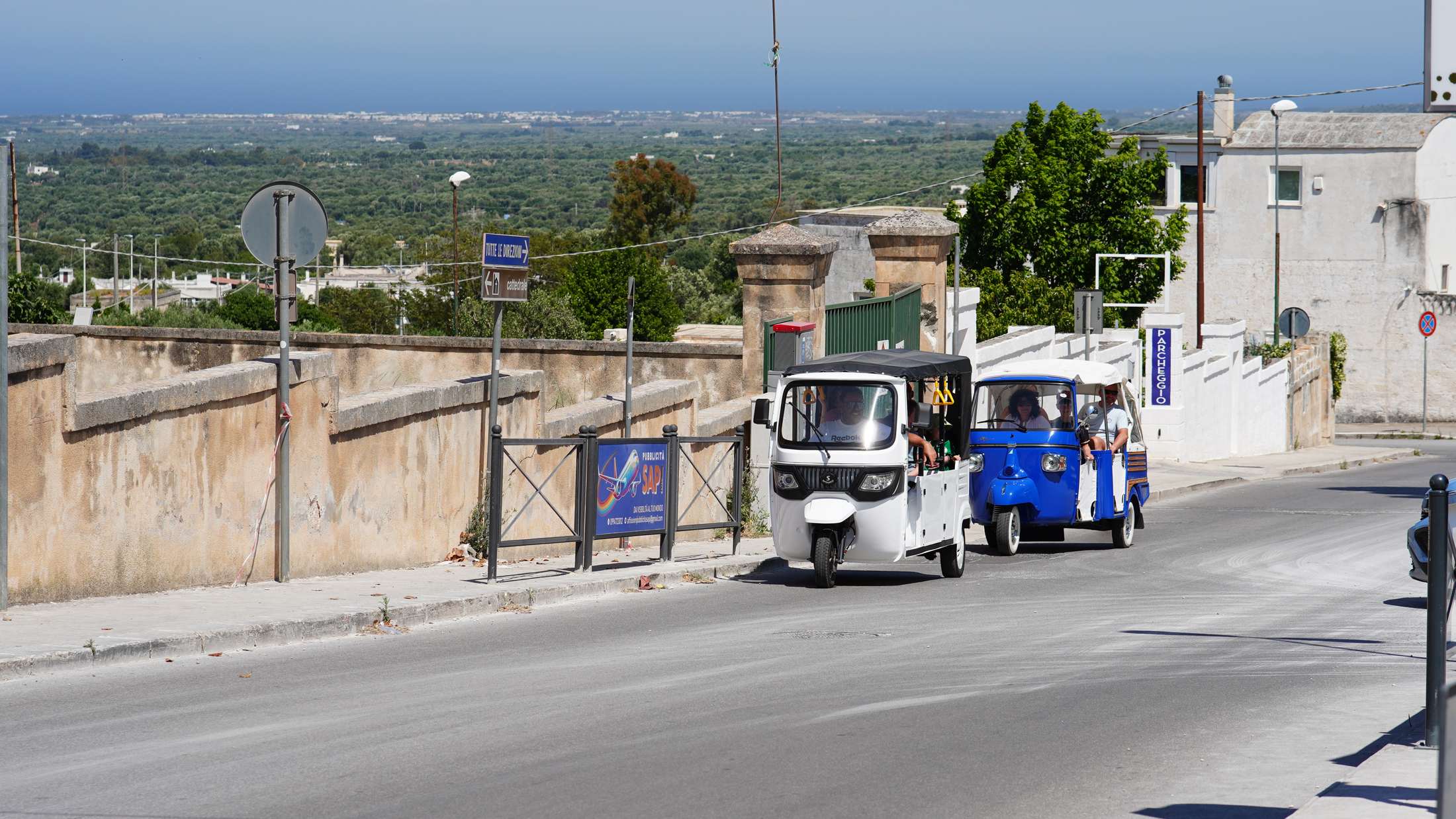
The final chapter is Ostuni, the white city on the hill. It begins with a small jewel of color in darkness, a stained-glass window glowing from inside a church. Then the photos step outside into bright lanes, overlook points, stone steps, and facades bleached by sun.
Ostuni brings together much of what the trip has been building toward: the religious architecture of Rome, the whitewashed surfaces of Polignano, the southern Italian pace of Nardo, and the hill-town drama of Puglia.
Closing
Seen in order, the trip has a clean arc: Istanbul as an opening spark, Rome as a deep historical middle, and Puglia as the long sunlit exhale. The photos move from cats and towers to temples and ruins, then finally to cliffs, trulli, piazzas, and white hill towns. It feels like a journey from density toward light: from cities layered with noise and history into towns where the sea, stone, and afternoon sun carry most of the story.